
Changing Clothes
Take a journey through the evolution of athleticwear at Bryn Mawr.
Athletics have always been an important part of Bryn Mawr's culture and education. Most women’s colleges incorporated athletics into their curriculum from their earliest years, but for reasons that today may seem surprising. Women’s colleges, including Bryn Mawr, developed their athletics programs in response to proponents of pseudo-scientific theories who claimed that the intellectual work of higher education would negatively impact women’s health.
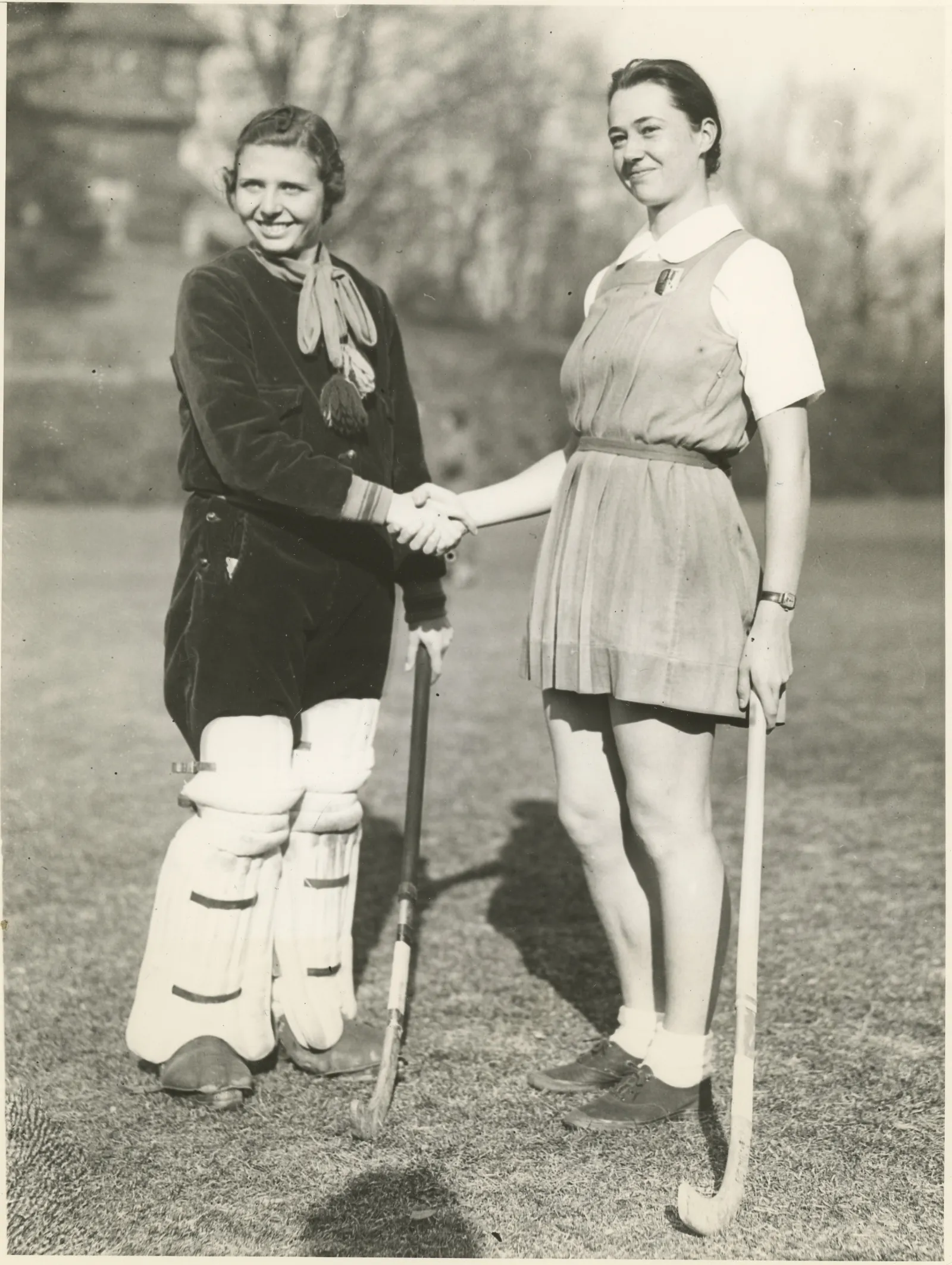
In the early years of the College, three to five periods of exercise per week were required of all undergraduate students. Exercise periods could include participation in a team sport, individual exercise, or, if you were scientifically inclined, geology expeditions.
The invention of women’s athletic attire, which was largely non-existent prior to the mid-19th century, accompanied the development of physical education. As with women’s health and higher education, there was much debate about what was appropriate for women to wear while exercising. Should they wear bloomers? A skirt? Both?
At Bryn Mawr, these questions were answered by the Athletic Association. Founded in 1891, the Association was one of the earliest forms of what is now a national organization called the Student Athlete Advisory Committee (SAAC); each school has a committee made up of athletes from all the varsity teams. Led by students in partnership with the Director of Athletics and Gymnastics, the Association sets the rules governing students’ athletic garb.
Take a journey through the evolution of athleticwear at Bryn Mawr in this summary of the College Archives’ exhibit “Changing Clothes,” which was on view at Canaday Library from Aug. 28, 2025, to March 13, 2026.
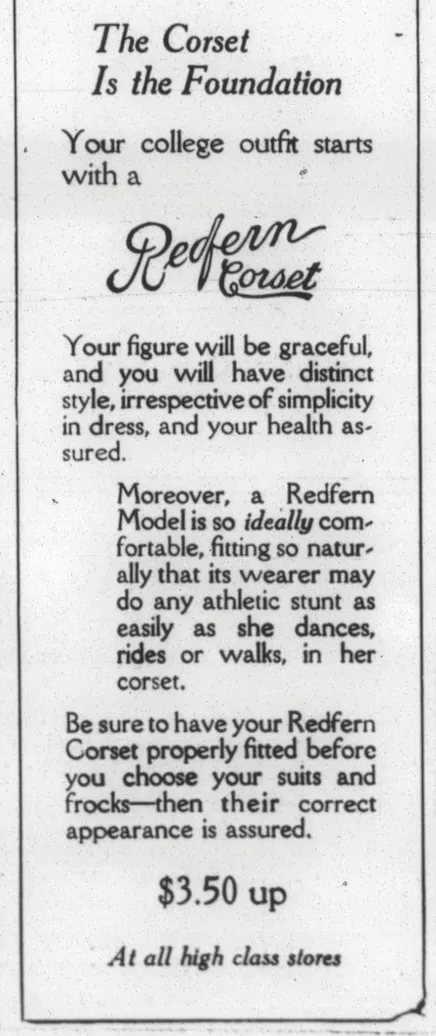
Athletic corsets were made with either cording or elastic panels rather than steel or whale boning, offering wearers a greater range of movement. However, at Bryn Mawr, the Athletic Association banned the wearing of corsets for all sports unless the wearer received permission from the Association. ➡
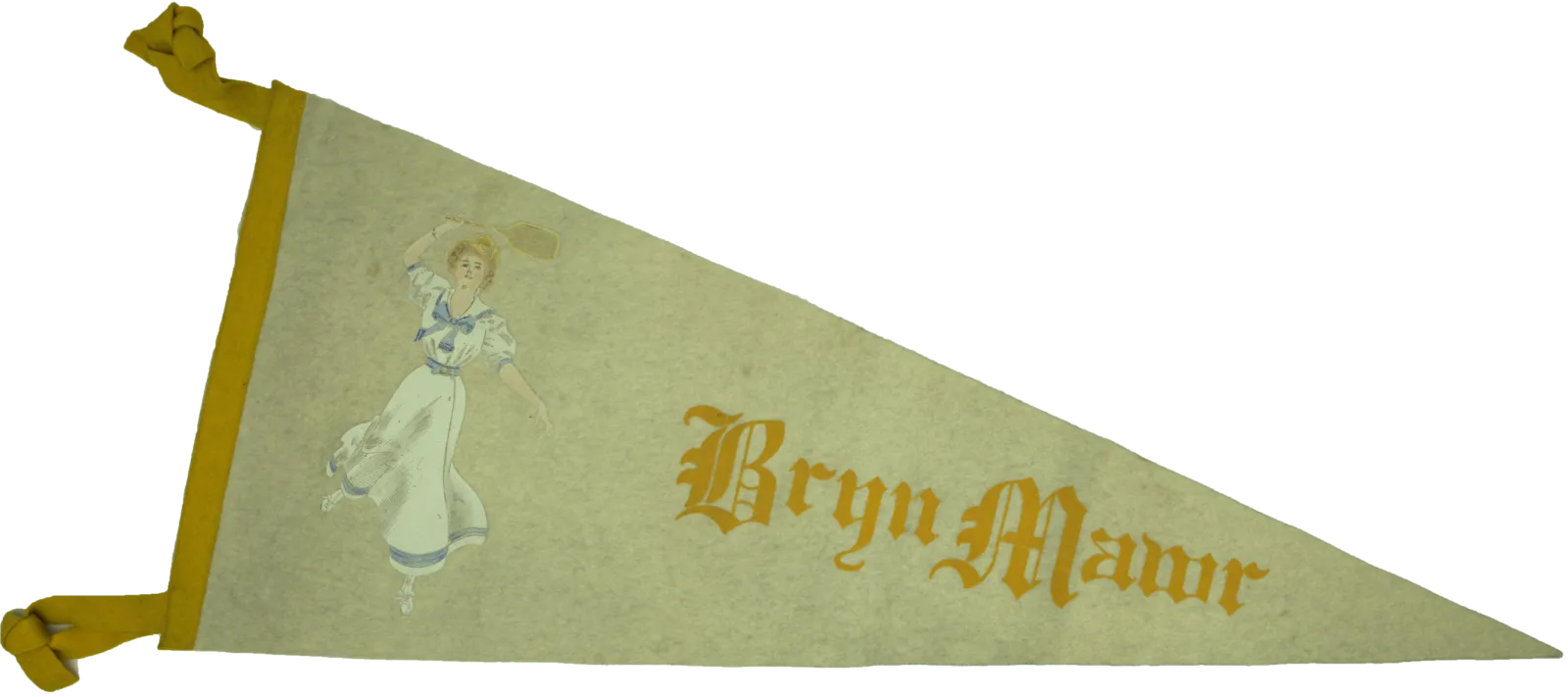
T-shirts and hats with team logos weren’t available in the early days of spectator sports. Instead, fans used pennants to express their support. This wool pennant shows a woman playing tennis, one of the first sports played at the college, in her street clothes. ⬇
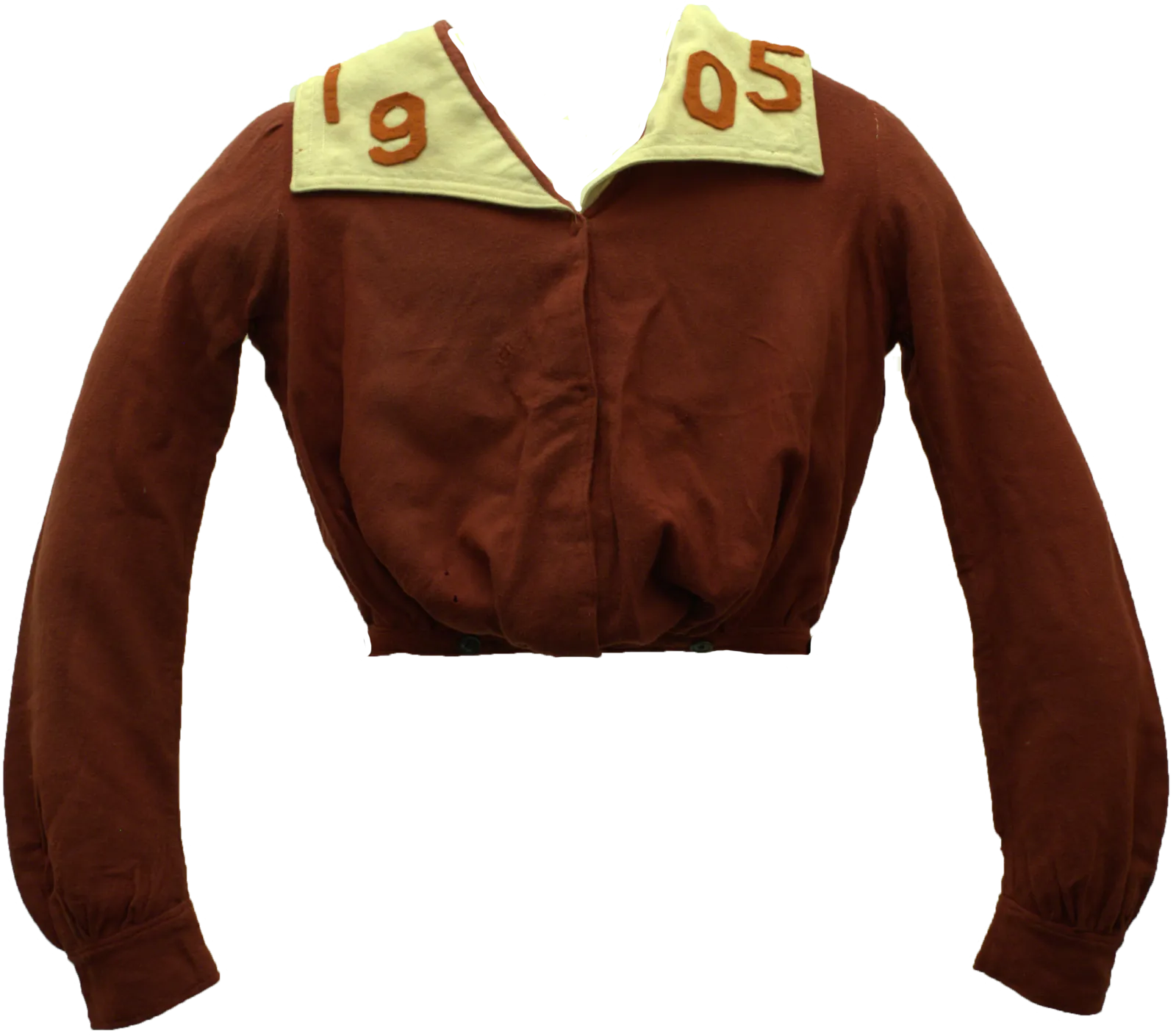
⬅ Wool blouses in class colors were part of the standard gym uniform in the early 1900s.
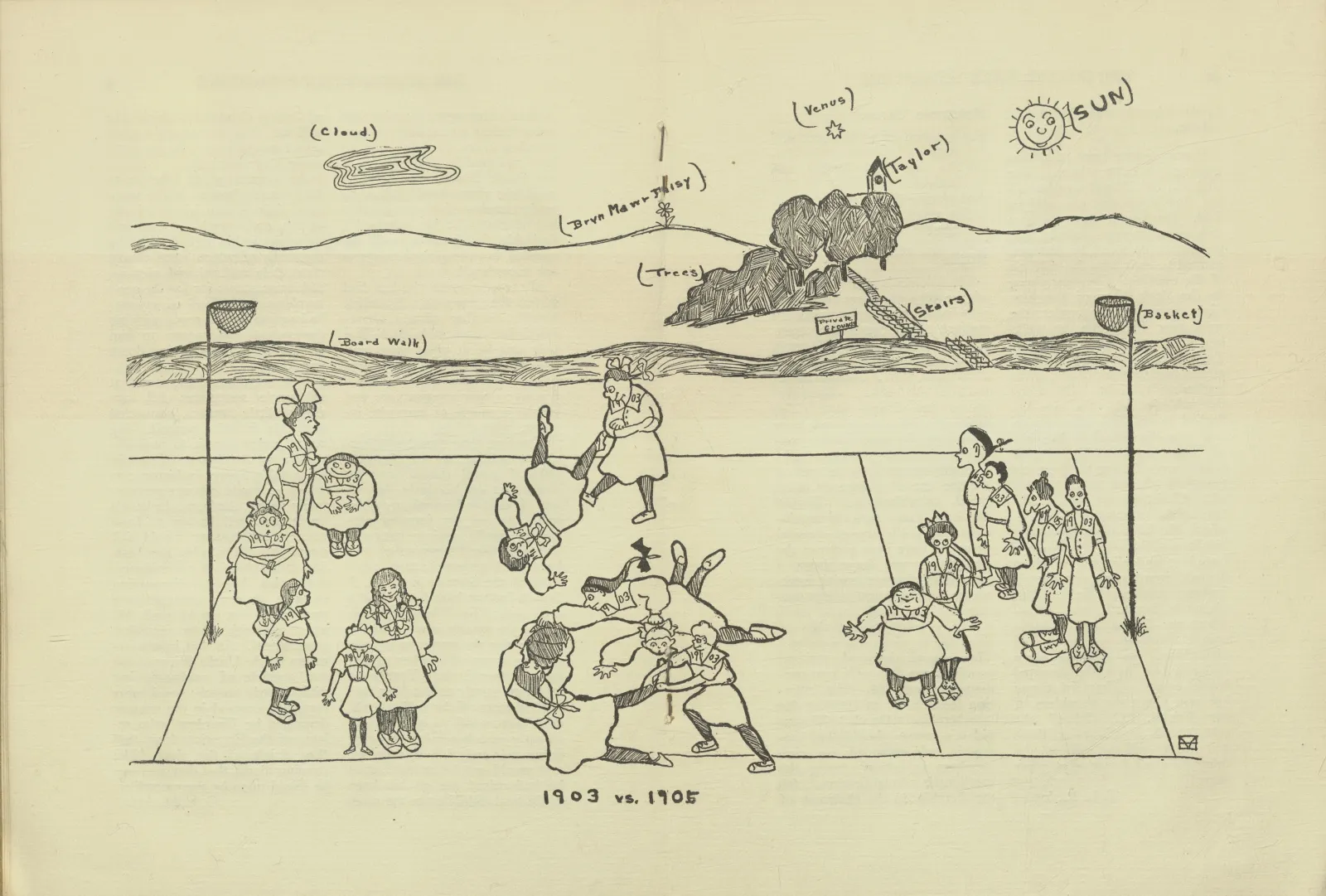
Students who were part of championship and varsity teams could wear their class year on their collars, as shown in this cartoon by Alice Meigs Orr (Class of 1905). ⬇
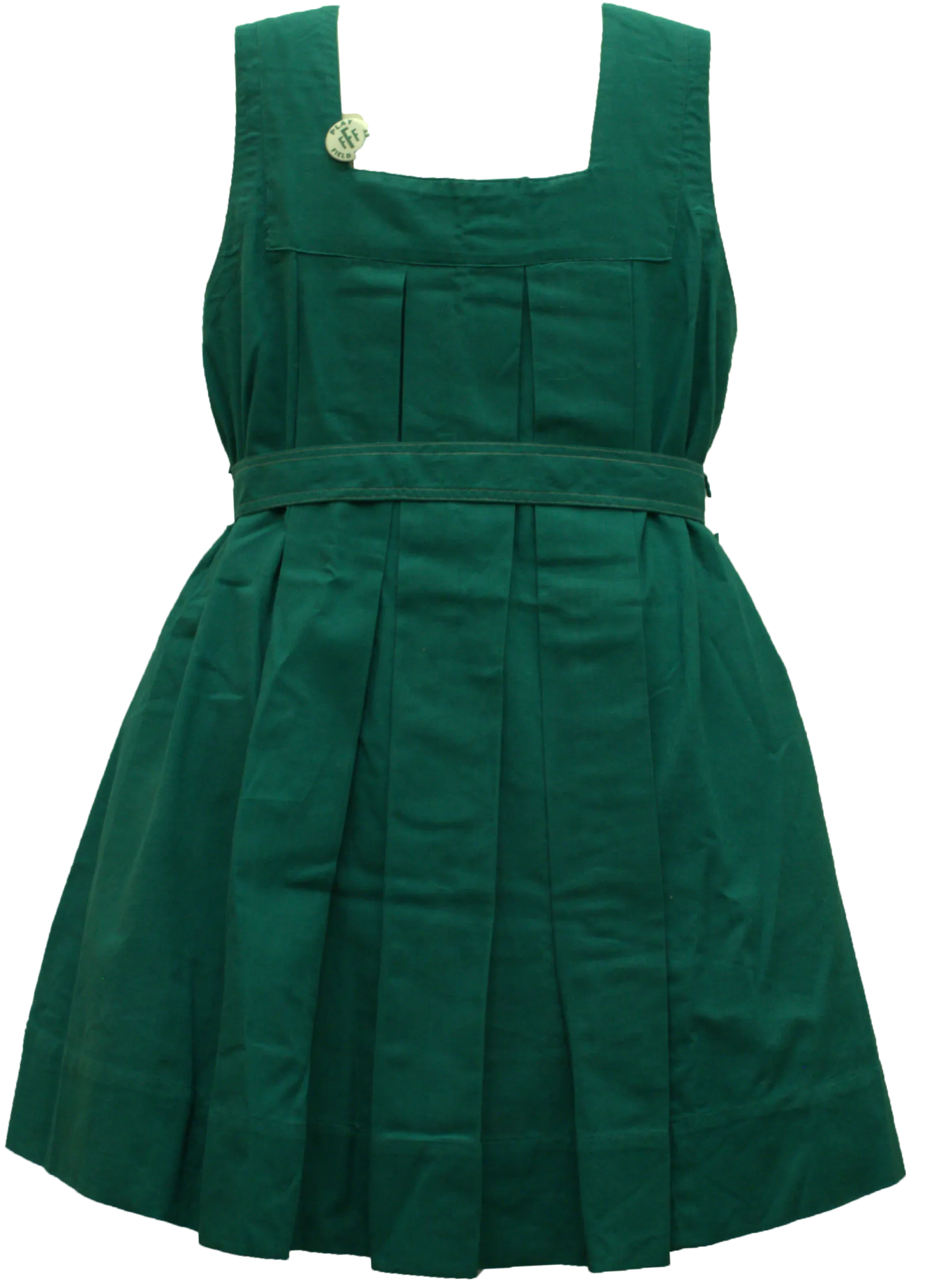
⬅ Gym clothes transitioned from blouses and skirts to tunics — sleeveless, low-necked overdresses worn over bloomers with a blouse underneath — in the late 1920s. Although this uniform is from the 1930s, similar uniforms persisted into the 1970s, when synthetic fibers improved elasticity in fabric and revolutionized athleticwear.
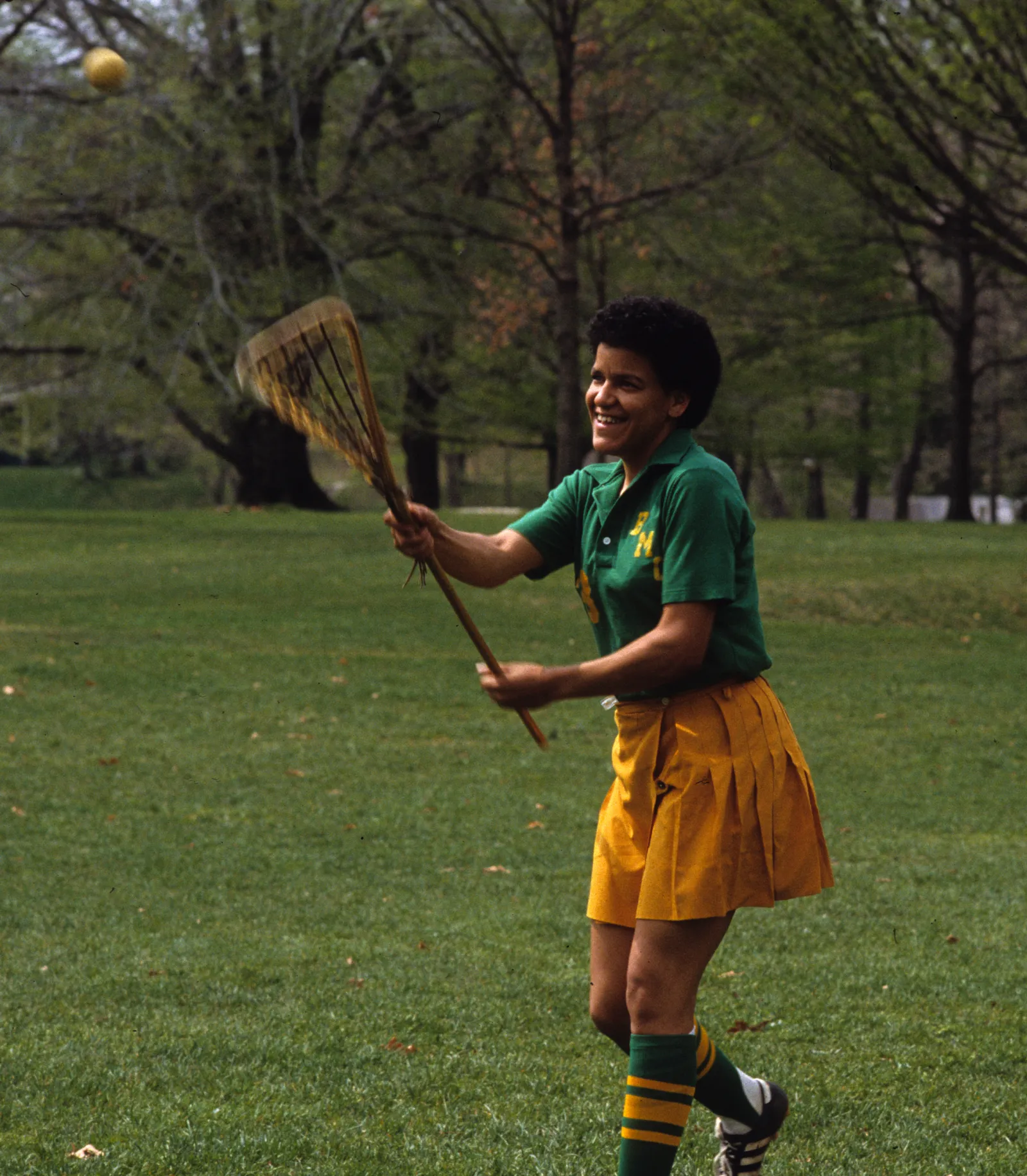
As fabrics evolved, so did uniforms—instead of tunics, blouses, and bloomers, student-athletes in the 1980s wore poly-blend polo shirts and two-in-one skorts. ⬇
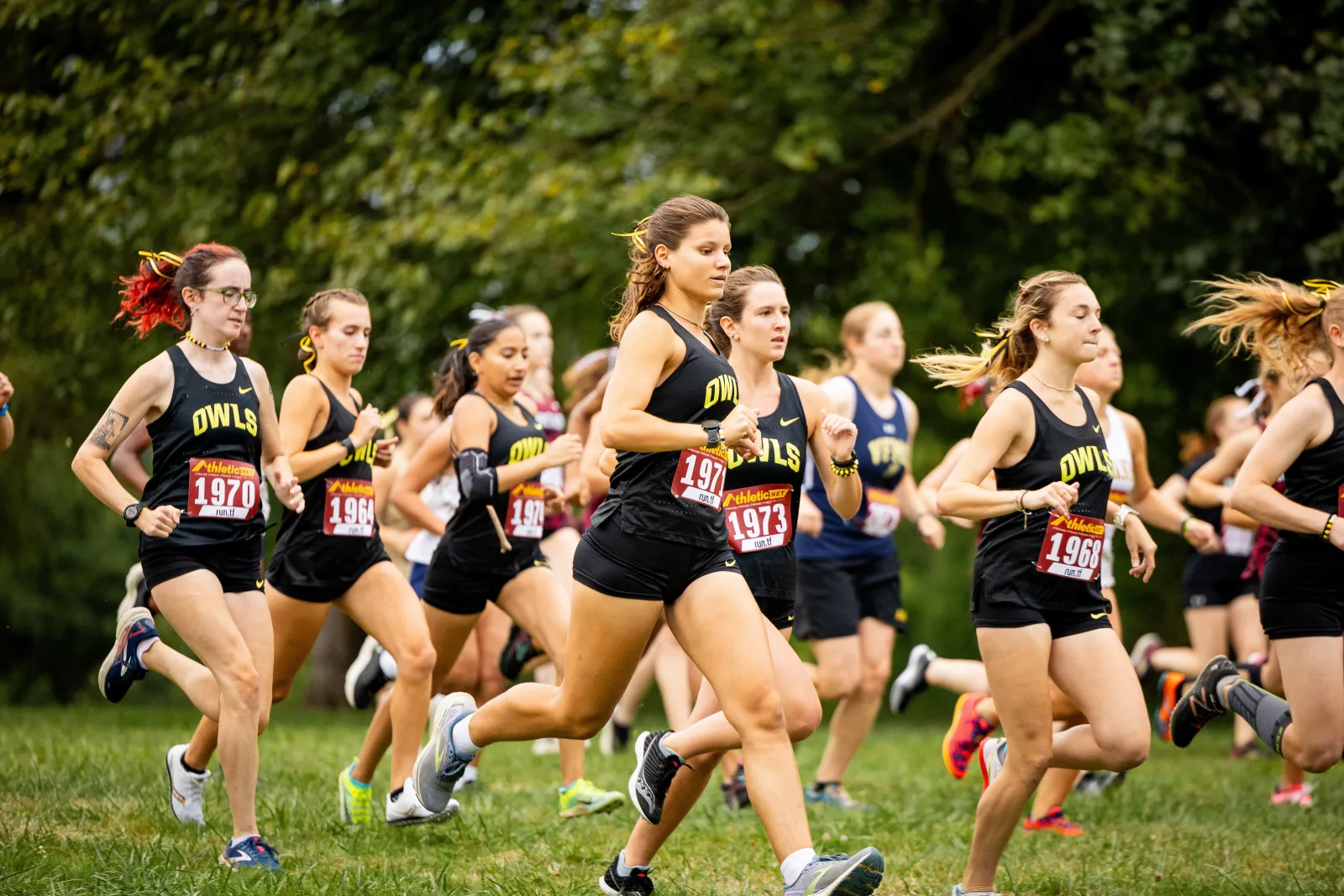
⬅ Modern athletic uniforms prioritize performance through lightweight, moisture-wicking materials that enhance comfort and mobility. Bryn Mawr teams use official yellow and black colors and approved Athletics logos, following NCAA, conference, and departmental guidelines for design elements like numbers and branding. Uniforms are updated every three to four years, and all varsity teams are currently transitioning to the newest Bryn Mawr Athletics branding for a consistent, contemporary look.
Published on: 03/04/2026