
Firsts, Front Lines, and Fearless Resolve
Annie Wright ’92 talks with Marjorie Mosier ’58 about the extraordinary path of Mosier’s life.
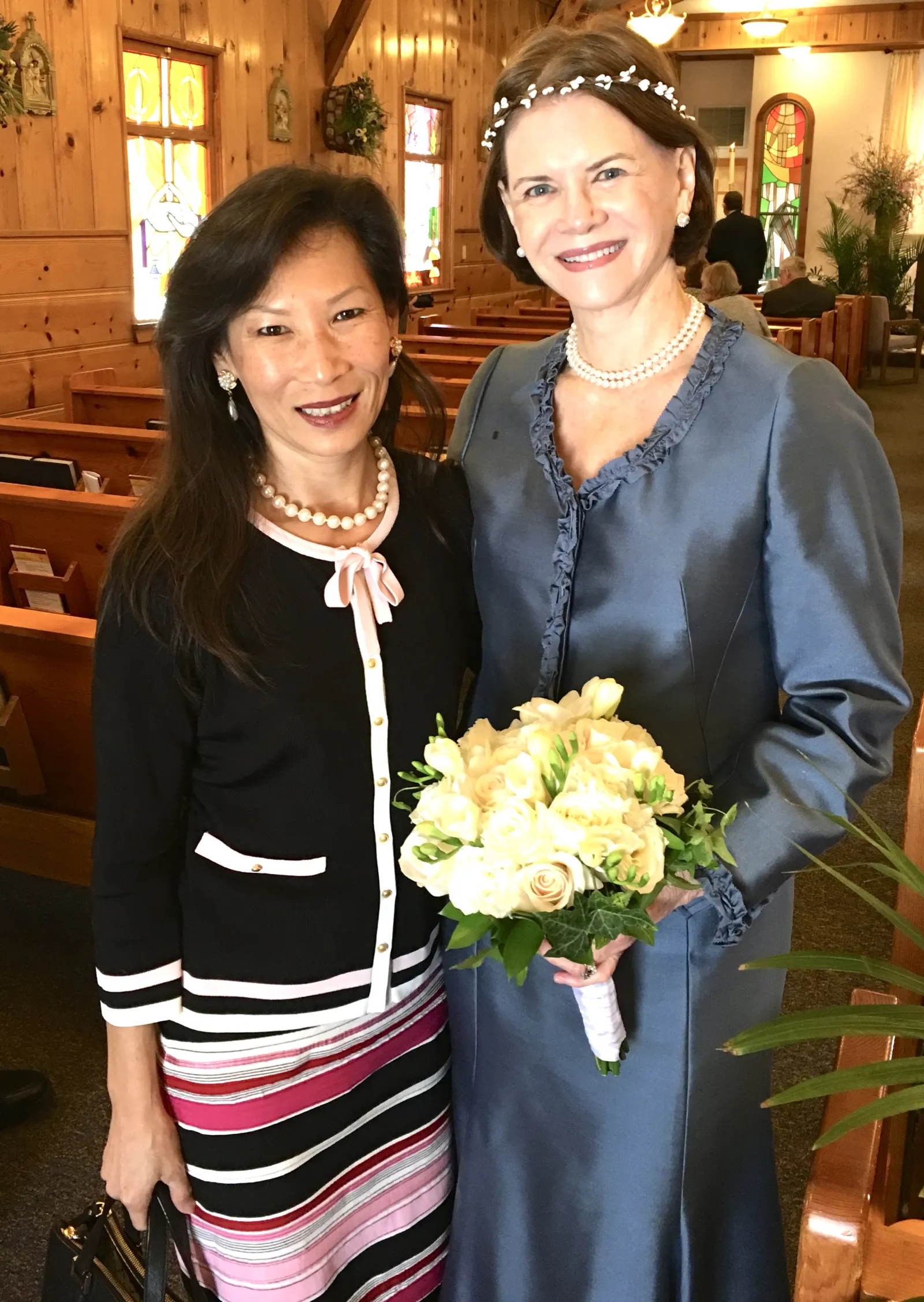
Annie Wright ’92 first became friends with Marjorie Mosier ’58 through the Bryn Mawr Club of Los Angeles, where Wright served as president. Over the course of their 30-year friendship, Wright discovered the extraordinary path of Mosier’s life and recognized that her friend’s story deserved to be preserved in her own words. Wright sat down with Mosier for a wide-ranging conversation about a life defined by firsts and fierce determination. Mosier recounts becoming the first female resident based at the UCLA Jules Stein Eye Institute, applying to be an astronaut, and taking the University of California to court over gender discrimination — twice.
Mosier also reflects on her military service as an Army physician, where she rose to the rank of colonel and served in locations such as the Solomon Islands, Sri Lanka, Kuwait, and Afghanistan, and even testified in the Guantanamo Bay trials.
What follows is an edited and condensed excerpt from that interview.
Annie Wright: Reflecting on your life, what do you consider the most rewarding part?
Marjorie Mosier: “Restoring and preserving sight. As an ophthalmologist, I performed eye surgeries, treating diabetic retinopathy, repairing retinal detachments, really anything happening behind the iris. I graduated from medical school in 1970, completed a one-year internship, then a three-year residency at UCLA’s Stein Eye Institute.
“At the time, UCLA had no women in surgical specialties, except one in general surgery, who reportedly didn’t finish the program. I was the first woman resident at the Jules Stein Eye Institute, but I was treated just like the men. My colleagues were friendly and supportive.
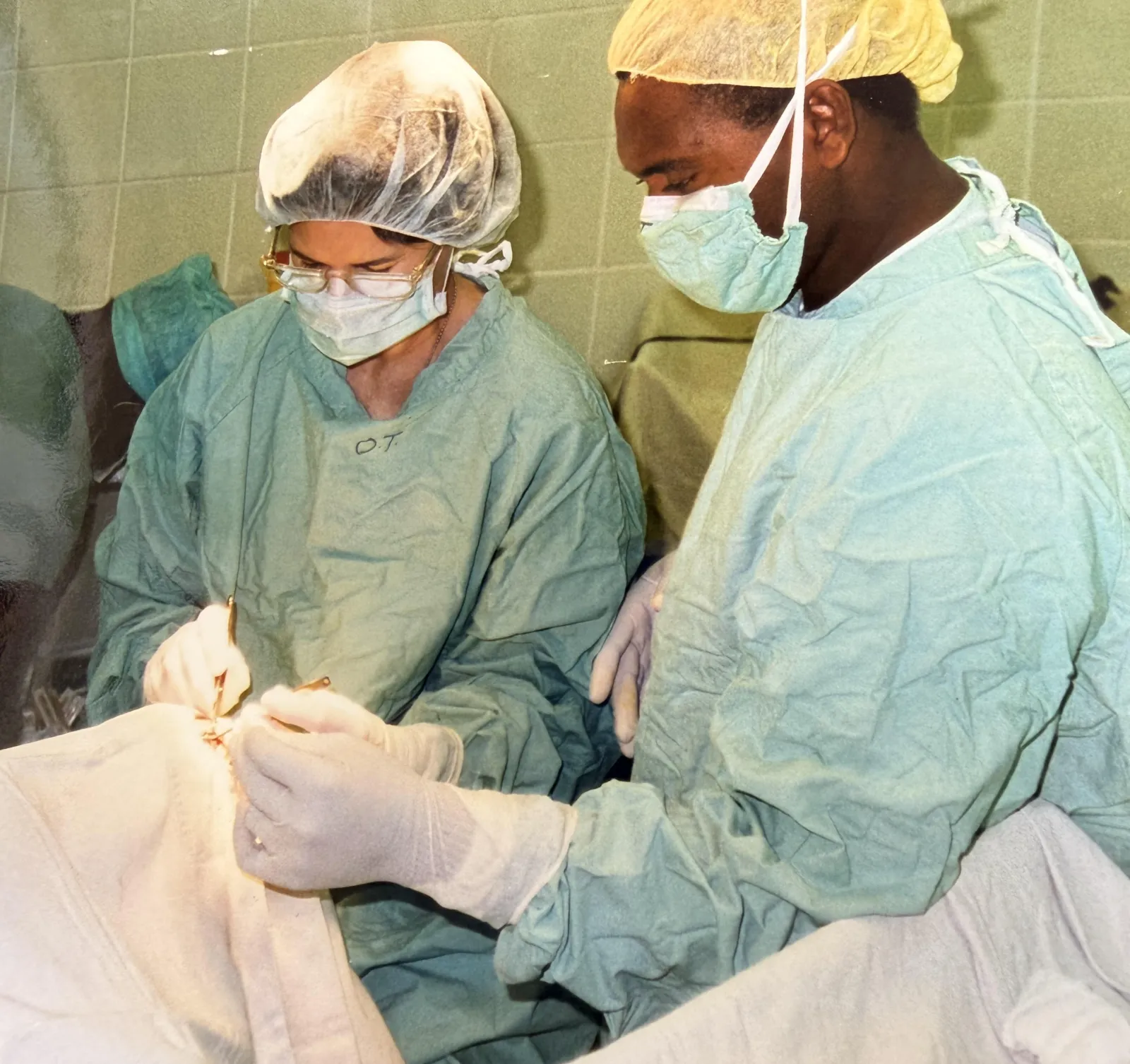
“After that, I did a neuro-medical fellowship at Johns Hopkins and then another fellowship in retina surgery at UCLA before joining the UC Irvine (UCI) faculty. Doing this while juggling family responsibilities was a challenge. I am proud of my family and our close relationships.
“Not the most meaningful, but fun: I applied to be an astronaut. In the ’70s, astronauts in space were having vision problems. I didn’t hear back for a long time. Finally, I received a letter from NASA that said, in essence, ‘We are not hiring women at this time.’
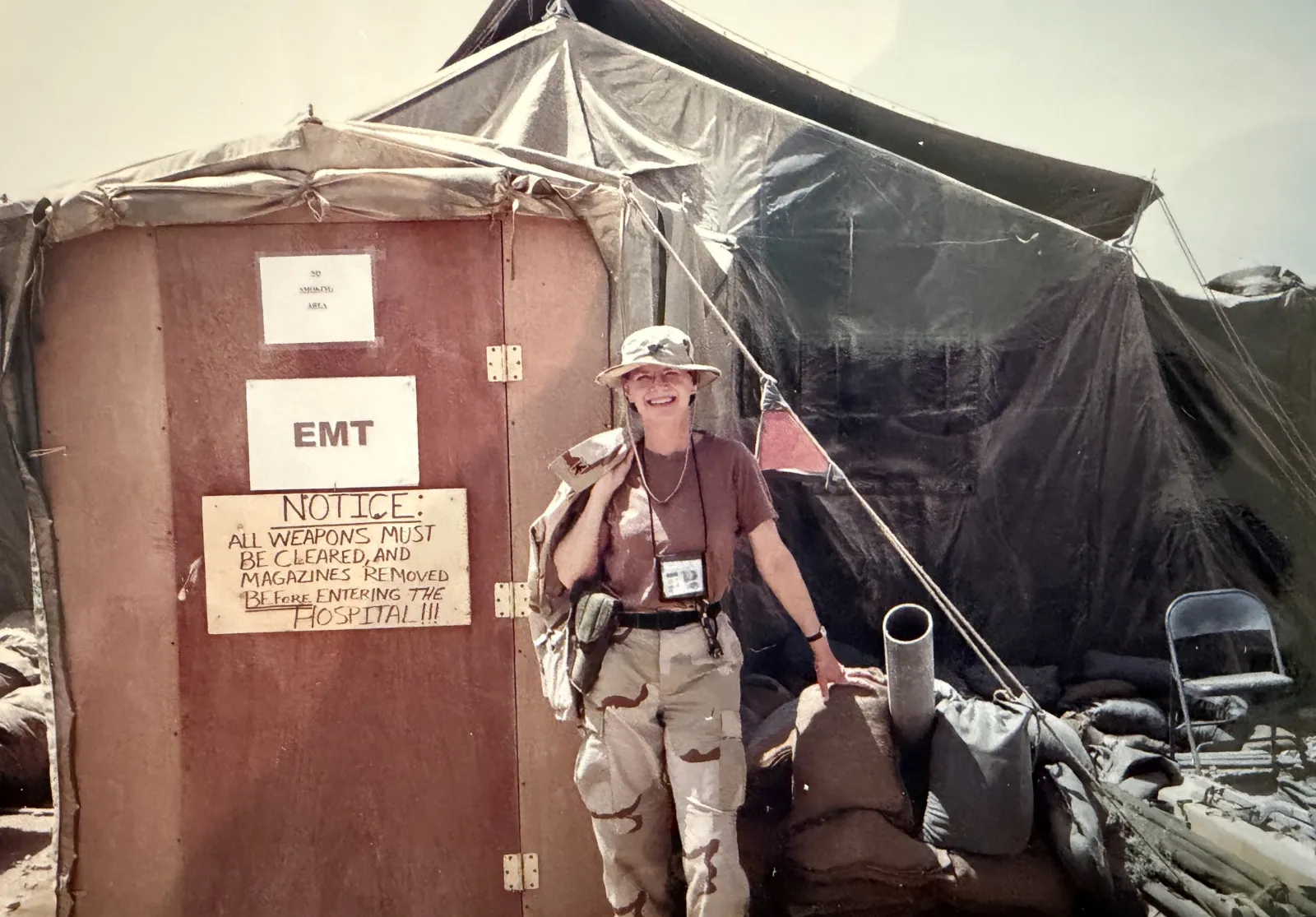
“My service in the Army, on the other hand, was wonderfully enriching. I found less gender discrimination there than in academia. One memorable patient I treated was a severely injured teenage boy in Afghanistan, later identified as a Canadian jihadi. I operated on him for five hours, fulfilling my obligation to provide life-saving care to enemy combatants under the Geneva Convention. I couldn’t save one eye, but the other survived, which I confirmed when I unexpectedly saw him again after I was called to testify years later at Guantanamo Bay. He ultimately was repatriated to Canada.
“I am proud of founding a professional organization in 1979, Women in Ophthalmology, starting with a handful of women ophthalmologists. It is now thriving, with thousands of members and voting rights in the American Academy of Ophthalmology.
“I hope a meaningful contribution was my effort to improve the treatment of women faculty at UCI. It took several lawsuits to publicize the unfairness that I saw.”
AW: Was there pay equity at UCI when you were on the faculty?
MM: “It wasn’t just about pay — it was also about promotions and tenure. Time and again, qualified women were denied tenure and often forced to leave the university. What was worse, sometimes when they applied to other institutions, UCI would quietly contact those universities and discourage them from hiring women. I found that deeply disturbing, especially since many of these women were single parents or sole providers. Losing that job meant losing everything — income, health care, retirement. I spoke with many women faculty at UCI who experienced incredibly unfair treatment and decided that I was better positioned to take UCI to court than many of them.”
AW: What gave you the confidence and resolve to sue a large university system like the University of California?
MM: “I think Bryn Mawr had a huge influence on me. It shaped my character and gave me the belief that I was just as capable as any man. I came to believe that I could do anything I set my mind to. At Bryn Mawr, we were nurtured to think that way. When we focused and worked hard, our efforts were recognized and rewarded. I entered college without much focus. I knew I wanted to go into medicine, but beyond that, I didn’t really know who I was. But I graduated feeling secure and confident. I give Bryn Mawr a lot of credit for that.”
“Be thankful for your superb education. It will change your life. Put it to good use.”
—Marjorie Mosier ’58
AW: How did you hear about Bryn Mawr?
MM: “I had a teacher in high school in Pasadena who taught human physiology. She had gone to Bryn Mawr. One day, she sat me down in the courtyard and asked what I wanted to be when I grew up. I said I wanted to be a nurse, and she said, ‘No, you want to be a doctor. And you want to go to Bryn Mawr.’ She and I stayed in touch throughout her life.”
AW: What advice would you give a student at Bryn Mawr now?
MM: “Believe in yourself, your capabilities, your strengths. If your game plan allows, join the military. The military is a brilliant way for charting your own course, and people do such interesting things there. And I’d tell college students: Be thankful for your superb education. It will change your life. Put it to good use.”
Photo captions:
Annie Wright ’92 and Marjorie Mosier ’58 at Mosier’s church wedding, 53 years after her civil marriage ceremony.
Mosier performing surgery in Guadalcanal.
Mosier in the Army
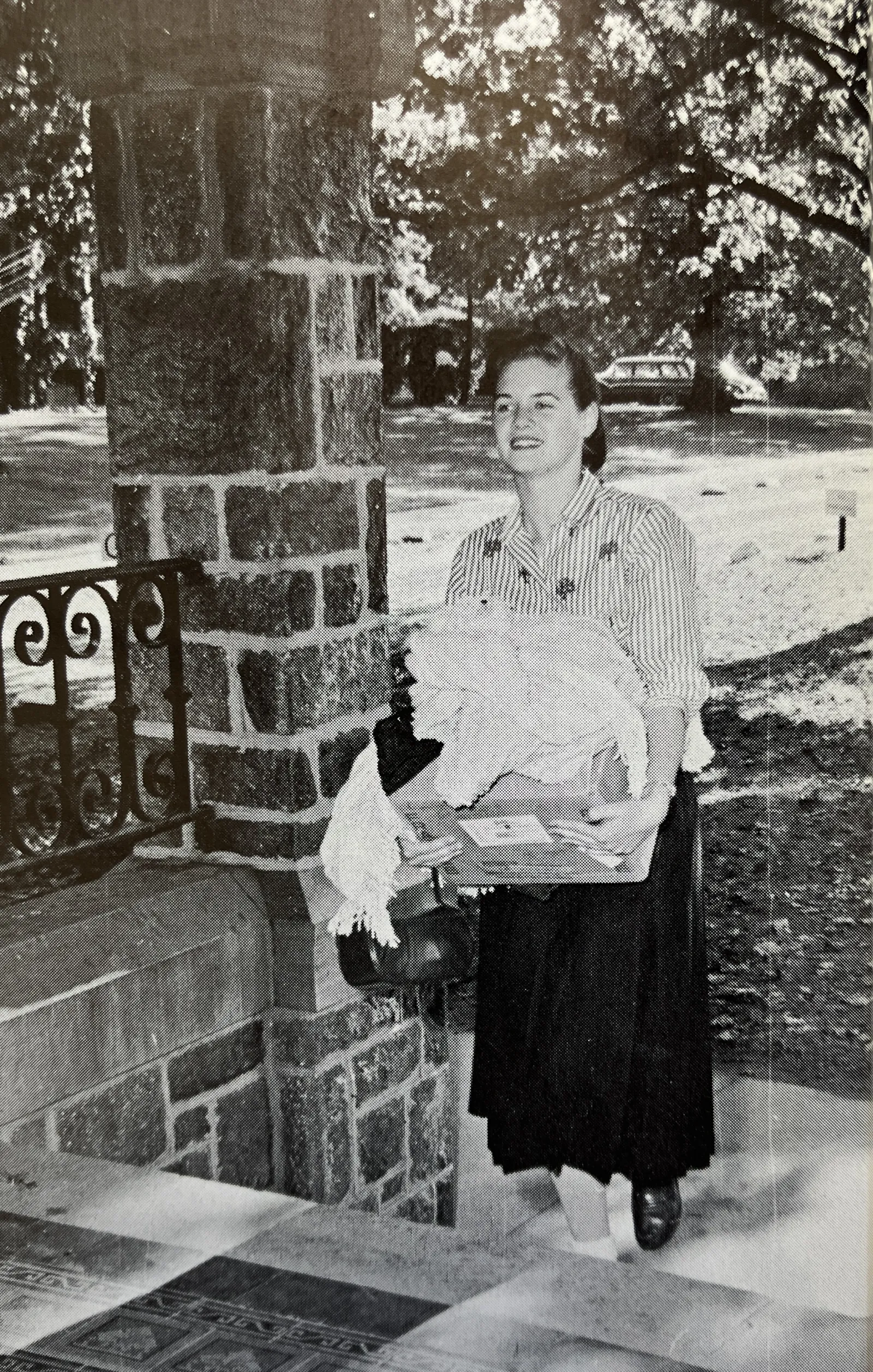
Mosier moving into Bryn Mawr, pictured in the 1958 yearbook.
Published on: 03/05/2026