
Force of Nature
As executive director of the Japantown Task Force, Emily Murase ’87 is working to preserve and promote one of the country’s last remaining Japantowns.
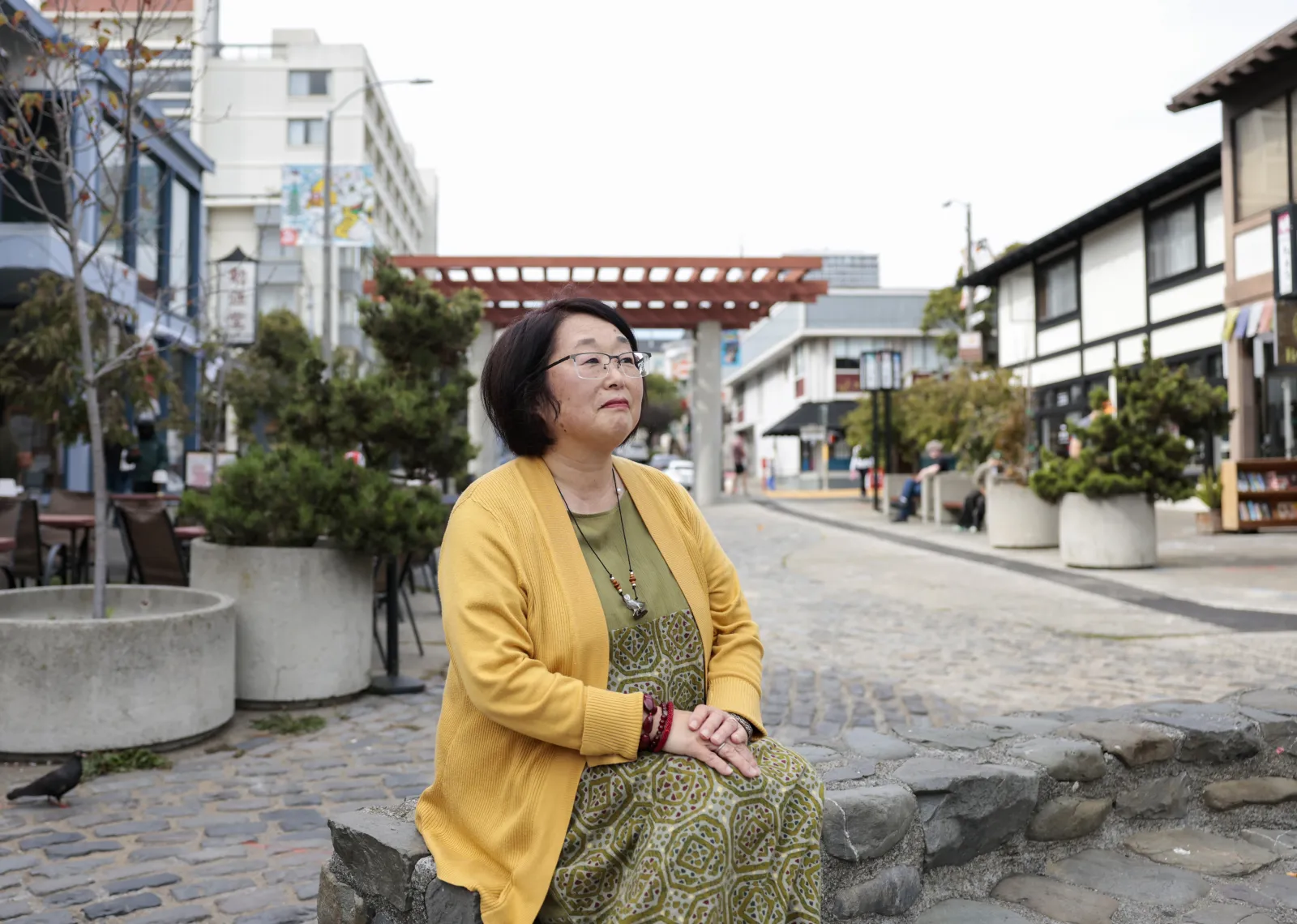
Emily Murase ’87 has spent much of her career advocating for communities and advancing public policy, but her work with the Japantown Task Force brought her back to where her own story began.
A third-generation Japanese American raised in San Francisco, Murase spent many of her childhood summers in the Japantown neighborhood. The tight-knit community provided an early sense of belonging that stayed with her as she built a wide-ranging career in public service, policy, international affairs, and advocacy.
After working with AT&T in Tokyo, the Clinton White House, the Federal Communications Commission (FCC), and the San Francisco Department on the Status of Women, Murase eventually found herself drawn back to community-based work. When the opportunity to lead the Japantown Task Force emerged five years ago, it offered a chance to bring together her experience in public service, policy, and advocacy in support of a community that had long been personally meaningful to her.
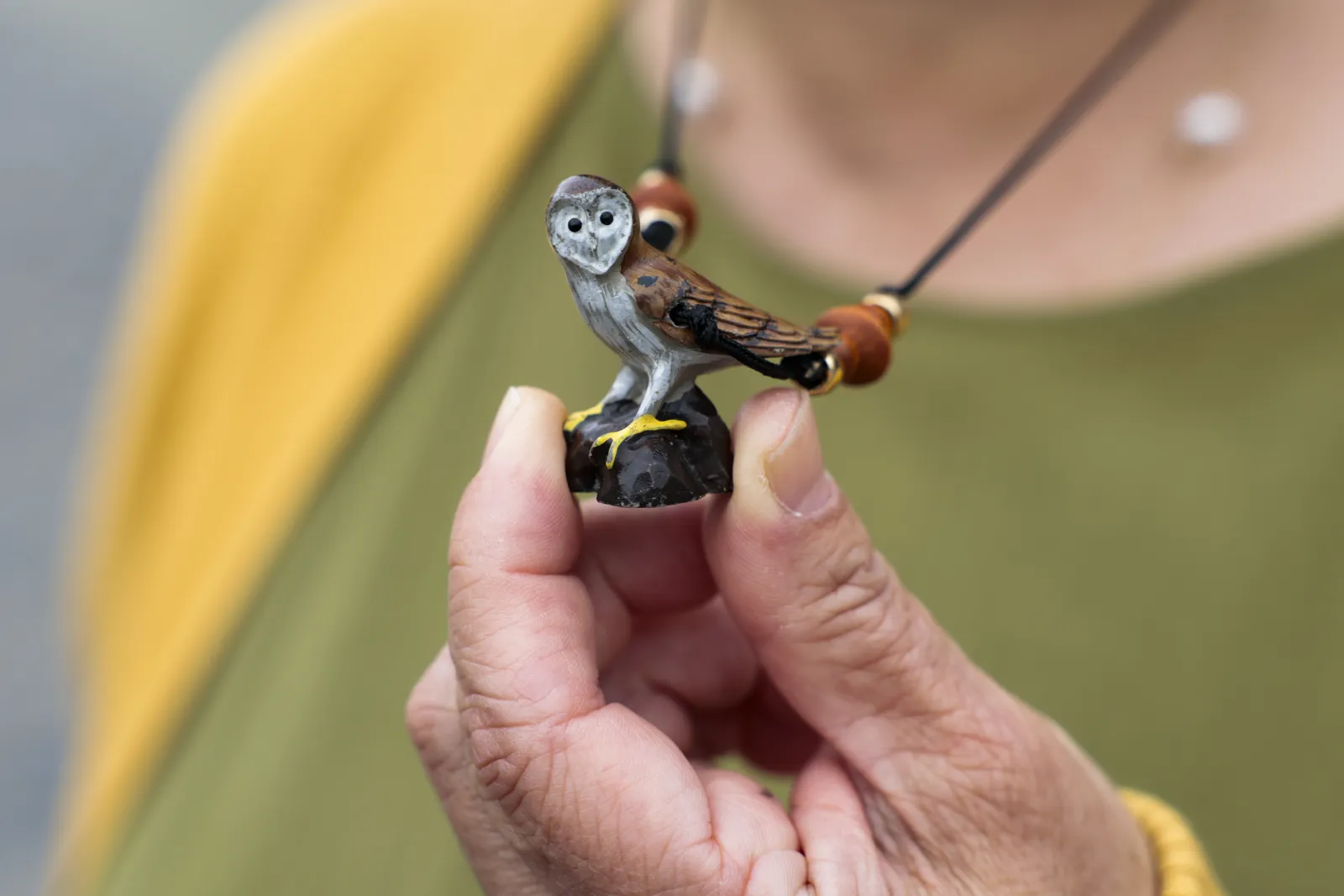
“It was really kind of a full-circle coming home,” she says. “It was a calling to fill this role.”
The Japantown Task Force, created 25 years ago, works to preserve, promote, and strengthen the largest of the nation’s three remaining Japantowns (the other two are in San Jose and Los Angeles). After joining the Task Force, Murase had to earn the trust and credibility necessary to represent a community with deep roots and a complex history going back to its creation 120 years ago in the wake of the Great Earthquake of 1906.
That history has been marked by significant disruption and displacement. “The first major disruption was the incarceration of Japanese Americans during World War II,” Murase says. “Japantown was cleared of Japanese Americans who had to sell their businesses and their homes, often for pennies on the dollar.”
Decades later, urban renewal and redevelopment eliminated hundreds of additional homes and businesses in Japantown and the neighboring Fillmore district. The destruction transformed Japantown from a thriving residential and commercial neighborhood into a community with fewer residents and less political influence.
“It was a calling to fill this role.”
“When you don’t have residents, you don’t have voters, and when you don’t have voters, you don’t have a say in what goes on in City Hall,” Murase says.
In response, Japantown developed a strong network of nonprofit organizations that continue to advocate for the community and ensure its needs are represented.
“Japantown is very, very resilient,” Murase says. “There need to be people who are committed to preserving and promoting it.”
Today, that commitment takes many forms. The Task Force partners with the City of San Francisco on major public projects, including a $33 million renovation of the Peace Plaza and Peace Pagoda, considered the heart of the neighborhood. The organization is also preparing for a $7 million renovation of Osaka Way, a pedestrian mall featuring two origami fountains designed by acclaimed Japanese American artist Ruth Asawa.
For María De Alva, San Francisco Planning liaison to the Japantown Cultural District, investments in these public spaces are about more than physical improvements. Cultural districts give communities a way of “defining, geographically, their legacy,” she says while continuing to “promote and elevate their culture.” In Japantown, spaces like the Peace Plaza provide an important gathering place for community events while continuing to draw residents and visitors into the neighborhood.
“That’s why people come to San Francisco as visitors,” De Alva says. “I think people want to see the richness, food, and culture from different parts of the world. It really is a celebration and an attempt to preserve that culture that makes San Francisco rich.”
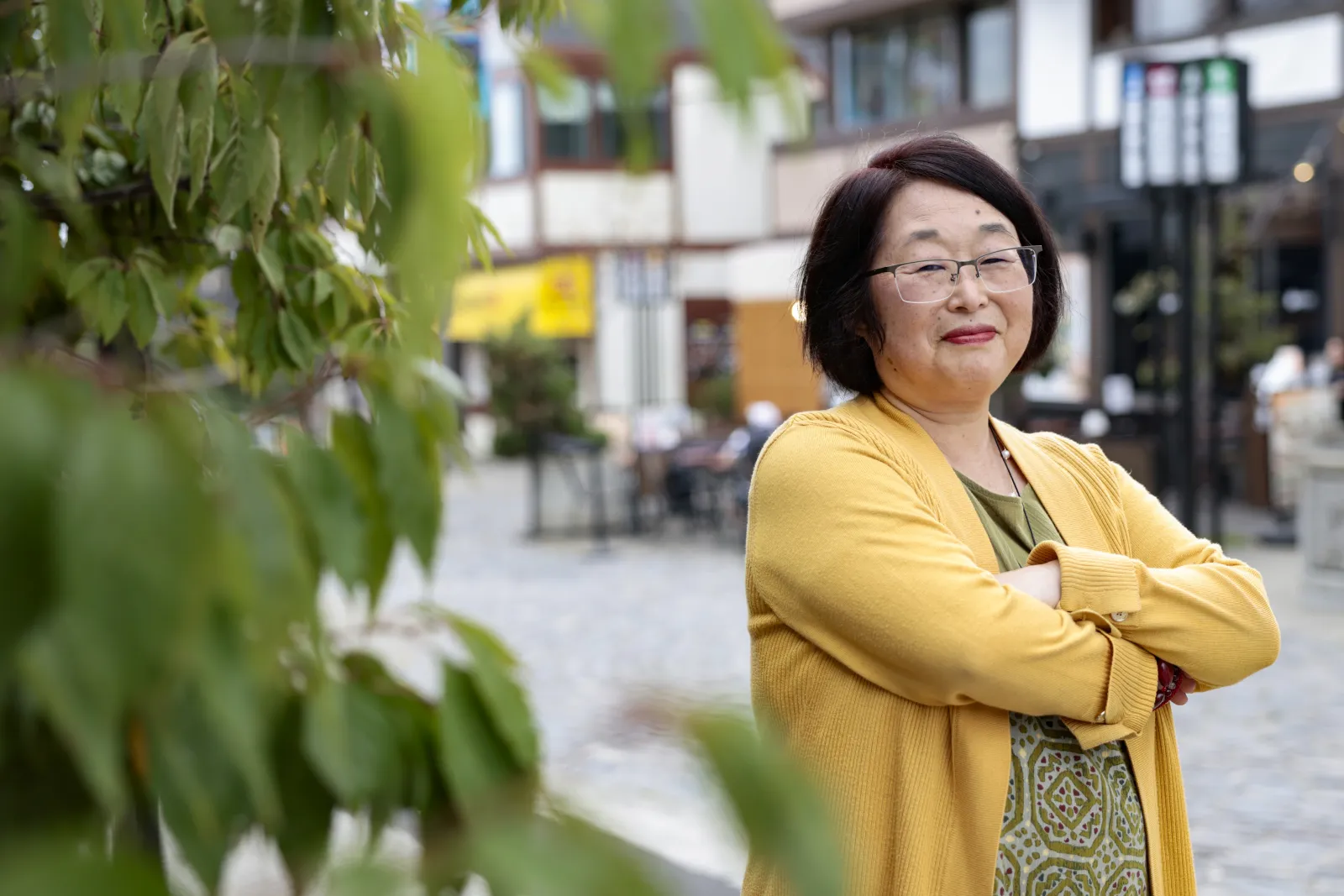
The Task Force also serves as an incubator for programs and organizations that can meet emerging community needs. Its work has helped support the creation of the Japantown Community Benefit District, which focuses on neighborhood safety and cleanliness, as well as creative and cultural initiatives designed to attract residents and visitors.
Murase also helped establish Japantown’s first visitor center in a previously vacant storefront. Rather than simply hiring employees to staff the space, she developed the Japantown Navigators Program, which combines visitor services with workforce development. Participants receive training in hospitality, communication, and Japantown history while helping visitors better understand the neighborhood. The program has included both students and older adults from a variety of racial and cultural backgrounds, reflecting Murase’s belief that Japantown’s future depends upon welcoming a broad community of supporters.
“Japantown is very, very resilient. There need to be people who are committed to preserving and promoting it.”
Those who work closely with Murase say her commitment extends well beyond any single program. “I don’t think it’s well known just how much time she puts into the work,” said Gary Barbaree, president of the Japanese American Religious Federation and a retired Methodist minister. “She just shows up.”
Lori Yamauchi, vice president of the Japantown Task Force and retired associate vice chancellor of planning at the University of California, San Francisco, describes Murase as “very clear, but collaborative” and deeply focused on the organization’s mission.
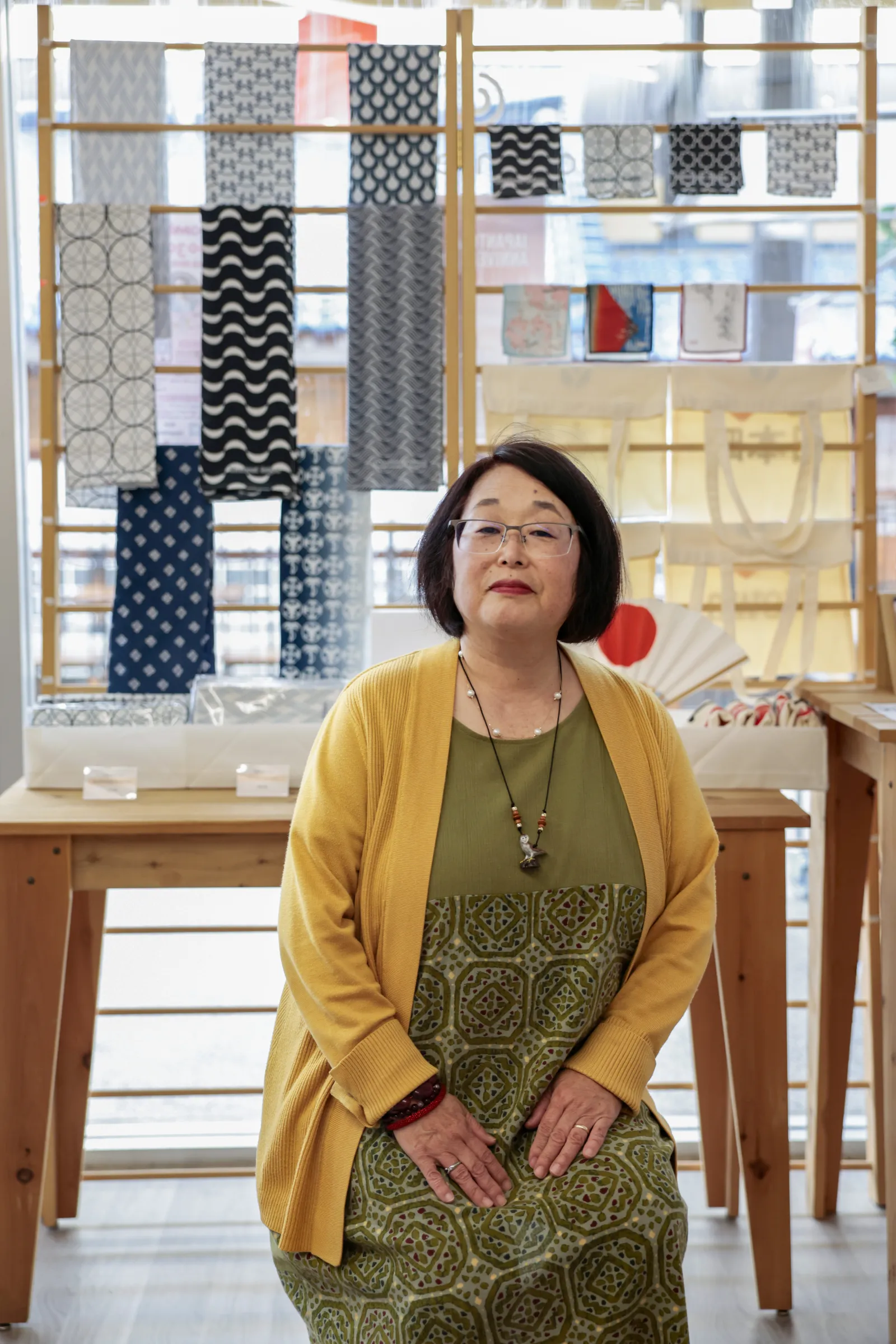
Some of the Task Force’s most consequential work is less visible. After discovering that unreliable internet service was disrupting Zoom calls, business operations, and even merchants’ credit card transactions throughout Japantown and the Fillmore district, Murase convened telecommunications providers to address the problem. Drawing upon her previous experience at AT&T and the FCC, she helped secure improved service for local merchants and advocated for stronger infrastructure to be incorporated into neighborhood construction projects.
“We kind of take up the unglamorous, behind-the-scenes issues,” she says, “but that’s one concrete example of the kind of work where we do have impact.”
Murase traces much of her advocacy to Bryn Mawr. As co-chair of the Asian Students Association, she helped move the organization to address substantive campus concerns. She also learned to question inequitable decisions, approach institutional leaders, and speak more assertively when something needed to change.
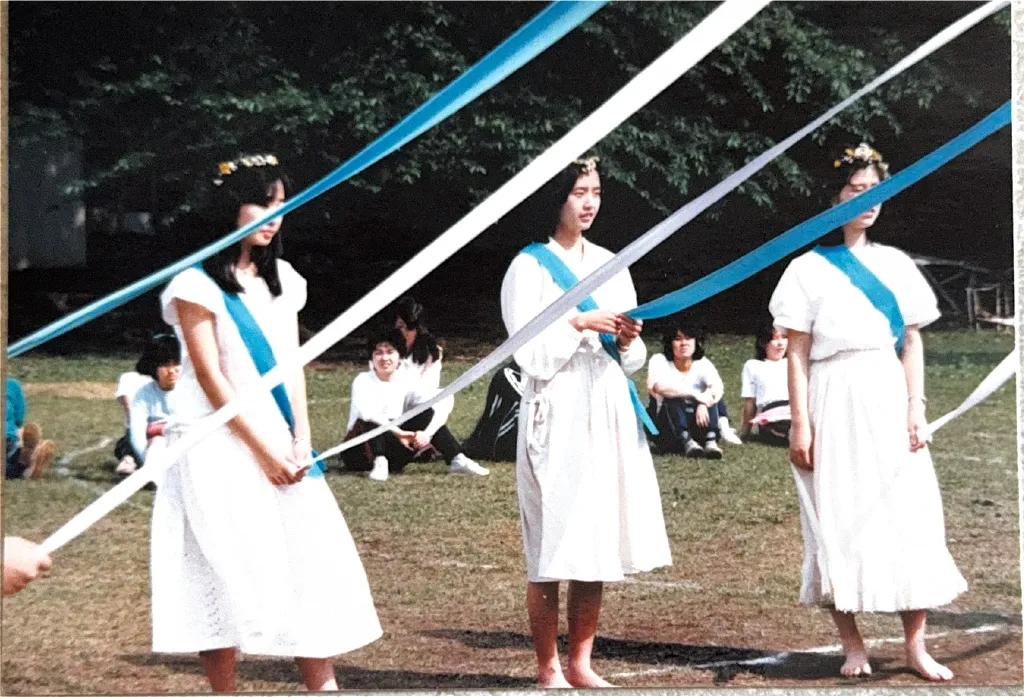
Her time at Bryn Mawr also introduced her to a much longer legacy of women’s education and international exchange. Through the College’s partnership with Tsuda University, Murase studied in Japan and encountered generations of connections between the two institutions, including Tsuda faculty who had pursued graduate study at Bryn Mawr before returning to teach. Murase also helped the university organize its first May Day celebration, complete with Maypole dances.
Decades later, these influences remain evident in her commitment to preserving Japantown, amplifying community voices, and creating opportunities for others to feel connected and empowered.
“Bryn Mawr changed the trajectory of my life,” she says. “I do not think I would be the same person had I not had those kinds of experiences.”
Her advice to others hoping to advocate for their communities is grounded in what she has learned across decades of service, which is to ask for help, build relationships, and seek out community.
“It’s impossible to do this work on your own,” Murase says.
Murase would love to see more alumnae/i explore Japantown or other historic, ethnic enclaves around the country. She says visiting a local market, museum, performance, or neighborhood organization can offer a deeper understanding of the people, histories, and cultures that have shaped a city.
“Choose one grassroots cultural activity,” Murase says, “and it will really open you up to a whole different world.”
Published on: 10/17/2026