
Project Leadership

Feyza Akova
Postdoctoral Research Fellow, Special Projects
President's Office, Bryn Mawr College
Feyza Akova completed her PhD in Sociology at the University of Notre Dame in May 2025. Her research examines American converts to Sufi Islam, offering insights into the relationship between spirituality, formal faith, and intentional social change. She has published in Sociology of Religion and the Routledge Handbook of Islamic Ritual and Practice. Feyza received several awards for both research and teaching, including the John J. Kane Memorial Award for Outstanding Graduate Student from Notre Dame’s Department of Sociology and the Excellence in Teaching Award from the Midwestern Association of Graduate Schools, which recognizes the outstanding graduate instructor across universities in the Midwest.
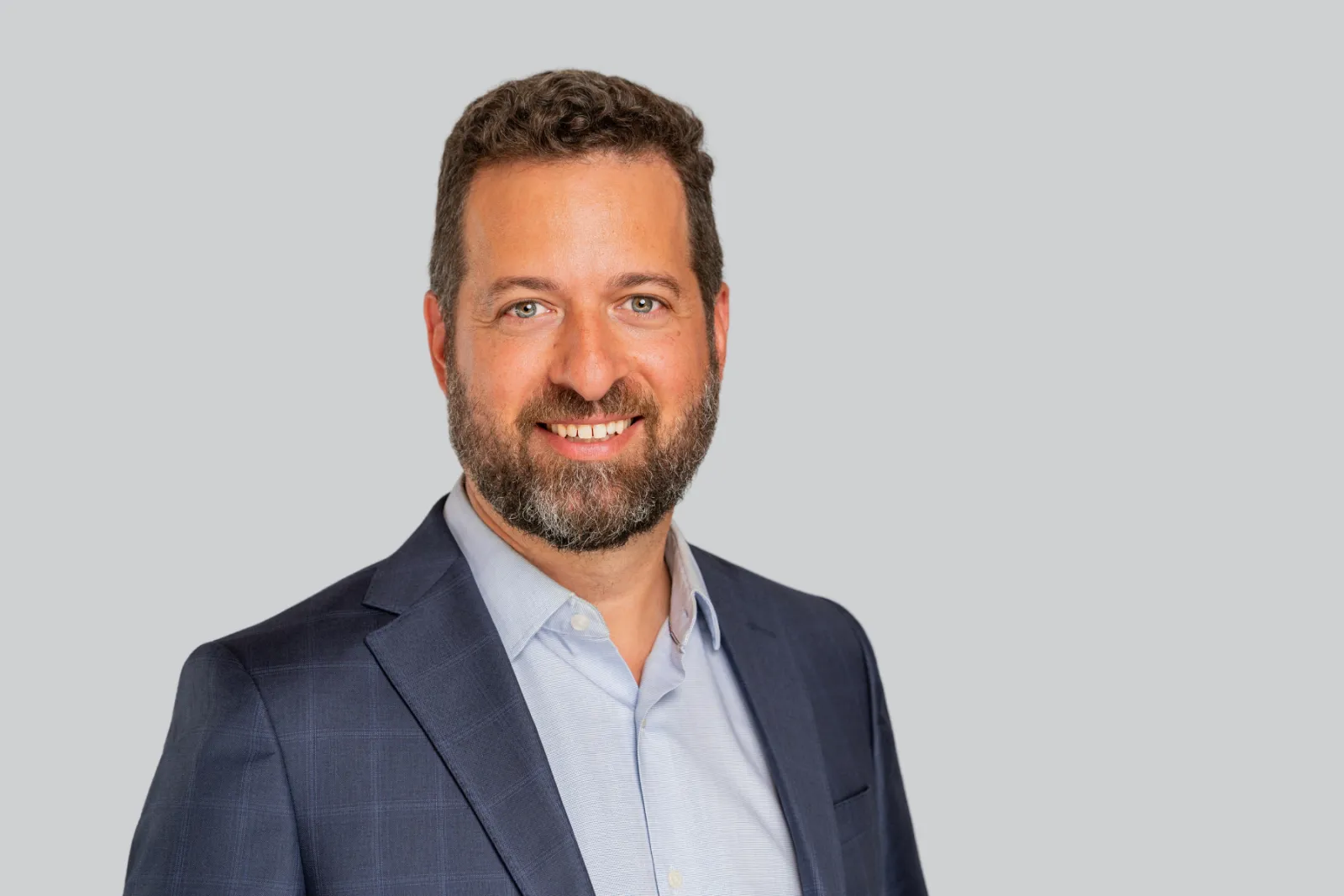
Jonathan Anjaria
Professor of Anthropology
Brandeis University Graduate School of Arts & Sciences
Professor Anjaria teaches Introduction to the Comparative Study of Human Societies, as well as courses in Urban Studies, Ethnographic Research Methods, Applied Anthropology, Sports and Society and the Culture and Politics of India and Pakistan. His research has focused on mobility, sustainable transportation, the politics of public space and new food systems in India. He is the author of two books, including Mumbai on Two Wheels: Cycling, Urban Space and Sustainable Mobility and The Slow Boil: Street Food, Rights and Public Space in Mumbai. His writings have appeared in a variety of publications, including American Ethnologist, Scroll.in, South Asia: Journal of South Asian Studies, and City and Community, among others. He has also received major grants from the National Science Foundation, the Templeton Foundation and the American Institute of Indian Studies.
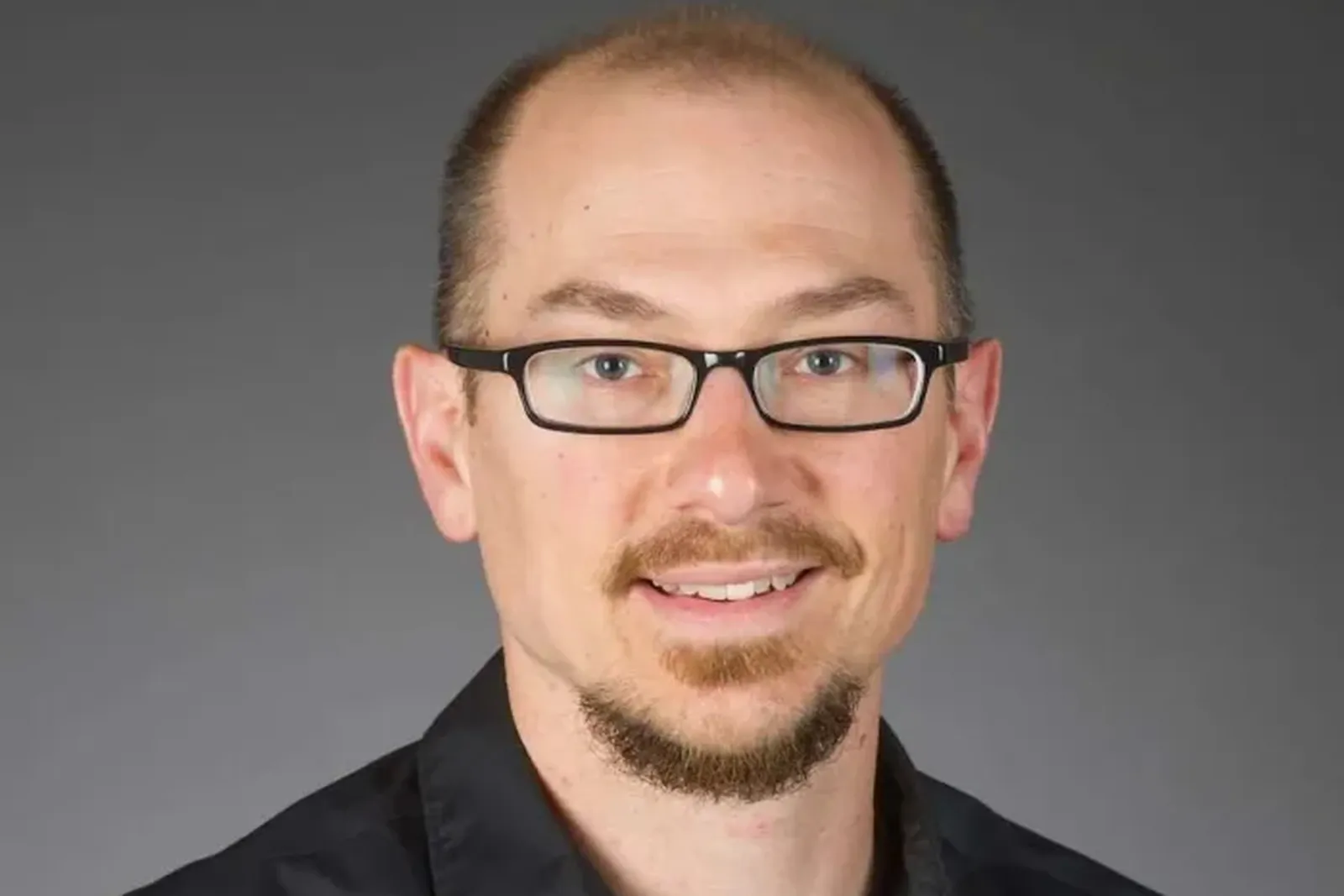
Kraig Beyerlein
Associate Professor; Director, Center for the Study of Religion and Society
University of Notre Dame
Kraig Beyerlein is an Associate Professor in the Department of Sociology and the Director of the Center for the Study of Religion and Society at the University of Notre Dame. He is also a faculty affiliate at the Center for the Study of Social Movements, a faculty fellow at the Kroc Institute for International Peace Studies, and a faculty fellow at the Institute for Latino Studies. Kraig received his Ph.D. from the University of North Carolina at Chapel Hill and was a faculty member in the Sociology Department at the University of Arizona before coming to Notre Dame. His research and teaching focuses on the intersection of religion and collective action, especially civic engagement and protest activity. Kraig has a particular interest in the role of faith in mobilizing progressive social activism, such as immigrant rights and the recent Women’s March. Published articles on these and related topics appear in the American Sociological Review, Journal for the Scientific Study of Religion, Mobilization, Poetics, Politics and Religion, Social Forces, Social Problems, Social Science Research, Sociological Methods and Research, and Sociology of Religion. He is currently finishing a book manuscript on the causes and consequences of faith-based mobilizing to save lives along the Arizona-Sonora border. Kraig is the current chair of the American Sociological Association’s Altruism, Morality, and Solidarity section (for which he served as elected council member before) and current elected council member for the Association for the Sociology of Religion. He has also served as an elected council member for the American Sociological Association’s Religion section as well as the Society for the Scientific Study of Religion. Kraig is currently on the editorial boards of the American Sociological Review, Social Science Research, Journal for the Scientific Study of Religion, and Sociology of Religion. Various internal and external grants, including those from the Lilly Endowment, Inc., Louisville Institute, Spencer Foundation, and the National Science Foundation have supported Kraig’s research over the years.
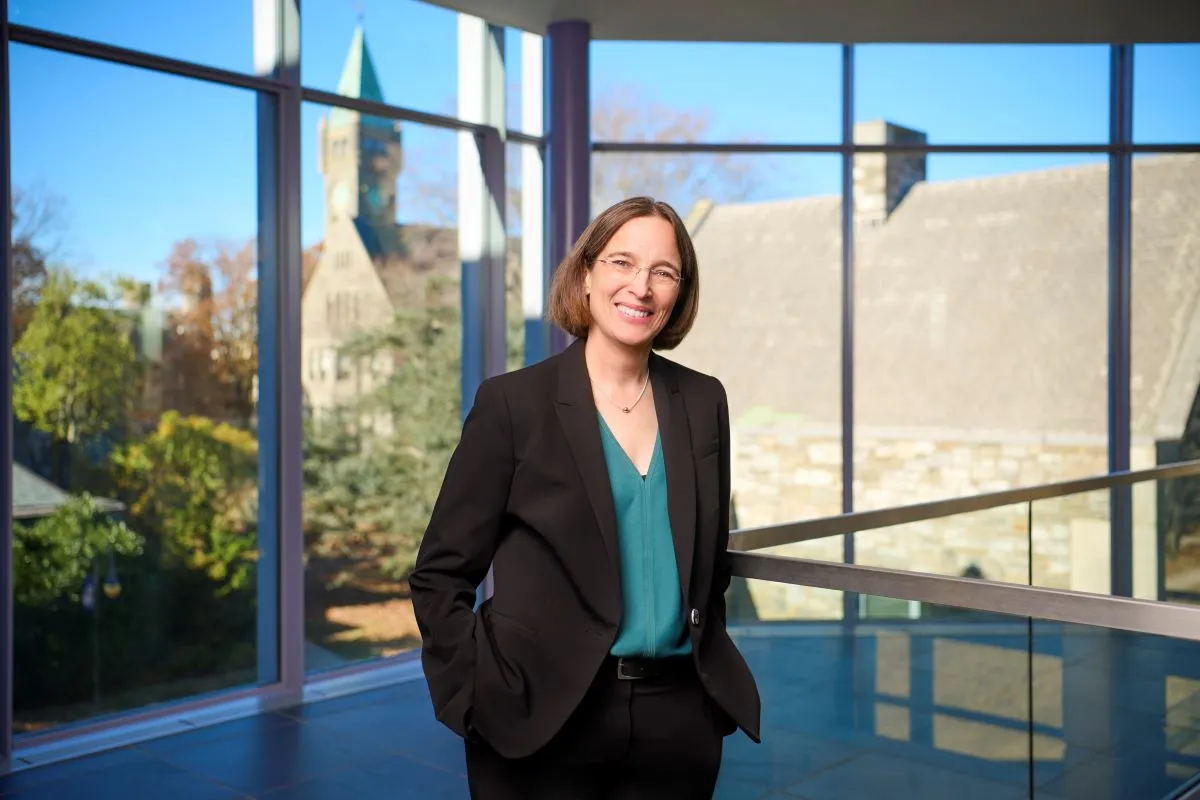
Wendy Cadge
President and Professor of Sociology
Bryn Mawr College
Wendy Cadge, a nationally renowned expert in contemporary American spirituality and religion, is the 10th president of Bryn Mawr College. She is leading two key initiatives focused on advancing the College’s mission and broadening its reach: developing a forward-thinking strategic vision and creating a comprehensive campus plan for the physical campus.
A sociologist by training, President Cadge is known for her work on religion in public institutions, religious diversity, and pluralism, and as a highly respected educator, scholar, and administrator.
As a public intellectual, she has written more than one hundred scholarly and general interest articles, many in collaboration with students and colleagues across disciplines, and four books on issues related to spiritual care across settings, religion in hospitals, port chaplaincy, and Buddhism in the United States. Cadge launched the Chaplaincy Innovation Lab in 2018 to bring chaplains, educators, and social scientists into conversation about the work of chaplaincy and spiritual care.
Numerous foundations and trusts have supported her research and teaching, including the E. Rhodes and Leona B. Carpenter Foundation, Fetzer Institute, Henry Luce Foundation, John Templeton Foundation, Lovell Foundation, Radcliffe Institute, Robert Wood Johnson Foundation Scholar in Health Policy Research Program, Ruderman Family Foundation, Russell Berrie Foundation, Templeton Religion Trust, and The Charles H. Revson Foundation.
Cadge is a member of the American Sociological Association (ASA), the American Academy of Religion (AAR), and the Society for the Scientific Study of Religion (SSSR). She is a founder and past chair of the Innovations in Chaplaincy and Spiritual Care Program Unit of the AAR. She is a previous chair of the Religion Section and the Committee on Professional Ethics of the ASA.
Her published books include Spiritual Care: The Everyday Work of Chaplains (Oxford University Press, 2023), Paging God: Religion in the Halls of Medicine (University of Chicago Press, 2012), and Heartwood: The First Generation of Theravada Buddhism in America (University of Chicago Press, 2005). She is co-editor of Introduction to Chaplaincy and Spiritual Care (University of North Carolina Press, 2022) and Religion on the Edge: De-Centering and Re-centering the Sociology of Religion (Oxford University Press, 2013). With colleagues, she also authored Chaplaincy and Seafarers: Faith at Work (Oxford University Press, 2024).
At Brandeis University, Cadge held various leadership positions, including dean of the Graduate School of Arts and Sciences, senior associate dean for strategic initiatives, and chair of the Women’s, Gender, and Sexuality program. Her achievements there included centering the graduate student experience by rebuilding and expanding student professional development, collaborating to extend degree programs into new modalities, advancing the graduate school’s anti-racism plan, and reconnecting current students and alumni to celebrate the school’s 70th anniversary. She received the Thomas A. King Faculty Award from the Gender & Sexuality Center, the Dean of Art and Sciences Mentoring Award for Outstanding Teaching of Students in the Graduate School of Arts and Sciences, and the Michael Walzer '56 Award for Excellence in Teaching. She served on the Bowdoin College faculty from 2003-2006.
She received her bachelor’s degree with high honors and majors in Sociology and Anthropology, and Religion, from Swarthmore College, her master’s and Ph.D. from Princeton University, and completed two years of postdoctoral work at Harvard University.
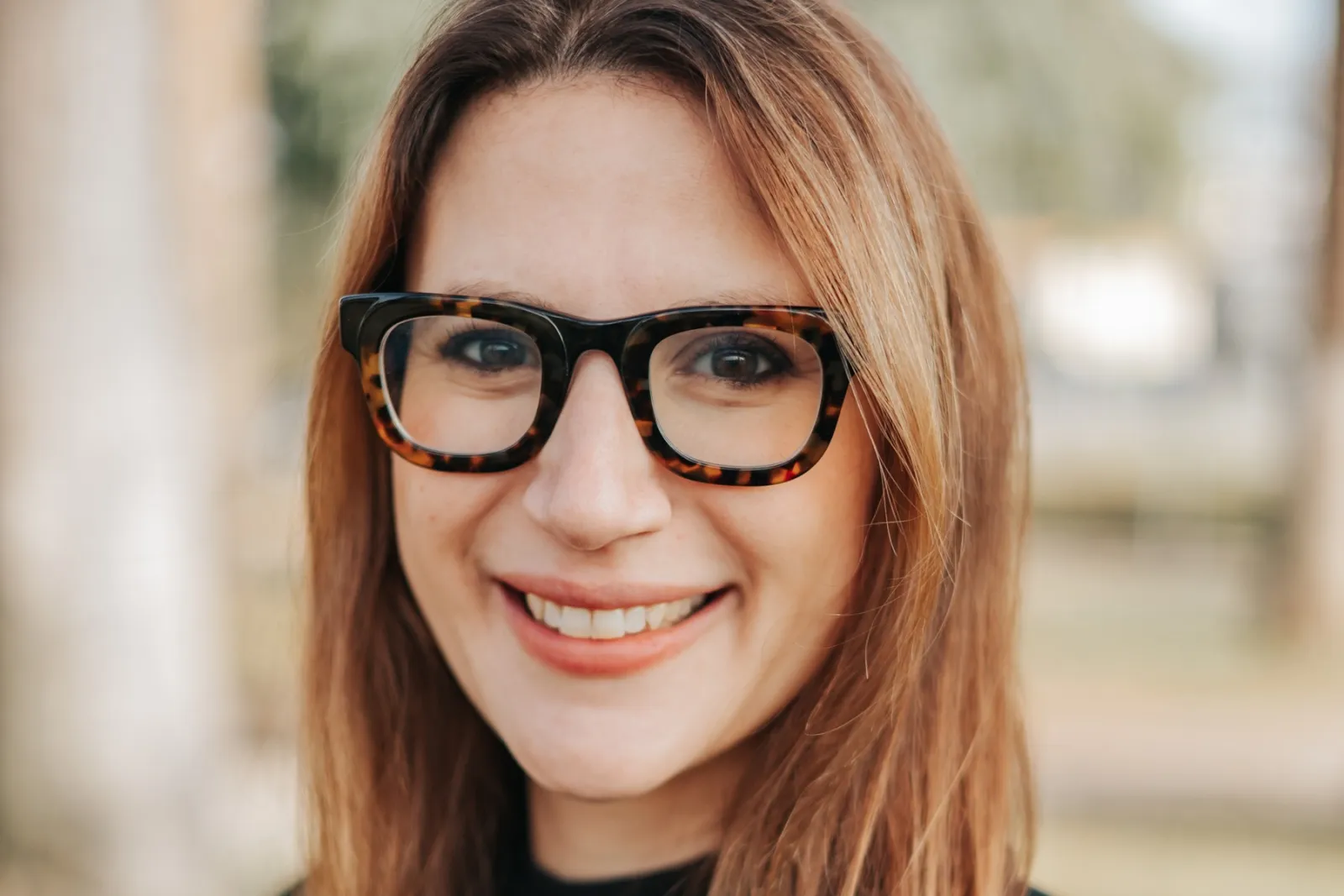
Valentina Cantori
Postdoctoral Scholar - Research Associate
Annenberg School for Communication and Journalism of the University of Southern California
Valentina Cantori is a cultural and political sociologist who studies civic inclusion, religion, togetherness, and issues of representation in U.S. public life. Her multiple-award winning research has been published in Social Problems, Sociology of Religion, and the Journal of Muslim Minority Affairs. Her work has received numerous grants, including the American Sociological Association Doctoral Dissertation Research Improvement Grant and the Luce-American Academy of Religion Advancing Public Scholarship Grant.
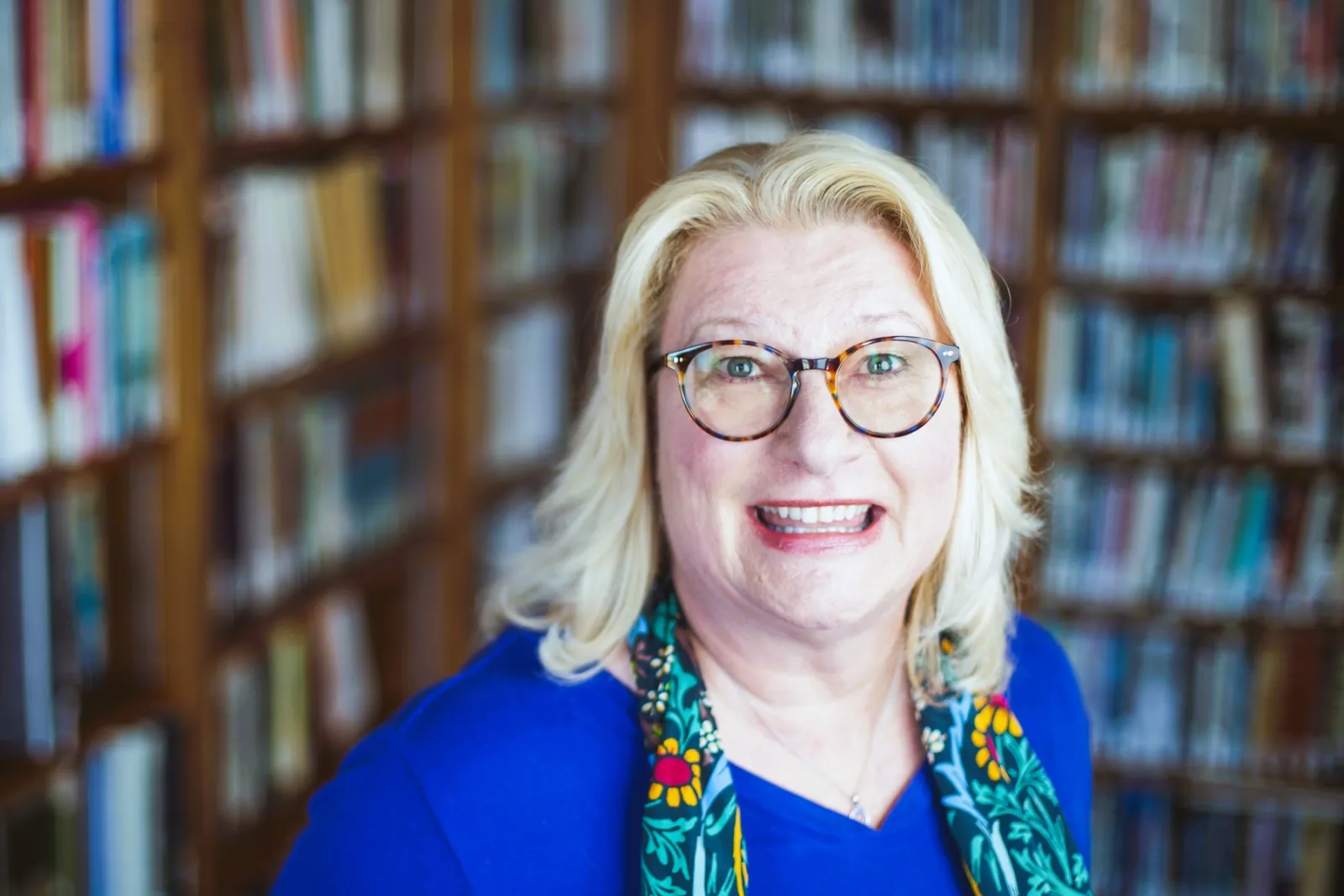
Penny Edgell
Distinguished University Teaching Professor of Sociology
University of Minnesota
Penny Edgell is a cultural sociologist who studies religion and non-religion in the United States. Her work explores how religion, non-religion, and spirituality influence moral culture: for example, our shared understandings of right and wrong, ideals of family life, how we think about race and racial equality, and understandings of good citizenship. She also researches the growing group of Americans who are non-religious, and the organizations through which non-religious Americans come together to socialize and create meaningful identities, or to lobby for legal protections, fight anti-atheist sentiment, or work on political or policy-oriented goals. She is the author of several books, including Religion is Raced (New York University Press, 2020), Religion and Family in a Changing Society (Princeton University Press, 2005), and Congregations in Conflict: Cultural Models of Local Religious Life (Cambridge University Press, 1999).

Grace Last
Director of Finances, Special Projects
President's Office
Grace supports the finance and operations of research projects on President Wendy Cadge’s research team at Bryn Mawr College. Grace's work includes grant management, budgeting, financial planning, reporting, contracts, and coordination with funders and institutional partners. She helps develop and maintain the financial and operational systems that advance the team’s research and strategic goals.
Amy Lawton
Director of Research, Special Projects
President's Office, Bryn Mawr College
Amy completed her PhD in sociology at the University of Connecticut. Her research interests focus on the potential and paradox of religious pluralism in the United States, the cultural production of the sacred, and meaning-making in both religious and (non)religious belief systems. Her dissertation examined the practice of donor memorial ceremonies, which are memorial services held by medical schools to commemorate and honor whole-body anatomical donors.
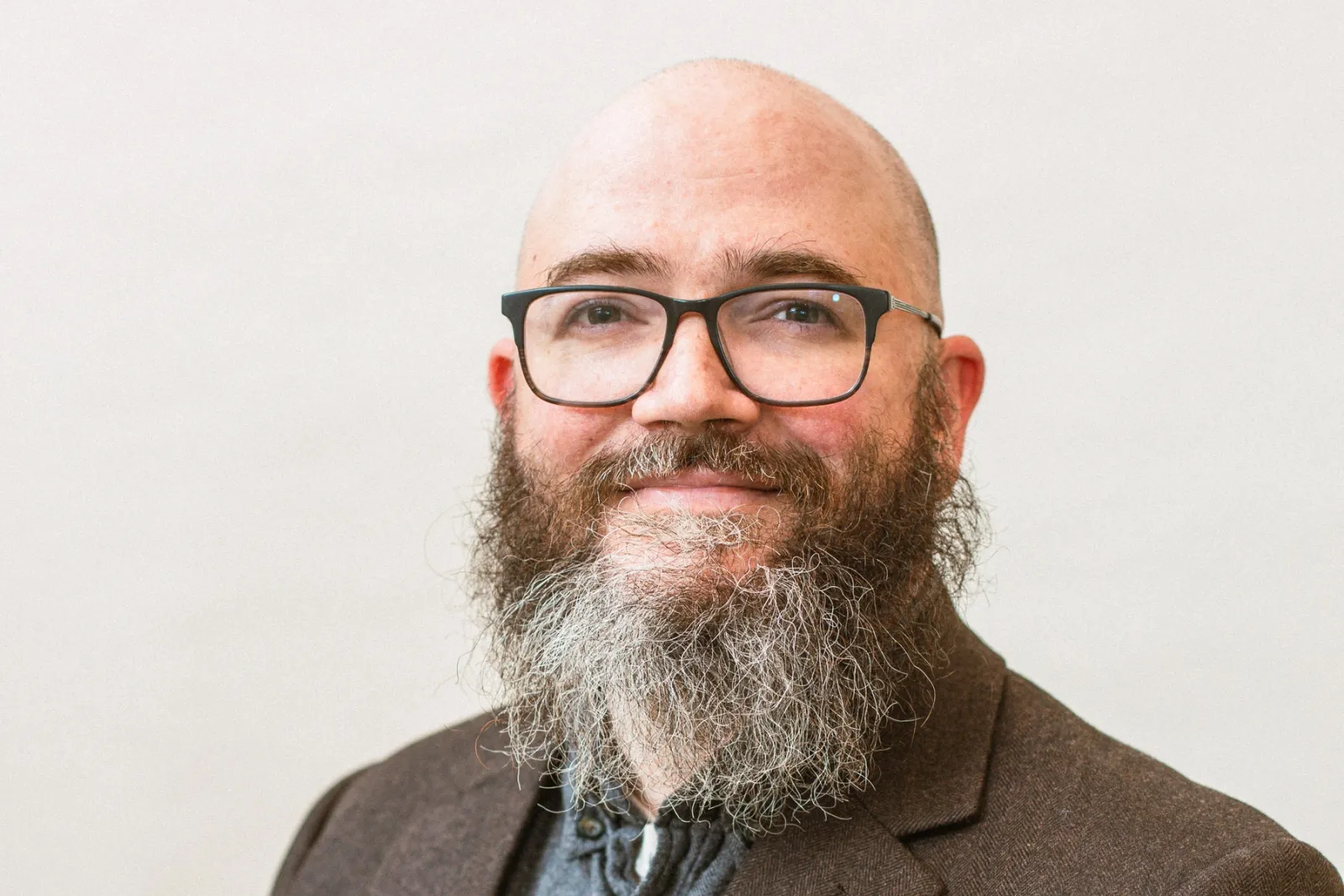
Peter Ryan
Associate Director, Center for the Study of Religion and Society
University of Notre Dame
Peter Ryan is a Postdoctoral Research Associate and Project Manager for the Chicago Congregations Project. He also serves as the Associate Director for the Center for the Study of Religion and Society. His research explores congregational-based mobilization, pluralism, and community effects on, and regional variation among, religious communities. During his time as a PhD student at the University of Notre Dame, he worked with Professor Kraig Beyerlein on qualitative interviews and a quantitative survey exploring congregational-based mobilization for the Women's Marches, with articles published in Sociology of Religion and Mobilization. His dissertation explored regional variation within Evangelical Protestant and Latter-Day Saint communities inside the United States.
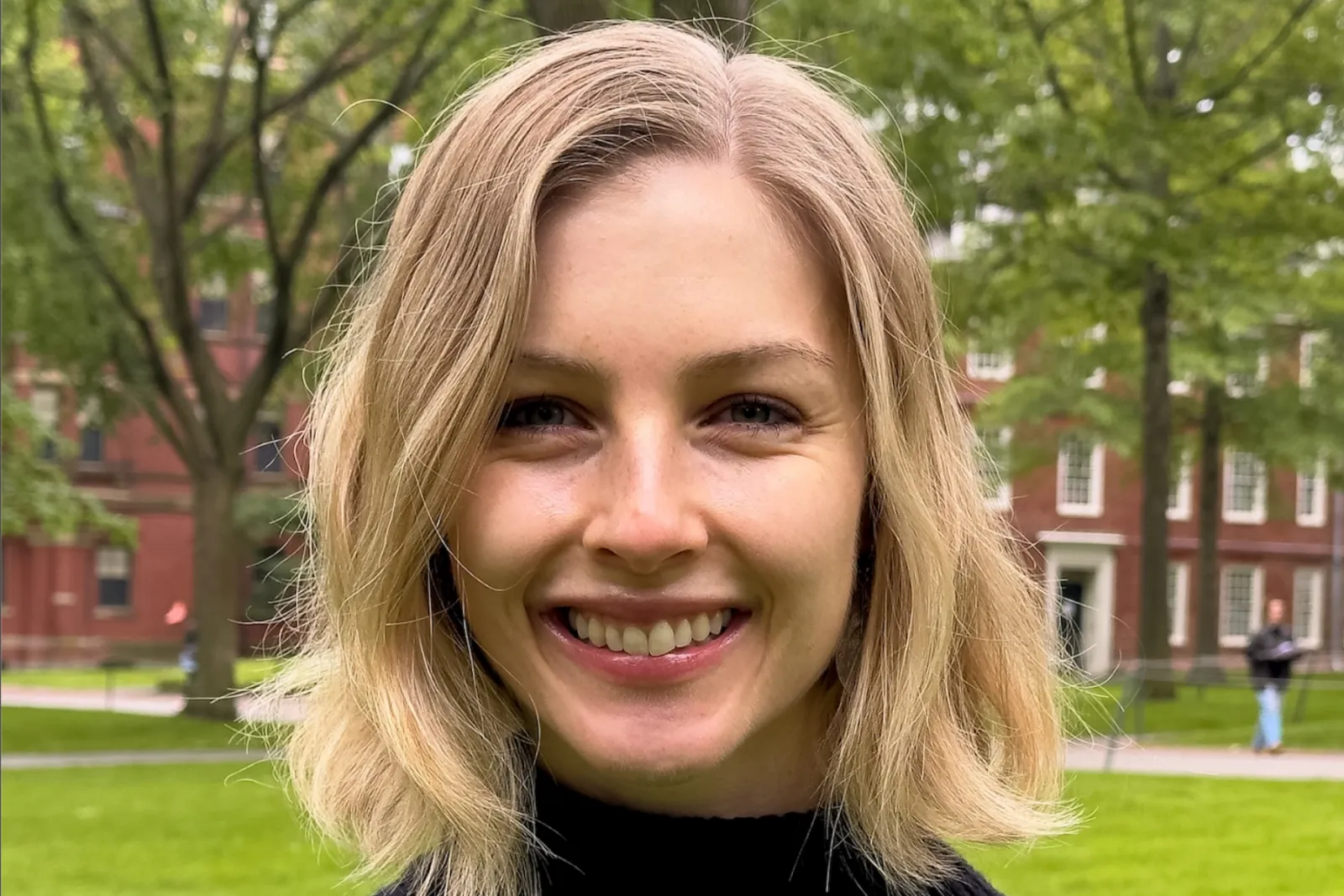
Elena Van Stee
Presidential Fellow
Bryn Mawr College
Elena van Stee is completing her PhD at the University of Pennsylvania and is currently a visiting fellow in Sociology at Harvard University. She studies culture and inequality, focusing on religion, families, and higher education. Elena’s work has been published in journals including Journal of Marriage and Family, Annual Review of Sociology, and Sociology of Religion, and it has been supported by the Russell Sage Foundation, the Institute of Education Sciences, and the Munich International Stone Center for Inequality Research. Elena also serves as the managing editor of Contexts.
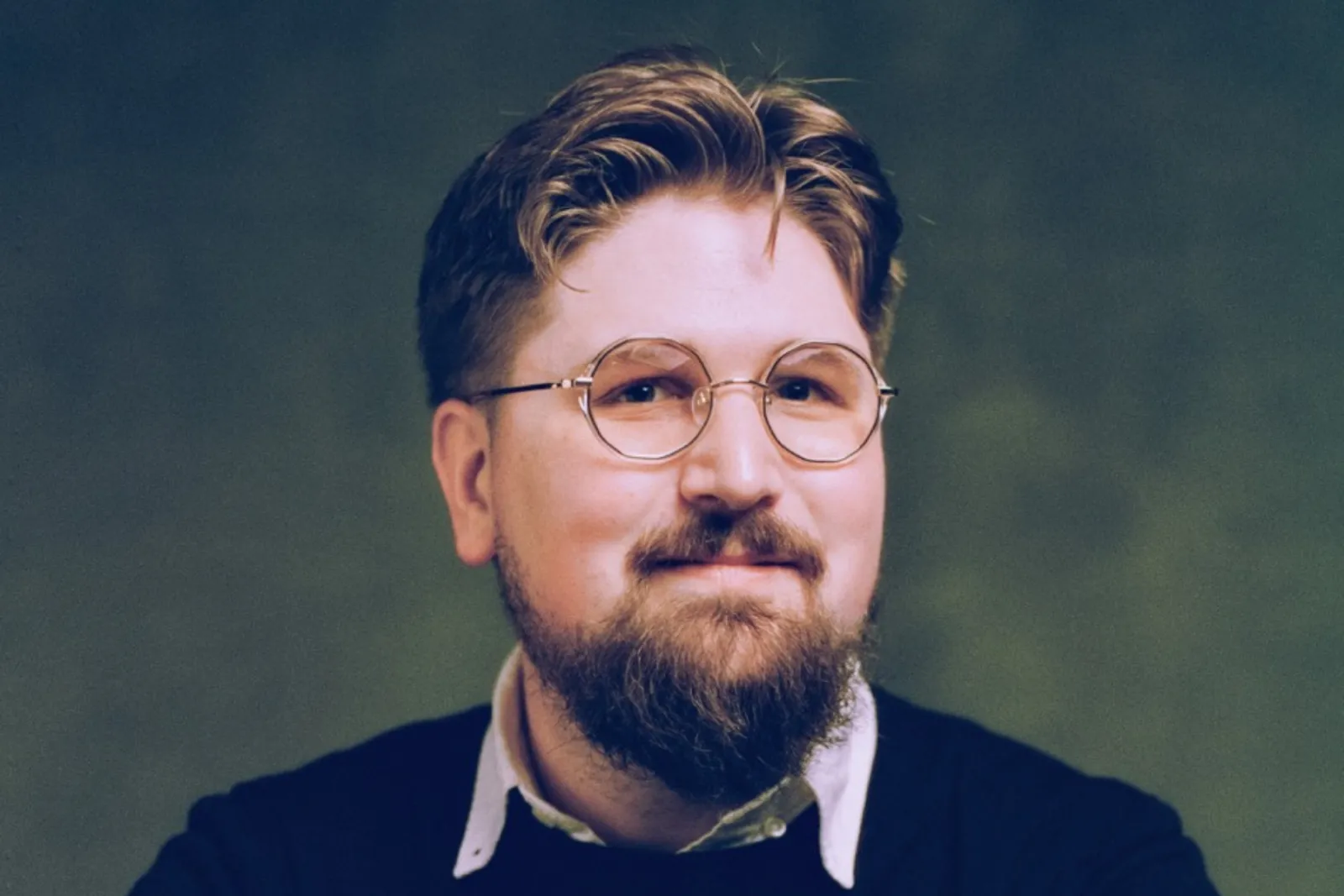
Dawson Vosburg
Postdoctoral Fellow
Bryn Mawr College
Dawson Vosburg completed his PhD in Sociology at The Ohio State University in July 2025. His research on religion and inequality asks why so many Americans remain comfortable with an economy of poverty amid plenty, looking to explain how American Christians make sense of U.S. economic inequality. His dissertation is focused on the world of Christian personal finance advice, which represents a profound intersection between religious practice and economic ideology in the United States. His work has been published in the Journal for the Scientific Study of Religion and Teaching Sociology.

Diane Winston
Knight Chair in Media and Religion
Annenberg School for Communication, University of Southern California
Diane Winston is a Pulitzer Prize-nominated journalist, author, and columnist.
Winston has authored and edited numerous books on the connection between religion, media, American history, and politics. They include Red-Hot and Righteous: The Urban Religion of the Salvation Army (1999), Faith in the Market: Religion and the Rise of Urban Commercial Culture (2002), Small Screen, Big Picture: Television and Lived Religion (2009), The Oxford Handbook of Religion and the News Media (2012), and Religion and Reality TV: Faith in Late Capitalism (2018).
Her latest book – Righting the American Dream: How the Media Mainstreamed Reagan’s Evangelical Vision (2023) — reveals how the Reagan presidency utilized news media to spread a new religious vision of American identity, one which continues to influence politics, including the rise of Trumpism and Christian nationalism.
As Knight Chair, Winston has hosted and moderated numerous discussion panels on topics ranging from reporting on the Israeli-Palestinian conflict, to American right-wing religious identities, to the Vatican’s public diplomacy, to developments at the intersection of religion, media, and gender. She’s organized conferences on Arab Spring, religion and television, and reimagining religion reporting. She’s also a popular speaker on public scholarship, the rightward, political turn under Reagan, and the Salvation Army’s hidden religious identity.
Between 1983 and 1995, Winston covered religion for the Raleigh News and Observer, Dallas Times Herald, and Baltimore Sun, during which time she was nominated for the Pulitzer Prize three times. Her contributions have appeared in the New York Times, Washington Post, Los Angeles Times, Wall Street Journal, Christian Science Monitor, Alta, and many more.
Winston holds a Master of Theological Studies from the Harvard Divinity School, an MS in Journalism from Columbia University, and a PhD in Religion from Princeton University.
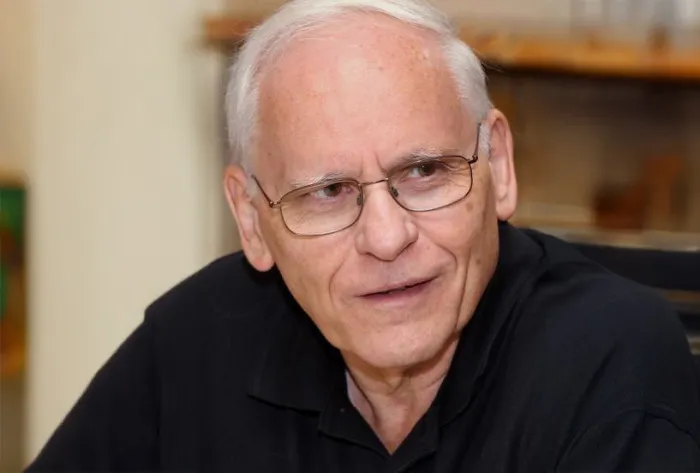
Robert Wuthnow
Gerhard R. Andlinger '52 Professor of Social Sciences, Emeritus and Professor of Sociology, Emeritus
Princeton University
Robert Wuthnow is Professor of Sociology Emeritus and former director of the Princeton University Center for the Study of Religion. He is the author of more than three dozen books and numerous articles about religion, civil society, communities, and American culture.
His major publications about religion include The Restructuring of American Religion: Society and Faith Since World War II; God and Mammon in America; After Heaven: Spirituality in America Since the 1950s; Boundless Faith: The Global Outreach of American Churches; The God Problem: Expressing Faith and Being Reasonable; and most recently What Happens When we Practice Religion? Textures of Devotion in Ordinary Life. A recurring interest in his work on American religion has been its intersection with changing social and cultural conditions. Another interest has been the impact of immigration, which he addressed most specifically in America and the Challenges of Religious Diversity. His work on religion has also been concerned with the relationship of spirituality and the arts, most notably in Creative Spirituality: The Way of the Artist and All in Sync: How Music and Art Are Revitalizing American Religion.
Among his publications on civil society and communities are Acts of Compassion: Caring for Others and Helping Ourselves; Poor Richard’s Principle: Recovering the American Dream through the Moral Dimension of Work, Business, and Money; Saving America? Faith-Based Services and the Future of Civil Society; and most recently Why Religion Is Good for American Democracy. His work on communities has spanned topics ranging from the alleged breakdown of community solidarity, which he addressed in Loose Connections: Joining Together in America’s Fragmented Communities, to a study of micro communities in Sharing the Journey: Support Groups and America’s New Quest for Community, to a series of studies focusing on social change in small towns and rural areas, including Remaking the Heartland: Middle America Since the 1950s; Small-Town America: Finding Community, Shaping the Future; In the Blood: Understanding America’s Farm Families; and The Left Behind: Decline and Rage in Small-Town America.
The interest in cultural sociology that runs through much of his work includes several of his early publications such as Meaning and Moral Order: Explorations in Cultural Analysis and Communities of Discourse and more recent work on such topics as the cultural construction of fear in Be Very Afraid: The Cultural Response to Terror, Pandemics, Environmental Devastation, Nuclear Annihilation, and Other Threats and the role of “othering” in American Misfits and the Making of Middle Class Respectability.
Methodologically, he has been a proponent of mixed methods combining surveys and in-depth qualitative interviews and has been a critic of reliance on flawed surveys in his book Inventing American Religion: Polls, Surveys, and the Tenuous Quest for a Nation’s Faith. He has also made extensive use of historical materials in his writing about religion and politics, two examples of which are Red State Religion: Faith and Politics in America’s Heartland and Rough Country: How Texas Became America’s Most Powerful Bible-belt State.
Reviews of his work, interviews, and op-ed essays have appeared in The New York Times, Washington Post, Los Angeles Times, Books and Culture, Vox, America, Christian Century, and Christianity Today.
Wuthnow has chaired the sociology department at Princeton, served as President of the Society for the Scientific Study of Religion and the Eastern Sociological Society, is a Fellow of the American Academy of Arts and Sciences and a Fellow of the American Philosophical Society, and has received numerous honors and awards for his research, teaching, and publications.