

Leadership & Self-Governance
Whether in the classroom, residence halls, student organizations, or everyday interactions, you'll find opportunities to take initiative, support others, and help shape the communities you're part of.
Learning to Lead
A Bryn Mawr education encourages students to ask questions, think critically, communicate across differences, and approach challenges from new perspectives.
Through classroom discussions, collaborative projects, and engagement with new ideas, students build a foundation for thoughtful decision-making and working with others.
Explore all the ways our students choose to lead.

Self-Governance at Bryn Mawr
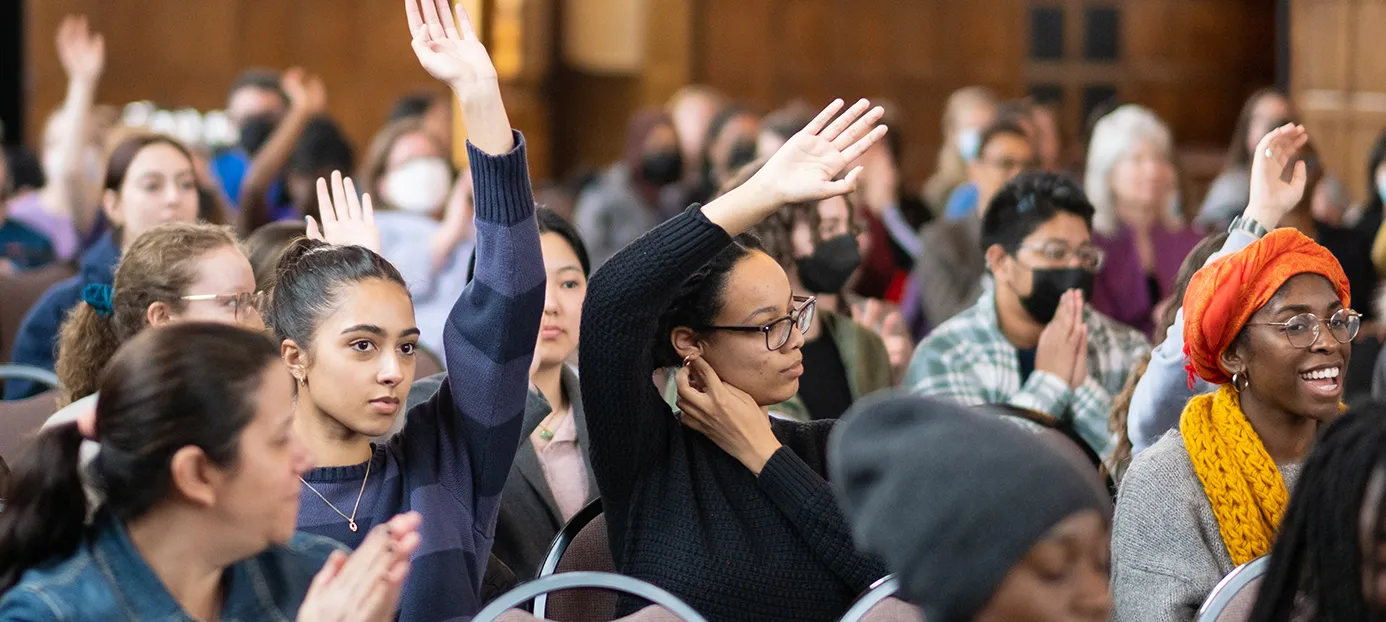
Self-governance is a longstanding Bryn Mawr tradition that gives students an active role in the College community. Through student government and shared community expectations, students take responsibility for their actions, work through challenges together, and help shape campus life.
By participating in self-governance, you can develop leadership skills, learn to navigate different perspectives, and contribute to a community built on shared responsibility.
Leadership in Action
Leadership at Bryn Mawr takes many forms. Whether through student organizations, dorm leadership, leadership in sports, peer mentorship, or civic engagement, students have opportunities to take initiative, support others, and put their ideas into action. Explore some leadership paths below.

Student Club Leadership
Student clubs give students the opportunity to take on leadership roles, plan events, manage club activities, and bring people together around shared interests. These experiences allow students to build organizational skills, develop new ideas, and play an active role in shaping campus life.club leadership
Dorm Leadership
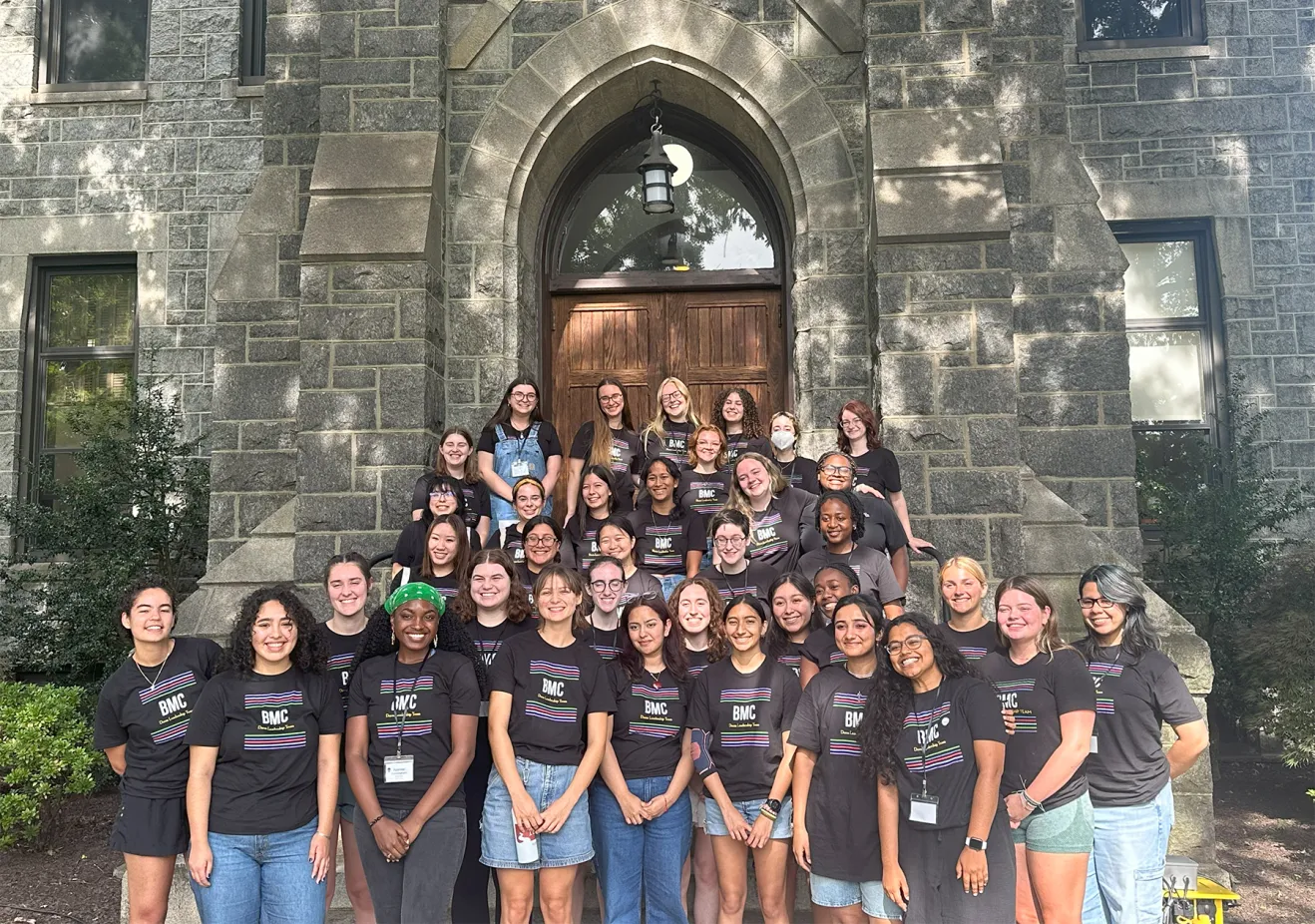
Students help shape their residential communities by supporting fellow students, organizing dorm activities, and helping create a welcoming and respectful living environment. Through these roles, students contribute to their dorm communities and help make residence life a meaningful part of the college experience.
Peer Mentorship & Support
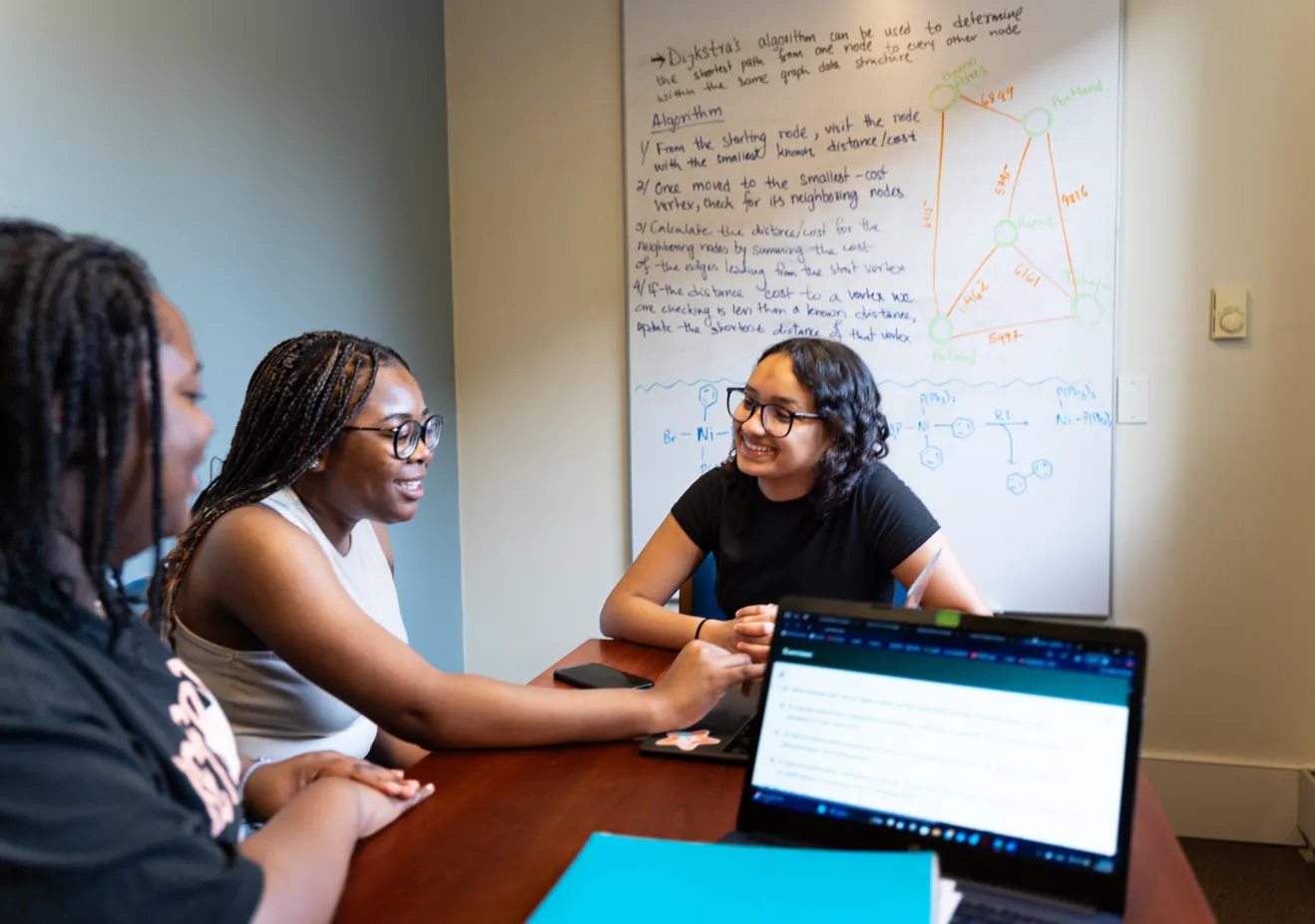
Through peer mentorship and support programs, students guide, encourage, and connect with other students. These opportunities allow students to share their experiences, help others navigate college life, and build meaningful relationships while developing skills in communication, collaboration, and advocacy.
Emerging Owls: Leadership Development Program
The Emerging Owls program is geared towards developing key leadership skills within student leaders on campus.
The program explores personal foundations for leadership, continues growth, and provides an opportunity to be recognized and rewarded for exemplary leadership.
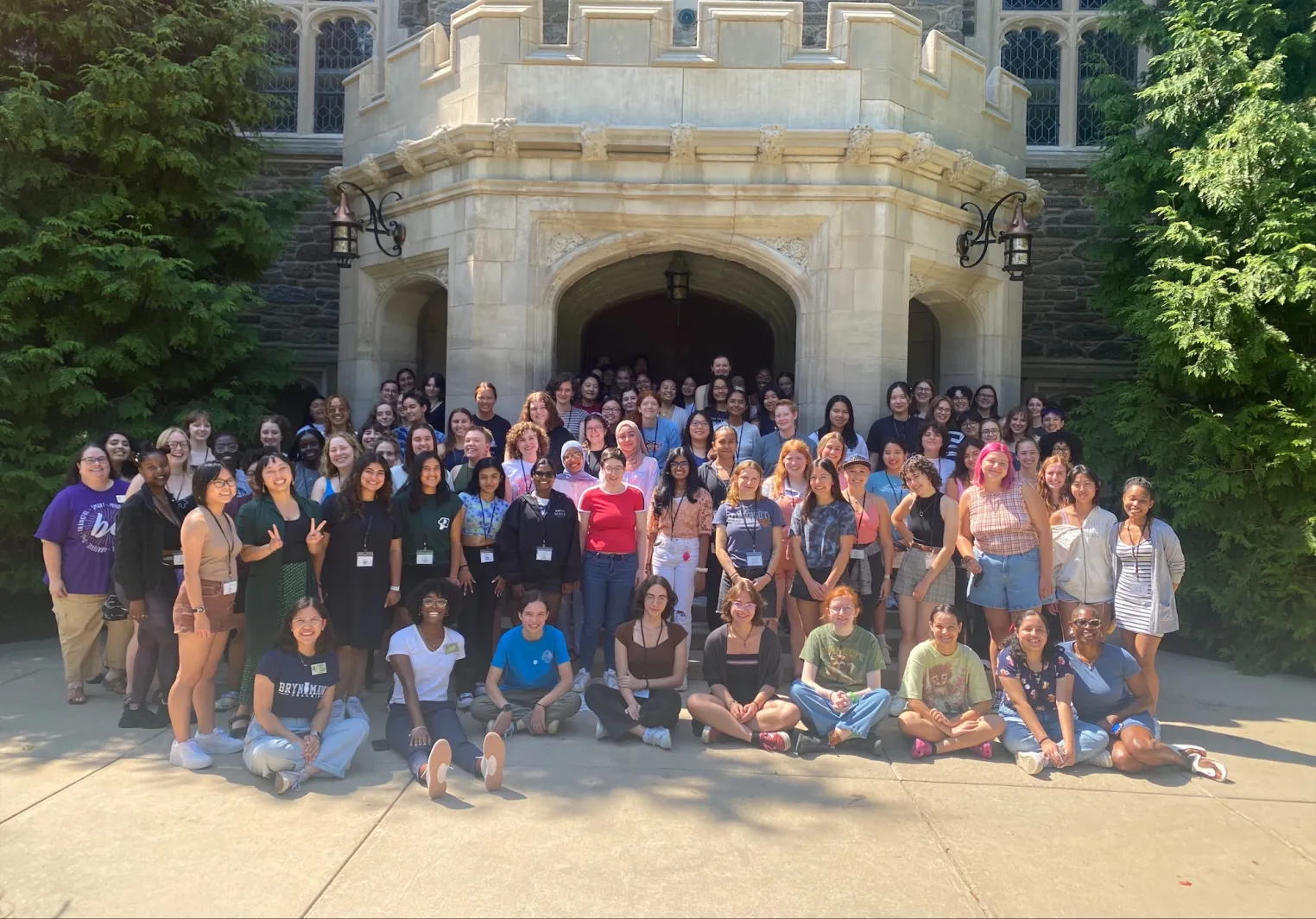
Students Leading at Bryn Mawr



Explore Leadership & Self-Governance
Leadership FAQs
Self-governance is a longstanding Bryn Mawr tradition that gives students an active role in shaping their College community. Students share responsibility for maintaining community expectations, addressing challenges, and creating a respectful campus environment.
There are many ways to develop leadership skills at Bryn Mawr. Students can take on roles in student government, lead campus organizations, participate in peer mentorship, get involved in dorm leadership, and contribute to community initiatives.
No. Leadership at Bryn Mawr takes many forms, and students have opportunities to develop their skills throughout their college experience. Whether you are interested in organizing a campus event, supporting your peers, or taking on a leadership role in an organization, you can find opportunities to learn and grow.
Emerging Owls is a leadership development program designed to help student leaders build skills they can use both inside and outside the classroom. The program explores personal foundations for leadership, encourages continued growth, and recognizes exemplary student leadership.
Through academic experiences, campus involvement, and collaboration with others, students develop skills in communication, critical thinking, problem-solving, advocacy, and working across different perspectives. These experiences help prepare students to take initiative and contribute to their communities.