
Bryn Mawr's Quaker past creates new Friends
Elizabeth Tinker ’97, Isabella Dorfman ’17, Rhea Nunoo ’03, Sinclair Brown ’28, and Natalie Cincotta ’26 teamed up on a new exhibit that showcases Bryn Mawr's Quaker roots.
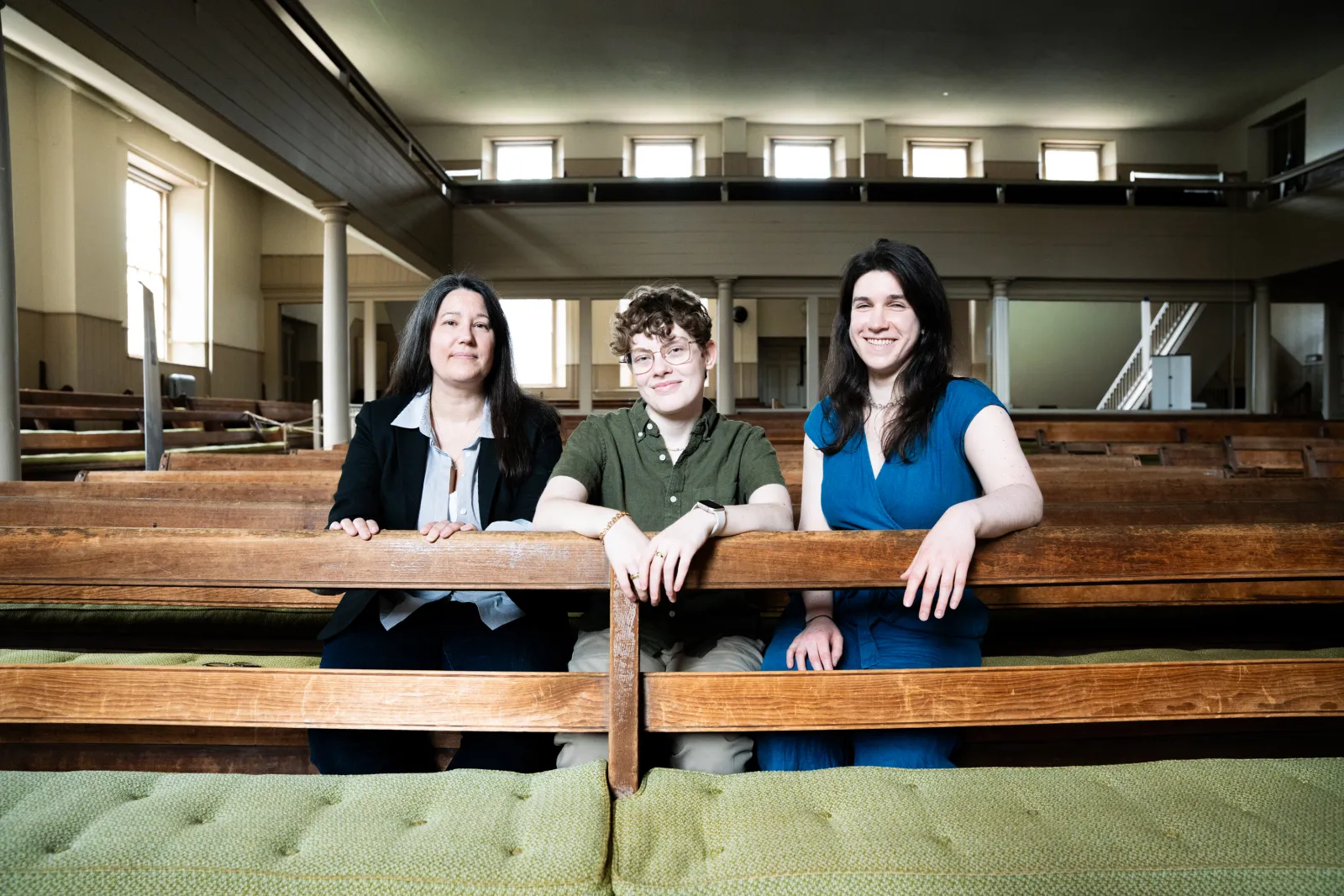
Although Bryn Mawr’s time as a Quaker institution was short-lived — “a hot minute,” as Elizabeth Tinker ’97 describes it — the College plays a big role in a new exhibition on Quakerism. Not so much in the displays themselves, though Bryn Mawr does make an appearance, but because the team behind the exhibition design is a veritable Bryn Mawr reunion.
There’s Tinker, a Philadelphia-based museum consultant; Isabella Dorfman ’17 is her longtime collaborator, whom she first met in the “Mawrtyrs at Work” online group; there’s Rhea Nunoo ’03; then there are two interns, Sinclair Brown ’28 and Natalie Cincotta ’26.
“I have pulled many Mawrters in to work with me,” Tinker says. “There’s a real difference when I work with a Mawrter.”
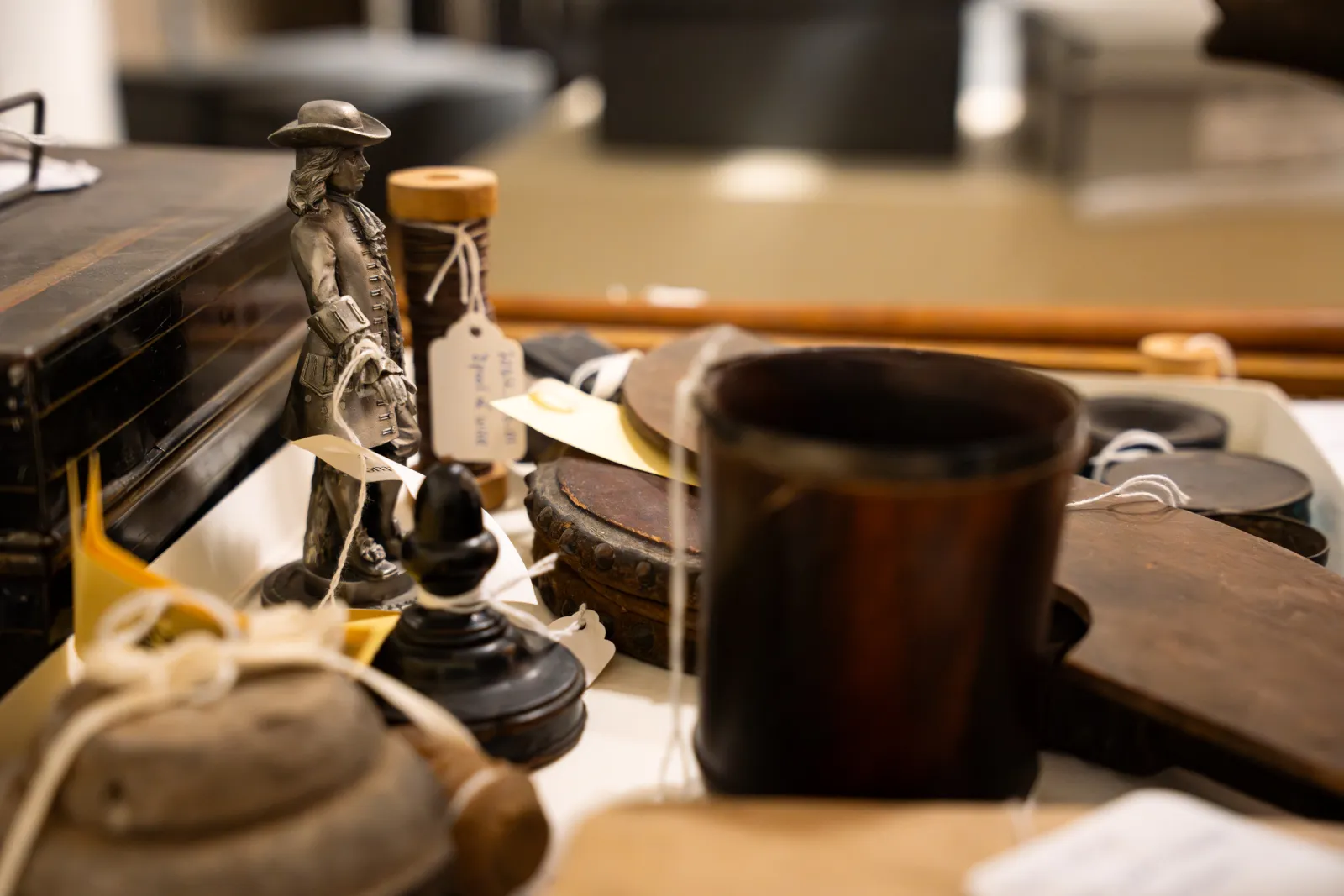
The History of Quakers: A Religious Revolution, a new, permanent exhibit at Arch Street Meeting House in Philadelphia, opened this spring — just in time for the United States Semiquincentennial. The inclusion of freedom of religion in the U.S. Constitution comes from the constitution for Pennsylvania and William Penn’s ideas, Tinker says.
Dating from the early 1800s, Arch Street Meeting House is still an active place of worship, and student groups and tourists can see exhibits that shed light on both the past and present of Quakerism.
Tinker points out that Quakerism and the liberal arts share many of the same values, such as tolerance and critical thinking.
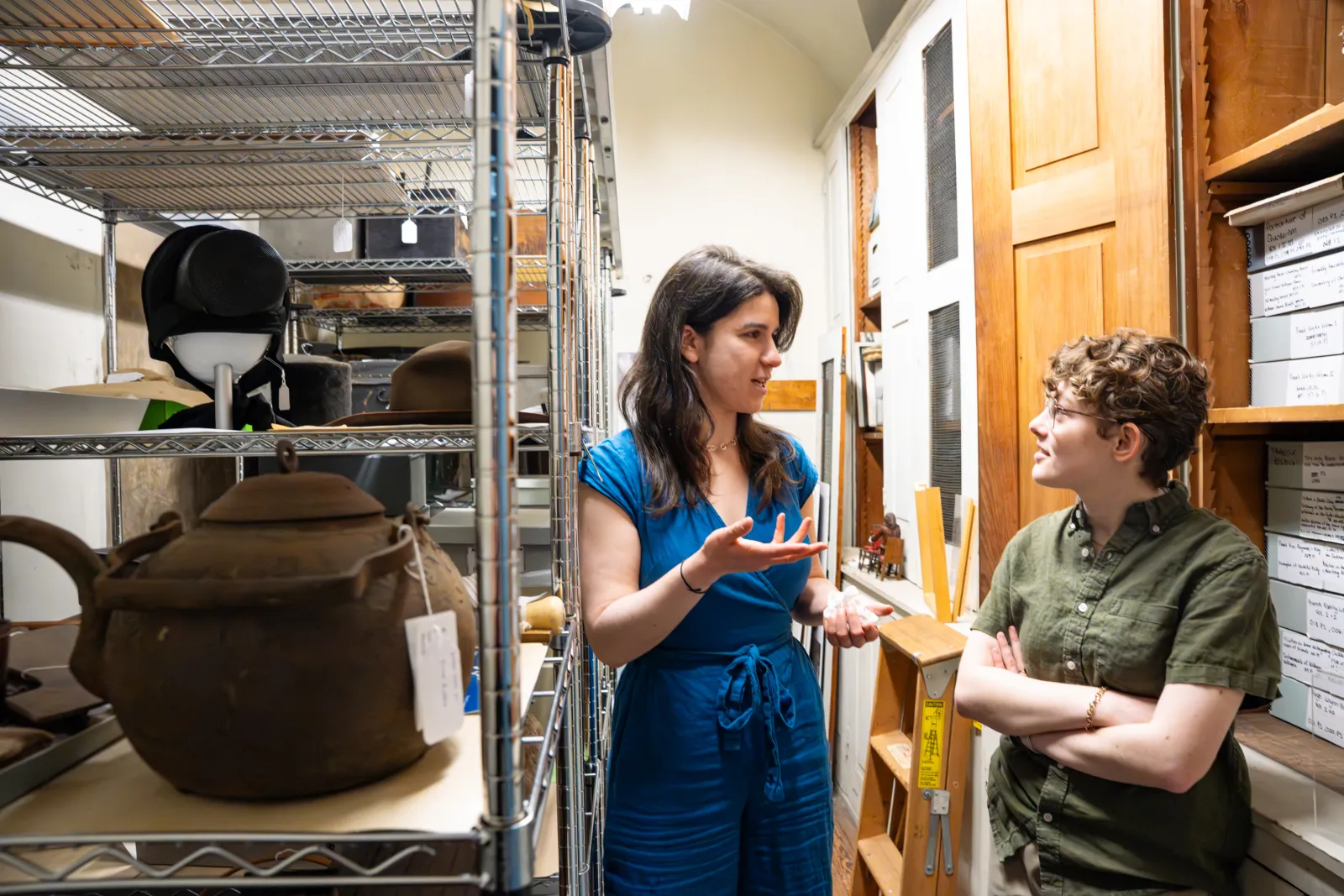
Bryn Mawr was started as a Quaker college by the Religious Society of Friends, so a photo of the College is featured in the new exhibition. While the College had become non-denominational by 1893, it is still bonded to other colleges in the region (Haverford, Swarthmore, and the University of Pennsylvania) through the Quaker Consortium, which allows students access to classes at the other institutions.
When Tinker was at Bryn Mawr, she majored in biology and math; there wasn’t a museum studies major, but she constantly applies what she learned at Bryn Mawr in her career.
Dorfman was a history major. “The History Department did some training with us on archival work,” Dorfman says, “so I felt like I could take a lot of skills to this.”
In contrast, Brown, a history of art major, now has the ability to minor in the newer Museum Studies program and to apply her learning to the internship more directly.
Museum Studies has been a wonderful base for the work, says Brown, who took the History, Theory, Practice course with Monique Scott, an associate professor in history of art and the director of Museum Studies.
“Professor Scott took us to a bunch of other museums around the Philadelphia area, where we met with people currently working as museum professionals as a way to introduce possible career paths, or what a day in the life might be,” Brown says. “And I feel like that very much solidified that this is what I want to do, so this has been a nice opportunity to put that conceptual background into practice.”
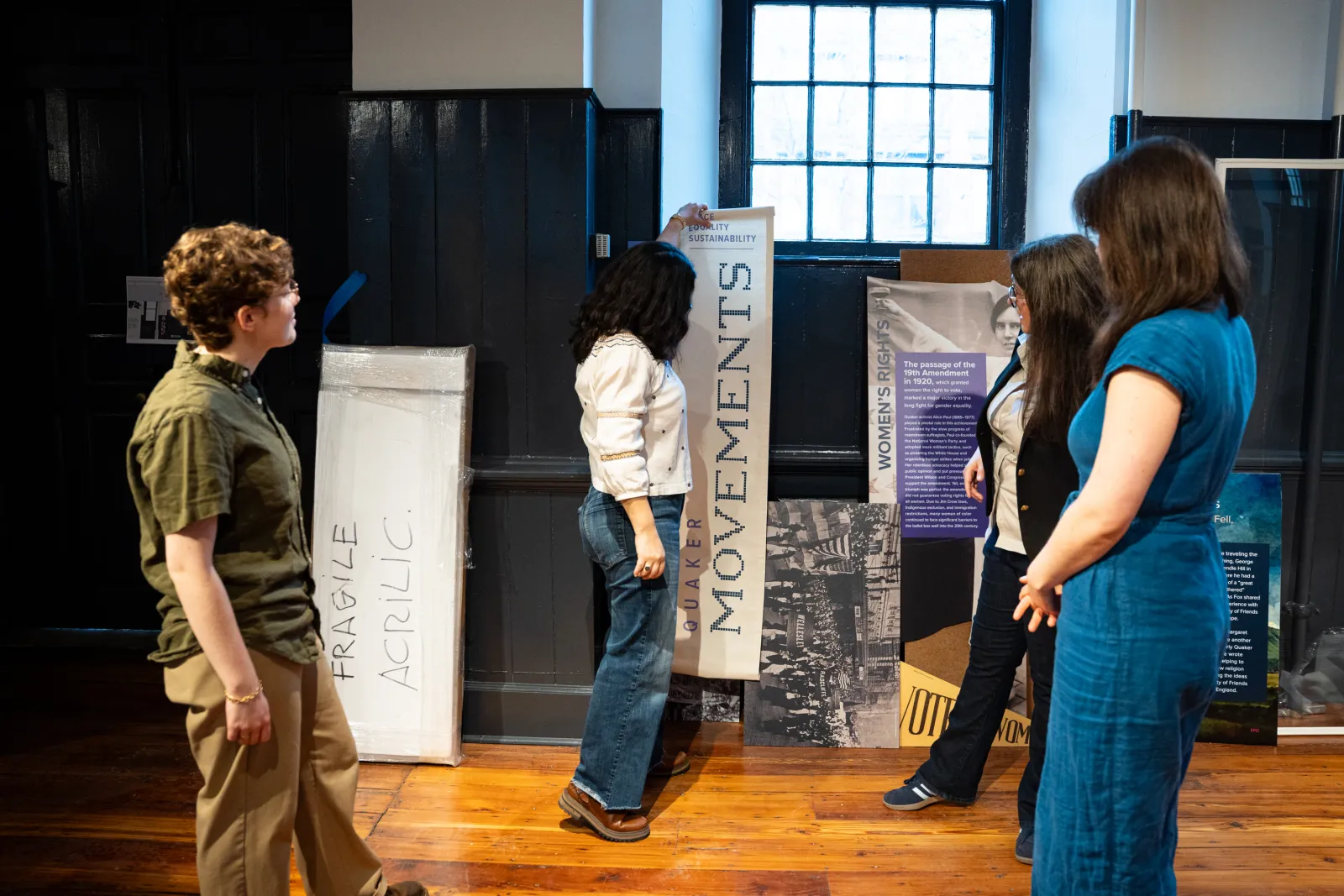
This story is #22 in our "26 Things to Love About Bryn Mawr in 2026" spring issue of the Bulletin.
Published on: 05/20/2026