
Finding community through the Alliance of Multicultural Organizations
Each year brings a new opportunity to find belonging
Each year, Bryn Mawr welcomes hundreds of first-year students to campus to meet new friends and discover the groups that will form their community at college. Many of them find this at Fall Frolic, a vibrant introduction to campus life and more than 100 student clubs, including the many within the Alliance of Multicultural Organizations (AMO). AMOs shape the student experience, spread connection, and help students find community. The connections students make in these early moments resonate long after graduation.
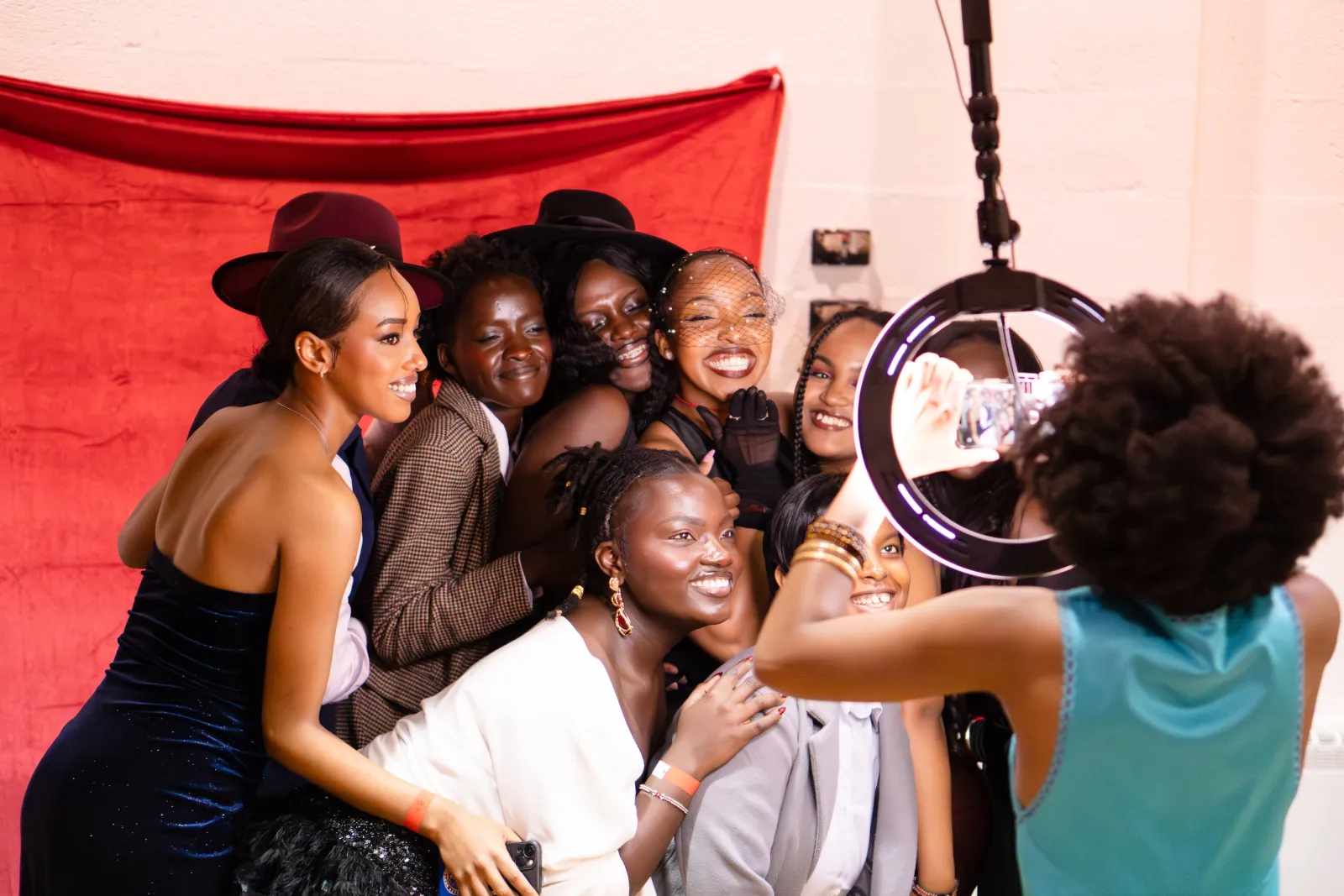
For many alumnae/i, Fall Frolic reflects not only a moment in their college journey but also a snapshot in time.
Azalia Spencer ’18 recalls eagerly signing up “with pen and paper on a clipboard,” a method that felt immediate and personal. Years later, as a student leader, she helped transition her organization to online forms after “one too many paper sign-up sheets had gone missing.”
Kierstin Gray ’01 explored a range of groups, including Night Owls and cultural organizations such as Sisterhood*, South Asian Women, and Asian Student Association (ASA). Although her involvement sometimes started at the sign-up tables, she says, connection unfolded over time. “Three years later,” she says, “I was the leader of South Asian Society and ushering first-years to my table.”
For many, the first AMO meeting is where everything begins to click.
“I never set my mind to join Mujeres* as a freshman,” says Alexandra Berrocal ’18. Yet her path would ultimately lead her to deep involvement, lasting friendships, and a role as the organization’s president.
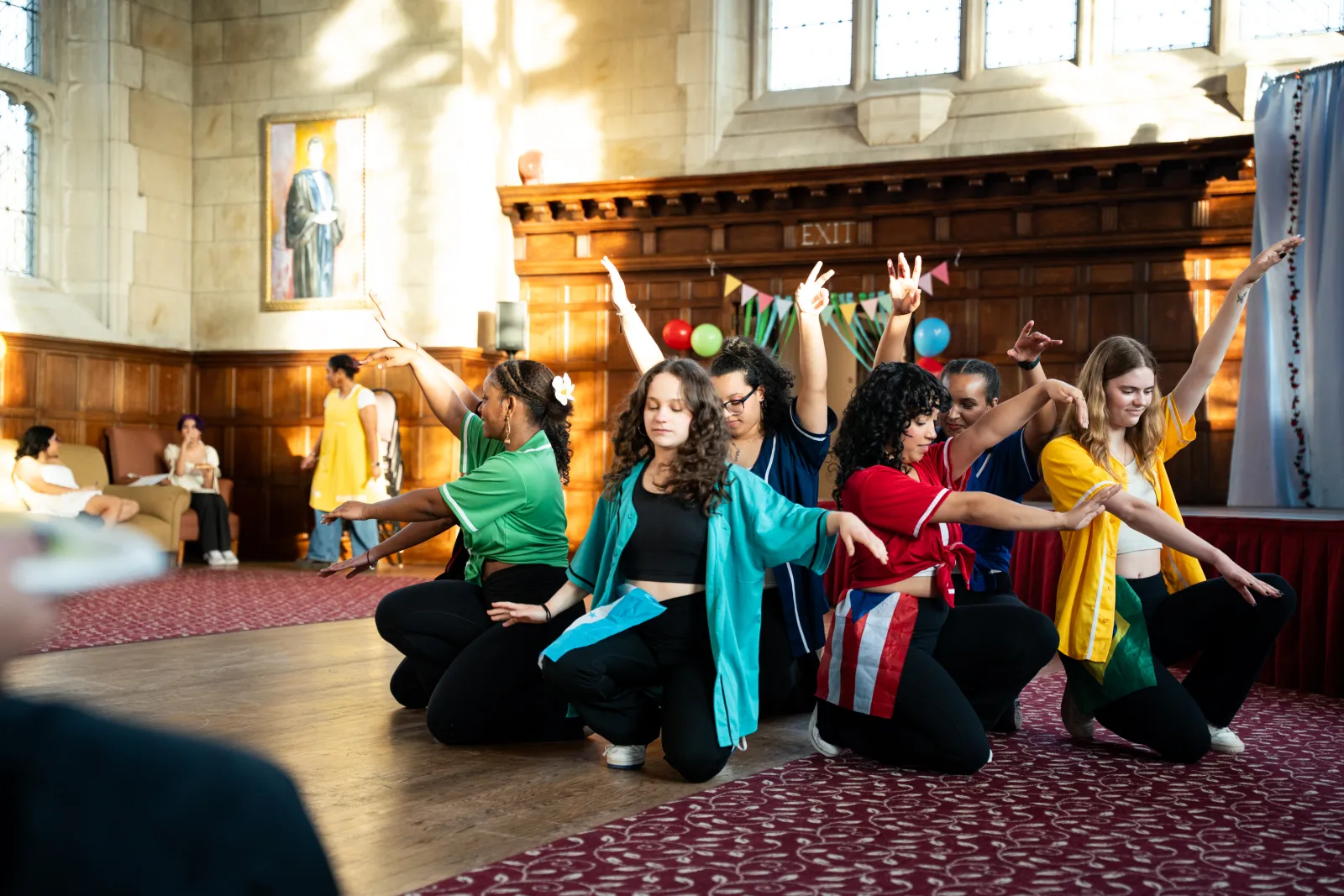
Berrocal describes her first Mujeres* meeting as transformative. “I remember feeling a deep sense of community,” she says. At the same time, it helped make her aware of gaps in representation, which inspired her to get involved and “increase Caribbean Latinx representation.”
Spencer experienced something similar even before arriving on campus. During an overnight visit as a high school senior, she attended a Mujeres* meeting with fellow Posse scholars. “Meeting this wonderful group of students really started to build a sense of home for me at Bryn Mawr,” she says.
Spencer went on to serve on the executive board and later as president of Mujeres*. Recruiting new members became a full-circle moment that mirrored her own introduction to the group years earlier.
“I got to meet so many students and talk about my favorite student organization,” she says.
For Mariejoy Mendoza-Riess ’01, the impact of finding community through ASA and Barkada (meaning “circle of friends” and “squad” in Tagalog) remains vivid. Arriving from San Francisco, she recalls feeling “untethered and homesick,” until she was welcomed by older students who were “fiery, self-assured, and fierce.” Their mentorship left a lasting impression about the importance of connection and care.
“I am grateful that they reached back to mentor a frosh who was finding her footing,” Mendoza-Riess says.
Across generations, Fall Frolic has taken many forms from clipboards to online forms, from bustling tables to lasting friendships. What remains unchanged is its role as a gateway toward finding community, identity, and belonging at Bryn Mawr.
Whether through a chance encounter, a first meeting, or a decision to step into leadership, these alumnae remind us that the impact of these connections extends far beyond a single afternoon on campus. It’s the beginning of something much bigger.
This story is #20 in our "26 Things to Love About Bryn Mawr in 2026" spring issue of the Bulletin.
Published on: 05/13/2026