

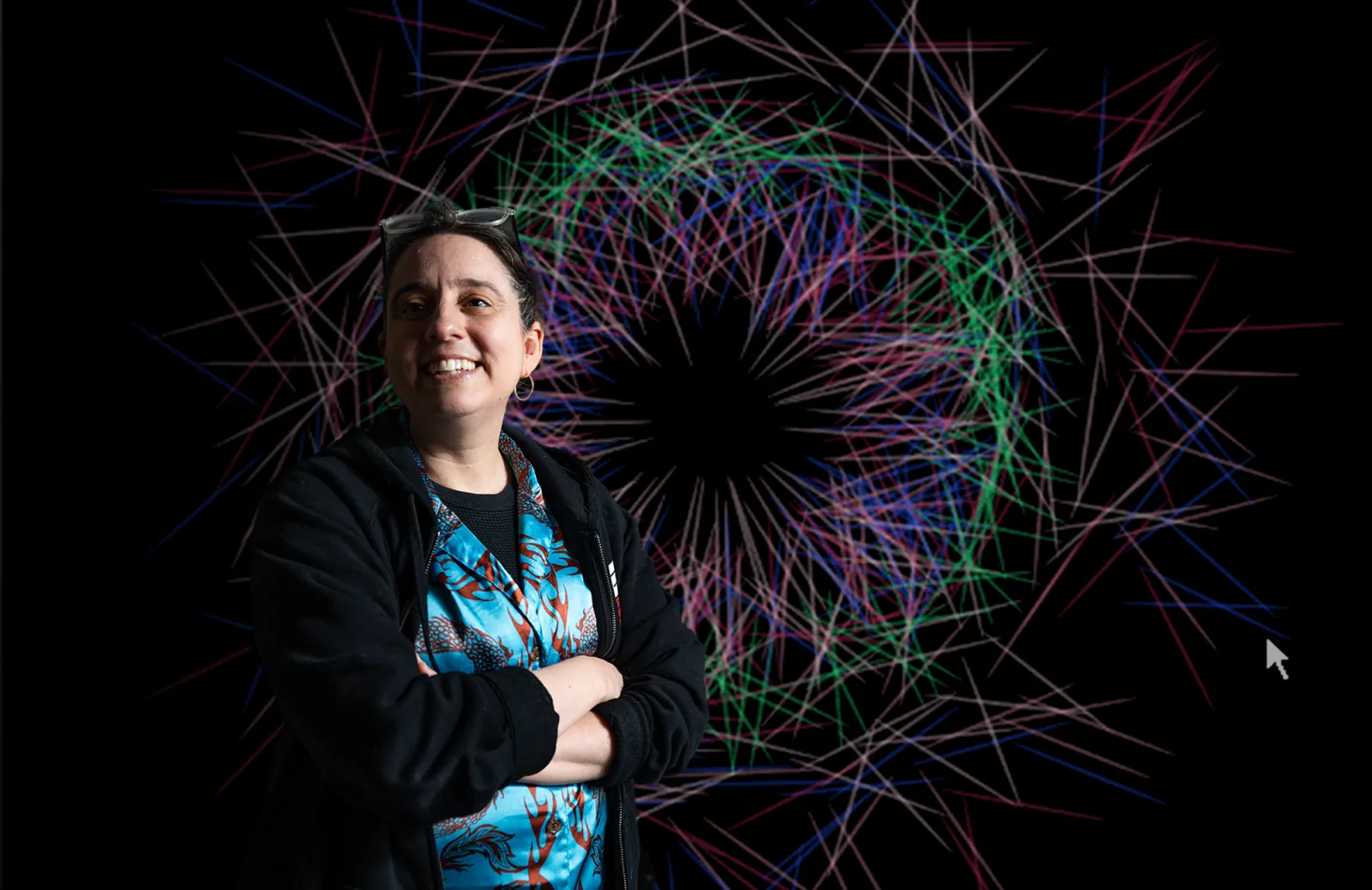
“No self-deprecating comments about our programs – our achievement is recreating, from scratch, machines as powerful as the 1980s Atari.”
With that directive, Assistant Professor of Computer Science Aline Normoyle handed over the reins to her students as they shared their final projects. In CMSC 240 Principles of Computer Organization, students study the hierarchical design of modern digital computers, started at the hardware level and culminating in the construction of a video game.
“This sort of low-level programming is super valuable”, Normoyle says. “Understanding how software interacts with the underlying hardware is the basis of all computing systems.”
And sometimes it can save lives.
During the COVID-19 pandemic, “white-hat hacking”, or ethical security hacking, was an integral part of addressing issues arising from ventilator shortages. Many ventilators are designed so they can only be repaired by licensed repair technicians. However, such technicians were in short supply and in some cases, where companies had gone out of business, unavailable altogether. Engineers with device-level software knowledge were able to repair such ventilators.
For Normoyle, stories such as these underscore the importance of this course. Low-level programming is much more difficult than programming with modern high-level software languages – and the skills and knowledge around such programming are increasingly rare. However, the people will these skills are the ones who are building the infrastructure for major technological advances such as autonomous vehicles and artificial intelligence.
Recent grad Emma Lee '25, who took several classes with Normoyle during her time as a computer science major, says she found this course vital in helping her understand how computers actually work. For her final project, she created a game that tests one's ability to lie.
The Lying Game
In Lee's game, a series of levels takes you on missions around the world, where you must assume a disguise to reach your objective. To advance, you must adjust the hat, eyes, eyebrows, and mouth of your character to help them blend in on their covert operation. Built on this basic software, Emma's game tests the limits of game design, processing power, and your ability to bend the truth.
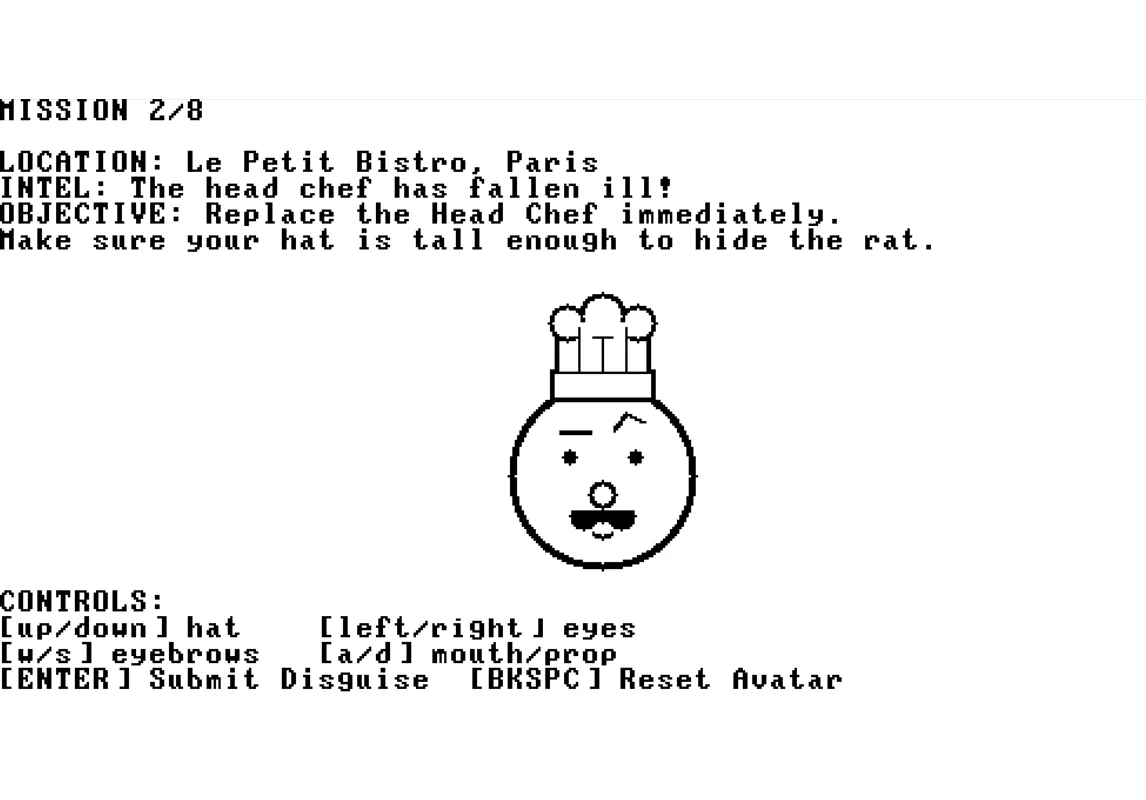
Lee says going back to the basics has proved invaluable for understanding the magic that goes on behind the scenes in computers, turning zeroes and ones into powerful programs. Normoyle meets her students where they're at, Lee says, always acknowledging the difficulty of a topic rather than assuming they'll understand, giving them much-needed confidence boosts.
"Aline is an incredible mentor. She's funny and relatable, but it's her infectious passion that really stands out. The way she shares her own experiences with computers (including the struggles) makes her advice feel authentic and grounded."
This July, Lee will start work as a full-time software engineer at Google.
Normoyle herself has been back and forth between industry and academia throughout her professional career. After earning her bachelor's from McGill University, Normoyle worked at MAK Technologies as a senior software developer focused on 3-D graphics and distributed simulation, developing networking tools and APIs for use by other programmers. Later, she worked as an independent contractor on game AI, modeling the thought processes of NPCs (non-playable characters), at the University of Pennsylvania, where she would eventually pursue her Ph.D. After a few years in an assistant professorship at Swarthmore College, Normoyle landed at Bryn Mawr in 2020.
Tracking Robots
Normoyle runs the campus motion capture lab in support of her research on body language and virtual reality. Cameras throughout the room track minute movements to provide data for motion analysis projects and algorithmically animating bodies of video game characters. Puppets, made in collaboration with Bryn Mawr's Makerspace, sport small reflective markers, allowing Normoyle and her students to track gestures down to the individual finger. The data from her lab can be used for animating real-time characters and analyzing motion.
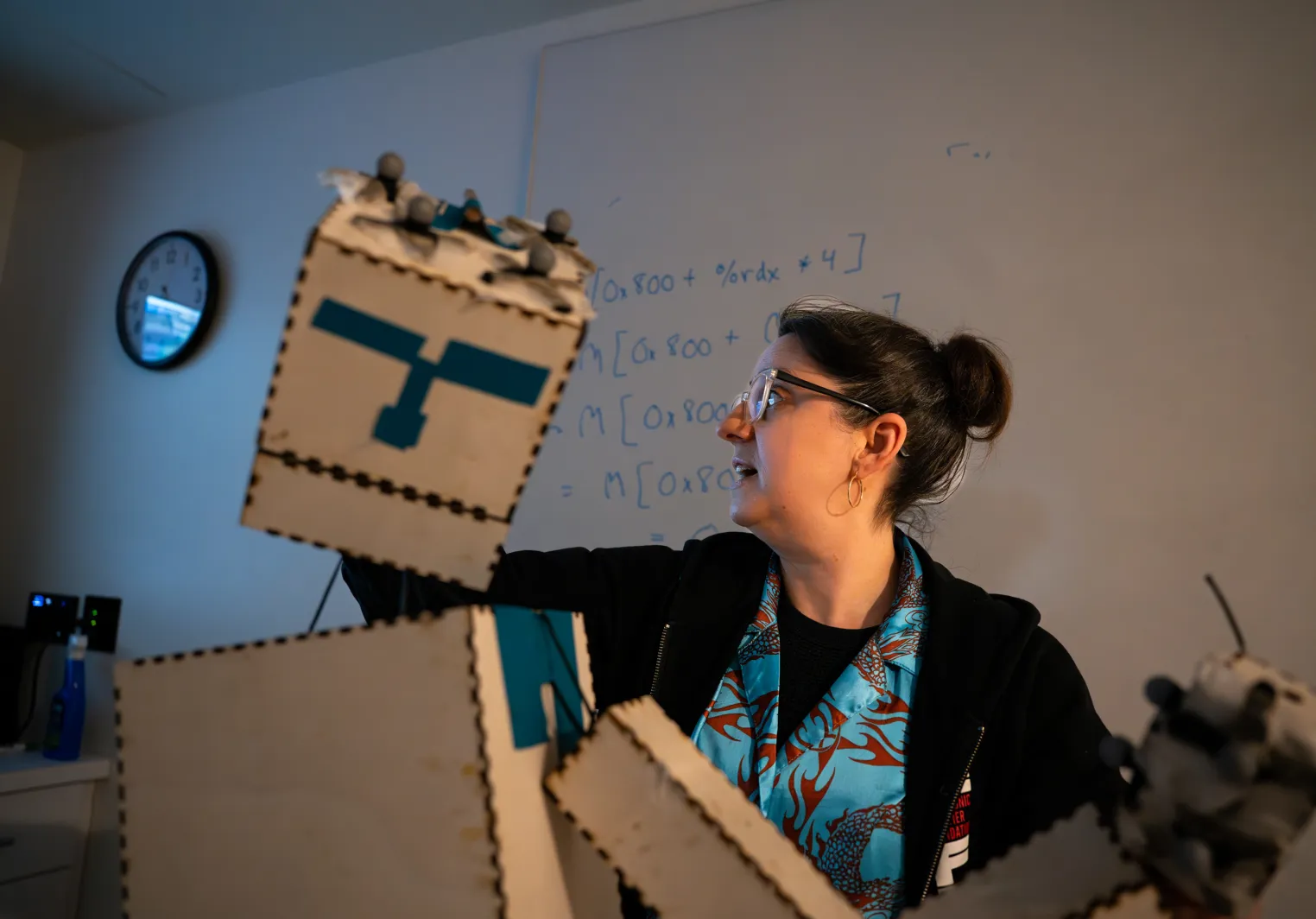
Students who research with Normoyle have the unique opportunity to combine their interests in programming and computer science with art, something that is intrinsic to designing any game or virtual reality landscape.
Normoyle's VR courses are not only open to students from computer science backgrounds, but to anyone at any level. In future courses, she would love to open the scope even wider, and have students collaborate on larger projects as script writers, 3-D modelers, and programmers. The field of video game design is multidisciplinary, Normoyle says, and the idea of creating classes to reflect that excites her.
In some of her classes, design and playability come into even greater focus. In fall 2024, Normoyle taught an intermediate elective called Game Programming, in which students applied their technical and creative skills in designing a short video for their final projects.
CMSC B283 Game Programming
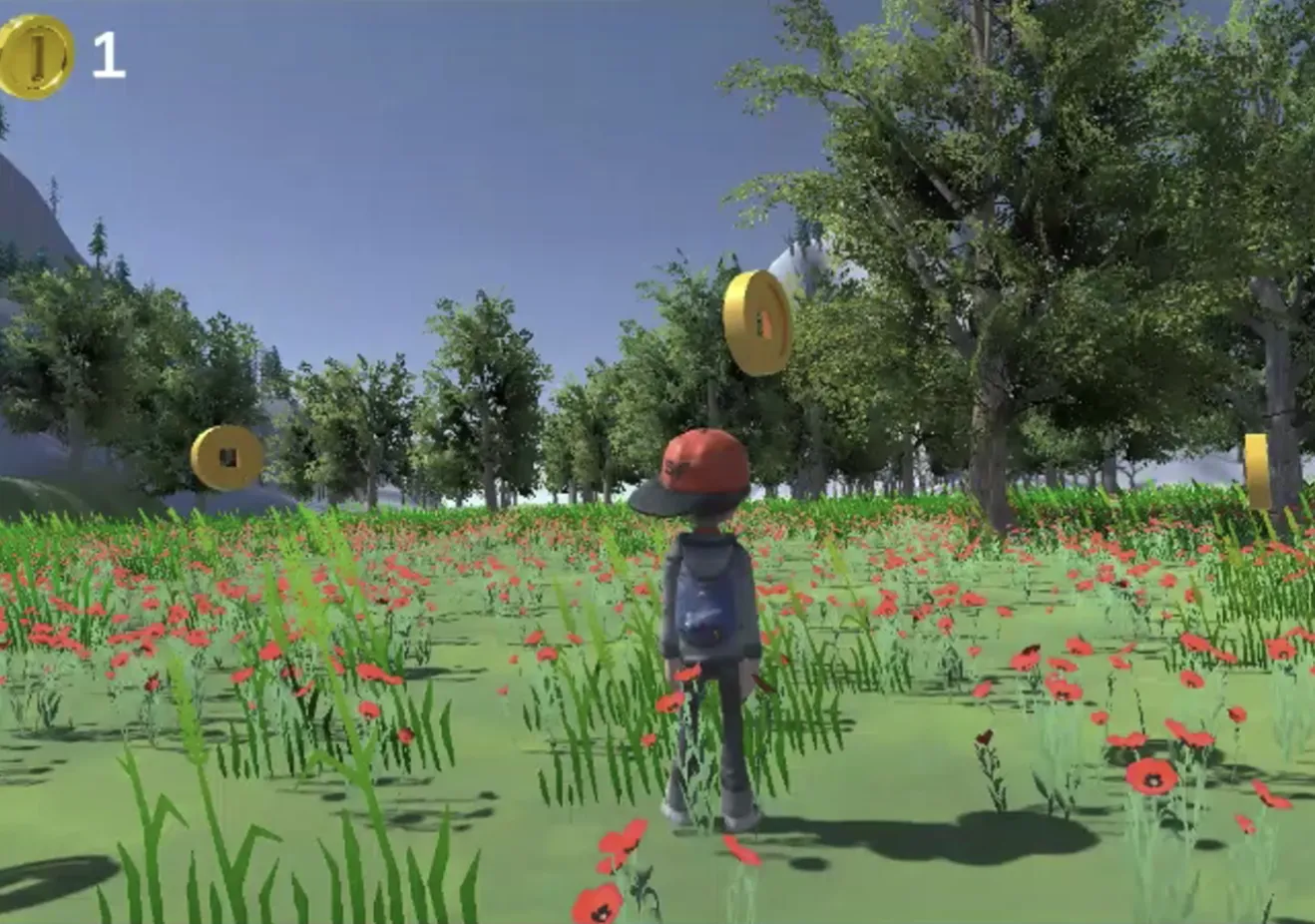
Slime Survival -Jean Rojas Nuñez '26
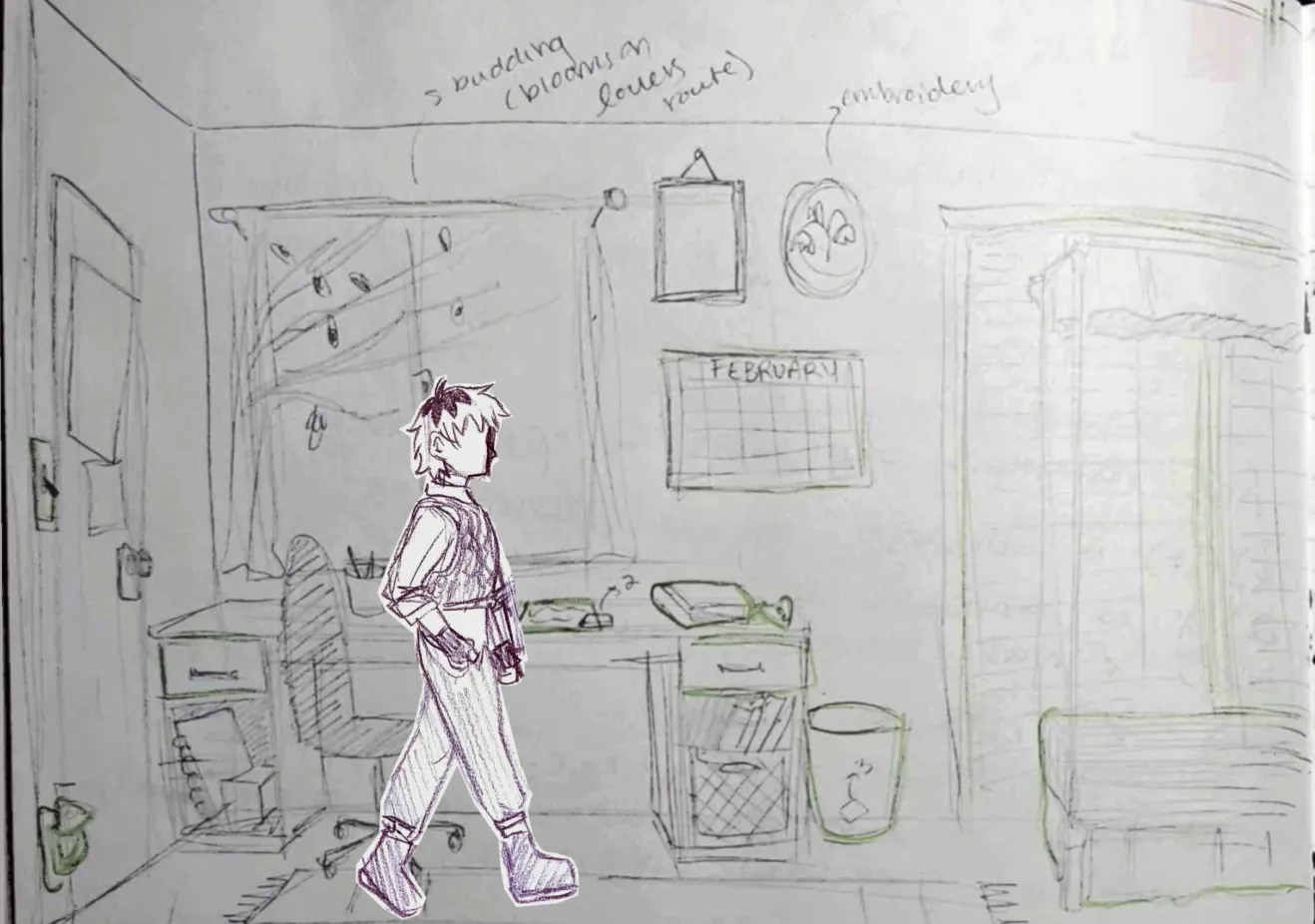
Basement Show -Renata Del Vecchio '25
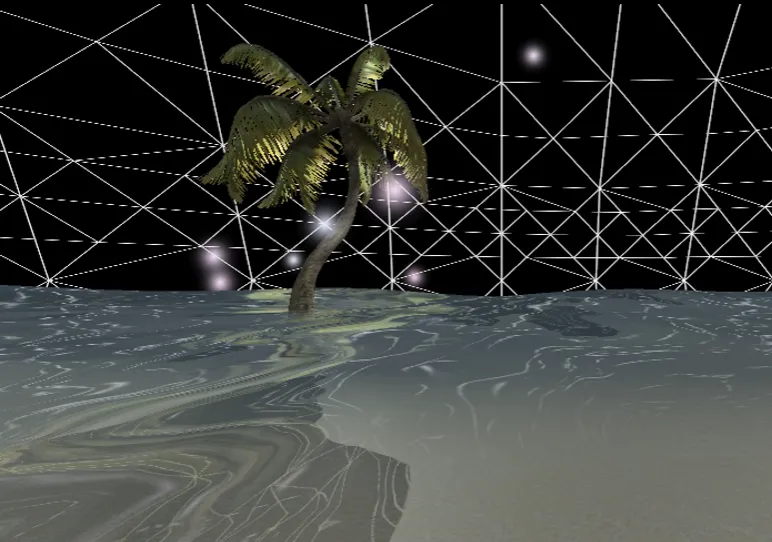
The Banana Game -Grace Swenson Hollis '25
In a given year, Normoyle can have up to five students researching with her. They all come to her with different interests and goals, but what she hopes for them is the same: discovering what is meaningful to them in the field and achieving it in a way that allows them to become their best selves. Getting into graphics can be difficult on one's own, Normoyle says, so she wants to provide stepping stones that open up future career paths.
"These concepts really do carry over to more complex systems," Normoyle says. "The first time you learn something, it's the hardest to understand. And then the next time when you see it again, it's going to be a little easier, and the next time a little easier, and the next time a little easier."

Studying Computer Science at Bryn Mawr
Computer Science is the science of algorithms- theory, analysis, design, and implementation; as well as the design and implementation of physical computer systems. Our program strives to build a strong foundation of computing in our students and prepares them for a life full of learning that extends well beyond their time at Bryn Mawr College.