
Read updates from previous Watson Fellowship winners
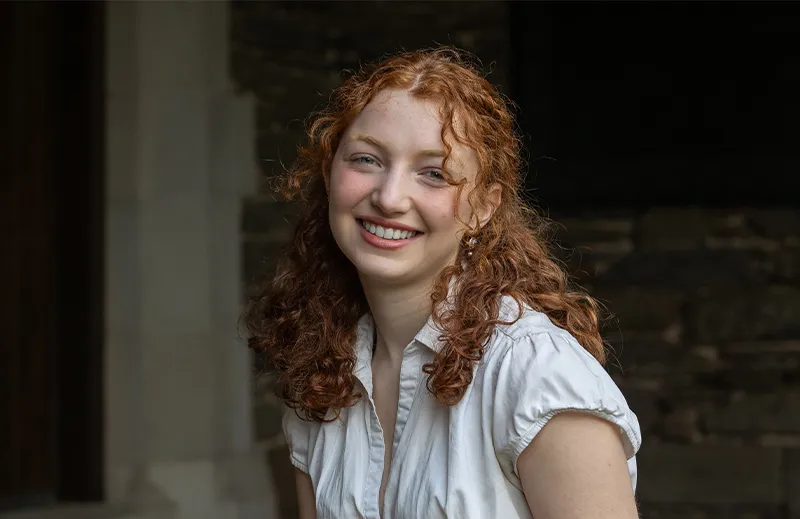
Graduating senior Hannah Epstein, a Brooklyn, New York, native and former co-editor-in-chief of the Bi-College News, will spend a year abroad studying how journalism can unite people after periods of ethnic or political violence.
''My project investigates how broadcast television, photojournalism, documentary film, and print news bridge the divide in post-conflict societies,'' says Epstein, who described her upcoming year shadowing and working alongside journalists on reporting trips as ''an unbelievably immersive experience.''
Epstein's research will take her to Northern Ireland, Bosnia and Herzegovina, Cyprus, and Indonesia as one of 40 students receiving a Thomas J. Watson Fellowship for 2026–27. The fellowships fully fund a year of nonacademic inquiry and travel by graduating seniors, allowing them to pursue a "realistic, imaginative, and personally significant" project abroad.
Epstein arrived at Bryn Mawr with a love of writing, which quickly became a passion for journalism (via the student newspaper) and world affairs (via a major in international studies, accompanied by a minor in philosophy). During her college years, she held internships at The Baltimore Sun, The Brooklyn Daily Eagle, Feature Story News, and The Dispatch, a political commentary magazine based in Washington, D.C. She’s also worked as a freelancer for The Nation magazine.
Why did she select Bryn Mawr for her college education? ''When I visited campus, I immediately knew I could see myself here,'' she says. ''I wanted a small school where students have personal relationships with professors. And the professors here are wonderful, supportive people.''
One of those professors is Macalester Bell, an associate professor of philosophy and advisor to the student newspaper. ''Since taking an ethics class with me in her first year, Hannah and I have stayed in touch, primarily in connection with her work at the Bi-College News,'' Bell said. ''I have been impressed with Hannah's courage, professionalism, and integrity in navigating a complex and challenging environment for student journalism.''
Updates from Previous Watson Fellowship Winners
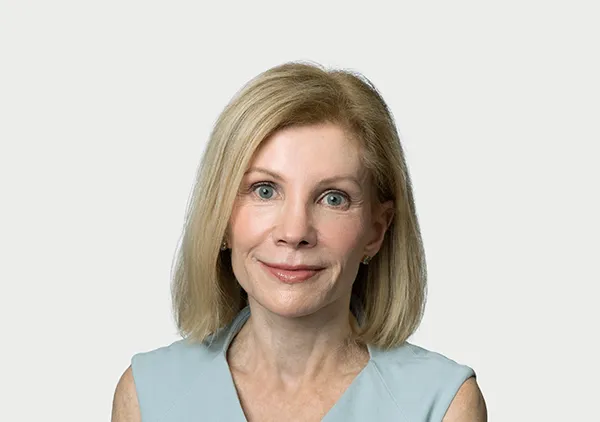
Jennifer Bellah Maguire '78, Bryn Mawr’s first Watson Fellow
My grant was for fieldwork in France and Spain to research and pursue a fictional account of the life of Jeanne d'Albret, a key figure in 16th-century France. Bryn Mawr had built my intellectual confidence, and I wanted to complement that with a more visceral, life-skill kind of confidence. There were memorable surprises, such as traveling to Pamplona in September for a quiet research week and happening upon an off-season running of the bulls. And, in my research activities, I met a French historian whom I would marry a few years later; we stayed married for over 10 years and have a son now in his 30s. In addition to these palpable experiences and outcomes, I also received a gift of self-knowledge. I embarked on my law school education and a successful corporate career with far less of the ‘road not taken’ ambivalence than I was soon to observe around me.
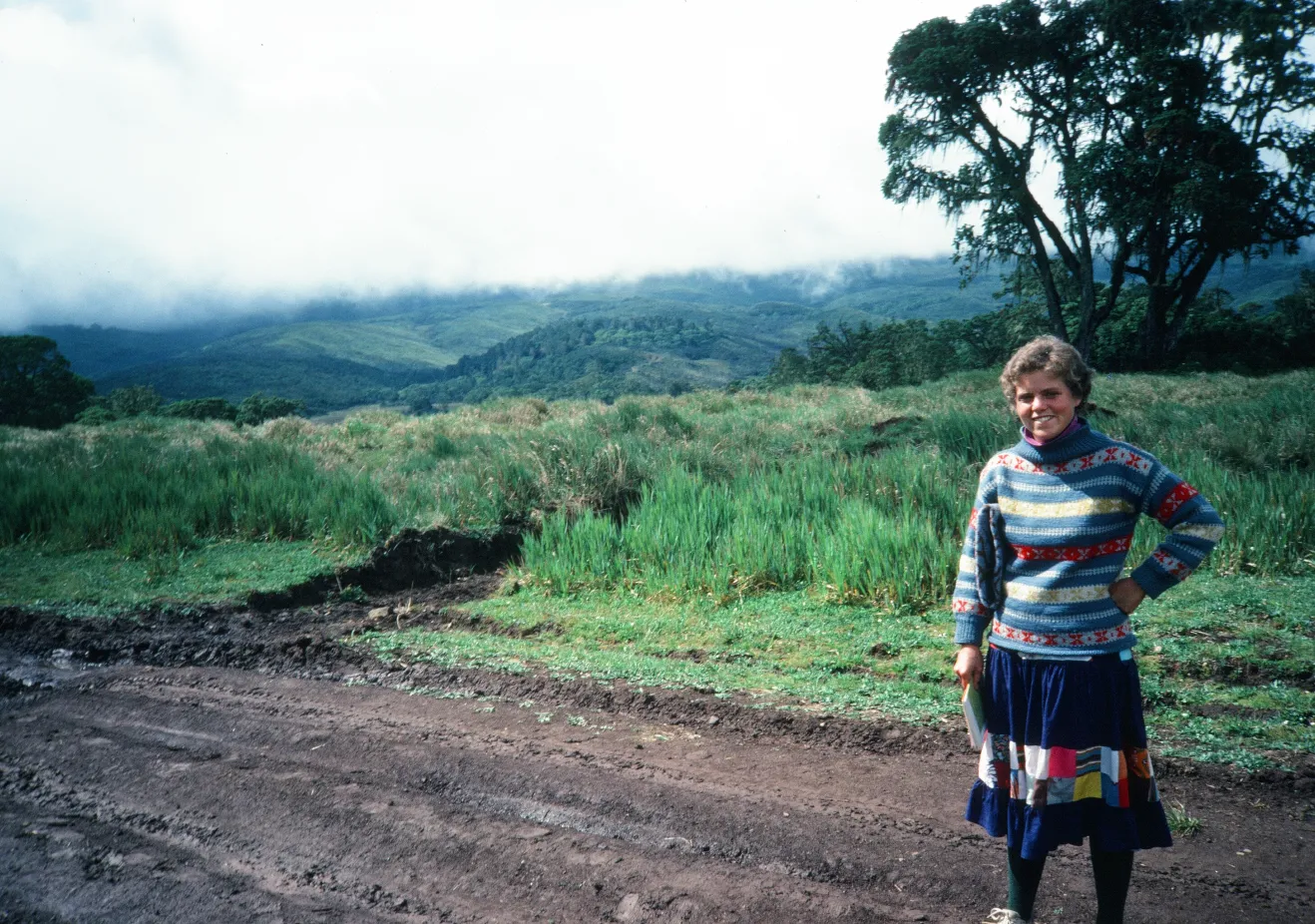
Susan Beede '83
I traveled to Kenya, Tanzania, Rwanda, the Democratic Republic of the Congo (known in 1984 as "Zaire"), and France to study national parks and nature reserves that allowed for limited human uses and, in some cases, permanent villages and farms. I wanted to know how the managers of these areas balanced the interests of wildlife, people, and the ecosystems they shared. In America, people can visit our national parks, but they can't live or farm in them. I'm retired after a wonderful career working primarily for the U.S. Environmental Protection Agency, the Organization for the Assabet River, and the Massachusetts Rivers Alliance to restore and protect rivers, streams, estuaries, and bays in New England.
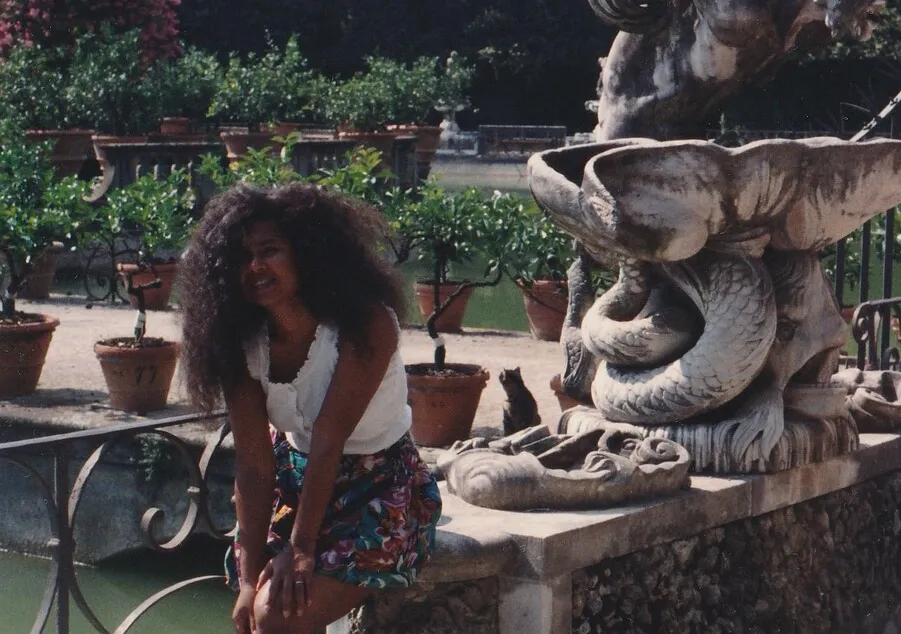
Layla AbdelRahim '93
I studied the interactions between immigrant Muslim women and health and legal institutions in France, England, Sweden, and Russia, and attended conferences and conducted interviews in Germany, Belgium, the Netherlands, and Italy. The comparative aspect of this research opened my eyes to the deeper roots of civilization and its broader implications. Thus, the year had a profound impact on my professional path, leading to earning a master's degree at the Centre for Research in International Migration and Ethnic Relations (CEIFO) at Stockholm University. I later embarked on doctoral studies, wrote two books on civilization and the domestication of humans, and am now working on forthcoming book projects about war, economics, and much more.
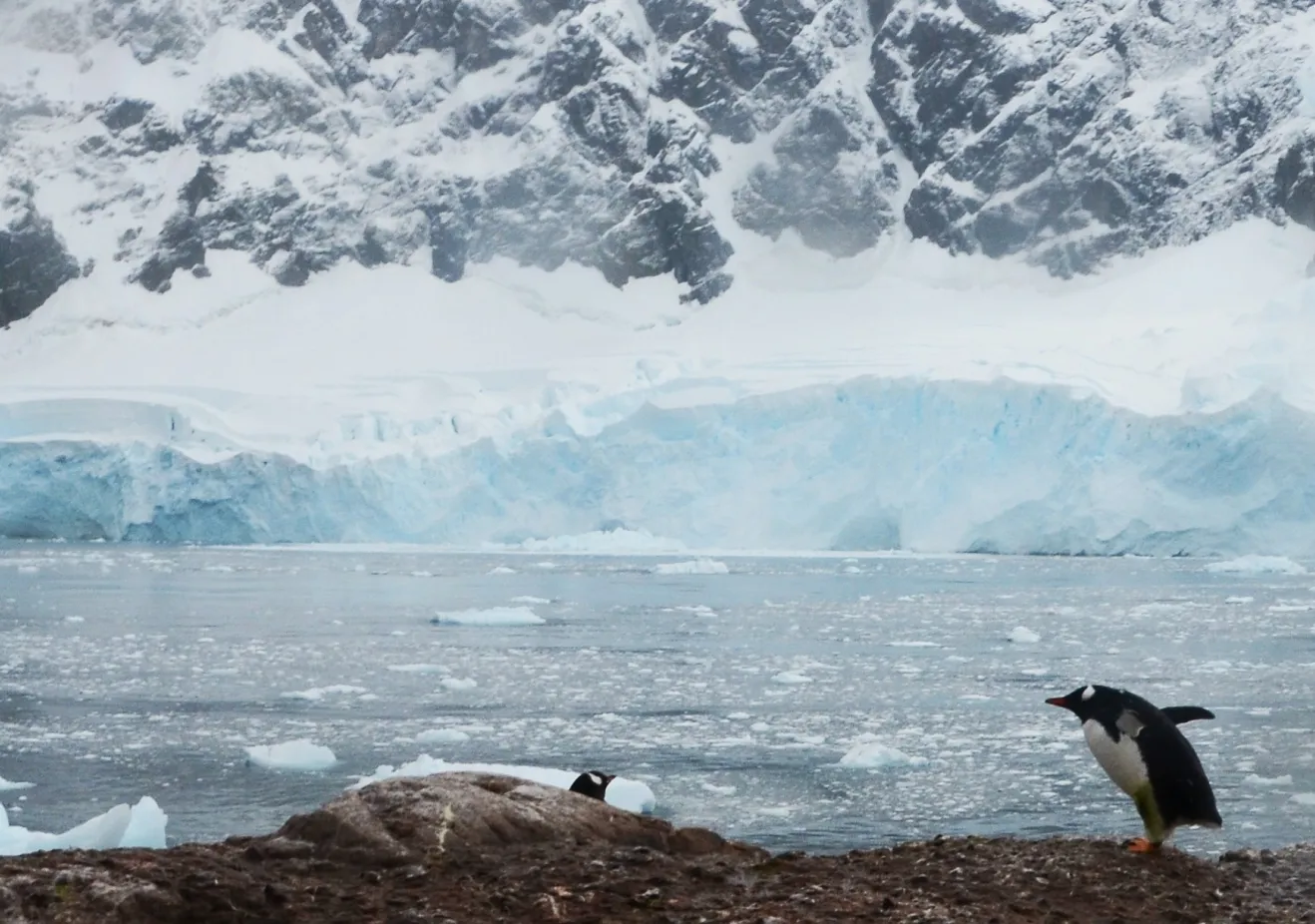
Anne Zink '00
My Watson Fellowship explored the impacts of tourism on culture and environment across three very different settings: Nepal, Antarctica, and Botswana. The Watson planted seeds I didn't fully recognize at the time. What started as questions about tourism's impact on culture and environment gradually became questions about how where you live, what you do, and how what surrounds you shapes your health. That curiosity led me to medicine and eventually to public health. I practiced emergency medicine for nearly two decades, served as Alaska's Chief Medical Officer during COVID-19, and am now a senior policy fellow at the Yale School of Public Health. The Watson taught me to pay attention to the systems around people — not just the people themselves — and that instinct has guided everything since.
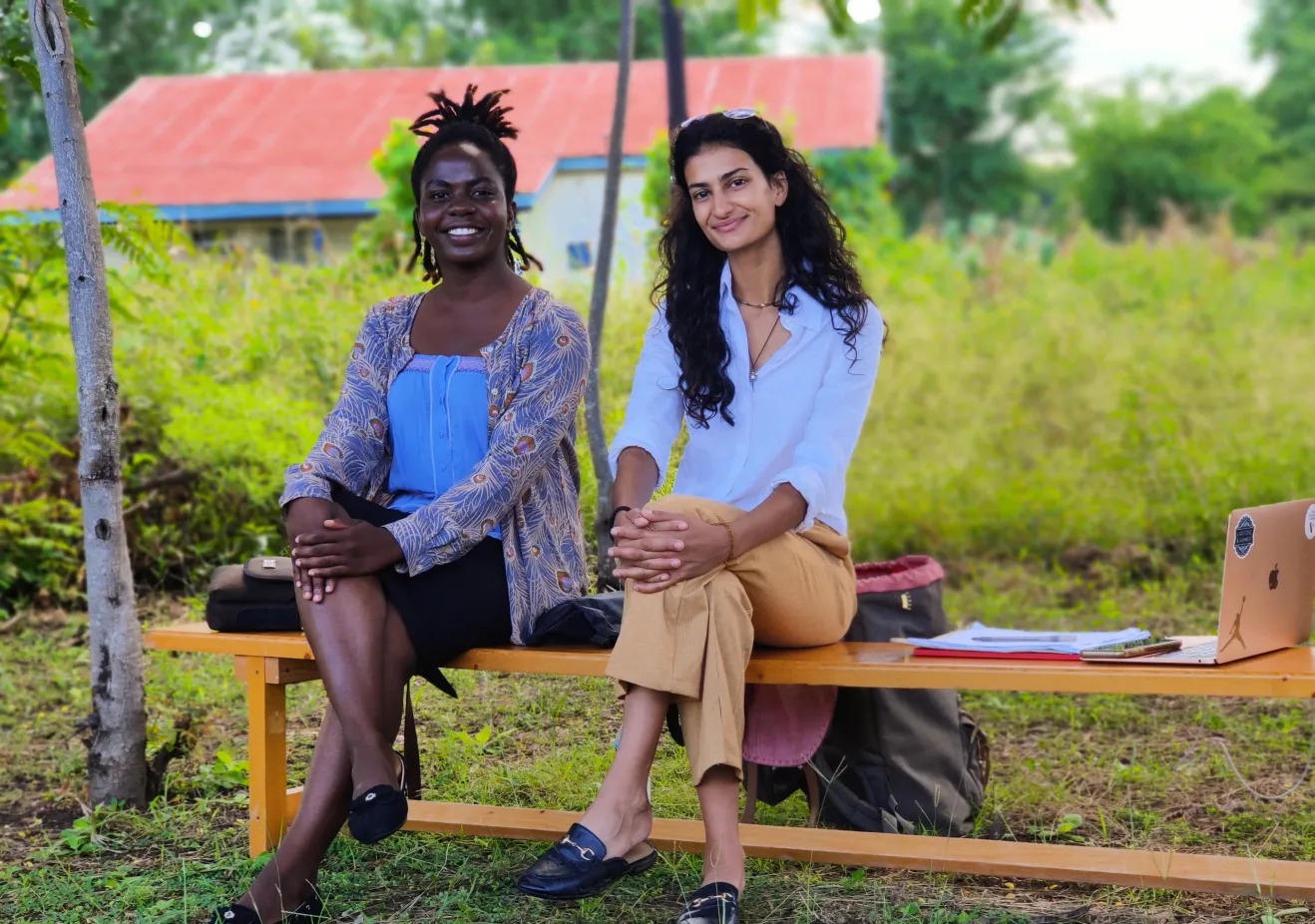
Noor Banihashem Ahmad '20
I explored how communities and collectives came together to respond to sexual harm. I visited more than 10 countries that year, but the highlights were Nepal, Kenya, Malawi, Scotland, and Australia. My Watson year showed me that we are capable of far more than we often imagine, especially when we learn to trust ourselves and others. I hold the stories of each person I spoke to close to my heart, and I am thankful to them every day for their courage and bravery. I am now entering my fourth year of medical school at Penn State. The fellowship gave me tools to approach medicine in a more humanistic and culturally sensitive way. I hope to pursue a career in urologic surgery, with a focus on reconstruction, gender-affirming care, and sexual medicine.
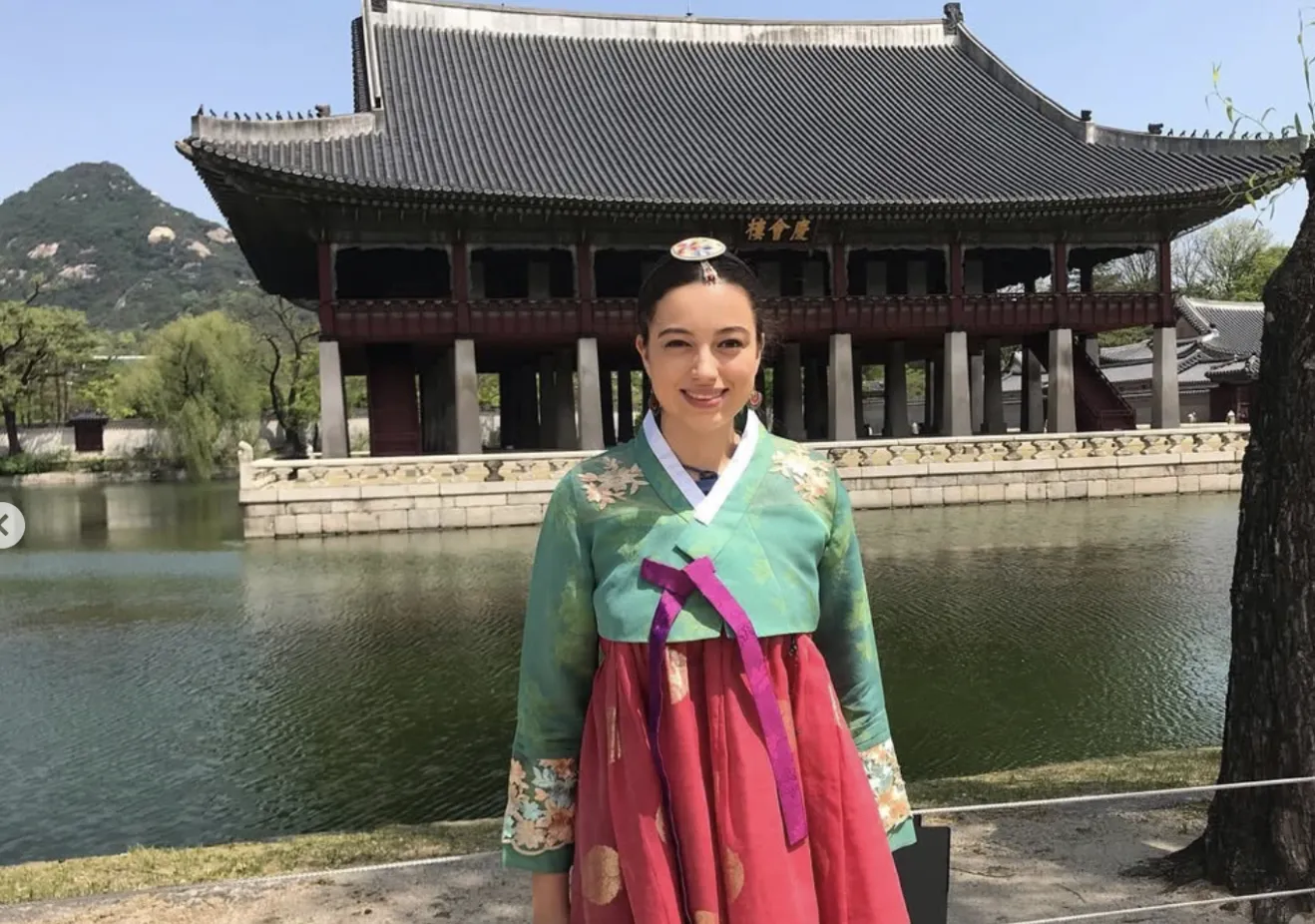
Gretel Cuevas Verdin '20
I traveled to 12 countries in Africa and Asia to explore the impact of collective narratives on social and political processes. My time in Ghana showed me the significant role of mining in the current tech-energy transformation and inspired me to research the supply chains of critical minerals as part of my master’s degree in development studies at Cambridge University. I am now working with the Climate for Compatible Growth, which engages with governments in Asia and Africa to create resource-governance frameworks.
Zijia Zhuang '21
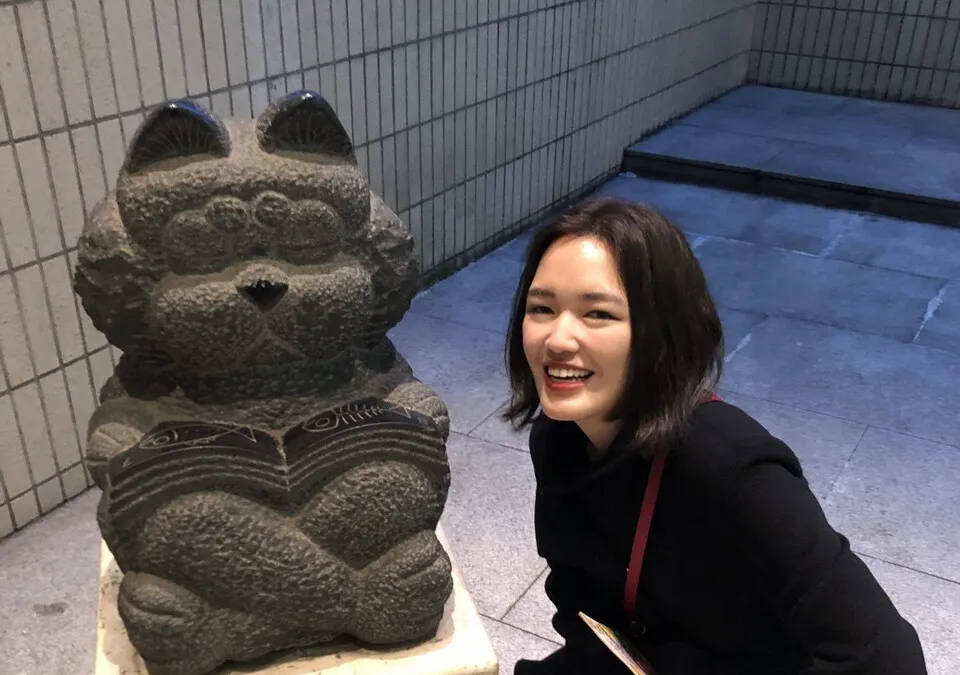
My Watson project "Who Is Reading to Children?" took me to Malaysia, Italy, Germany, Japan, Korea, and Hong Kong. I collaborated with NGOs, children's bookstores, libraries, local schools, and book festivals, all dedicated to promoting literacy and fostering parent-child reading experiences. I'm currently a program developer at Chinese Culture Connection, a nonprofit in Malden, Massachusetts, where I focus on cross-cultural arts programming and community building. One project I'm especially proud of is building a bilingual community library in Malden, stocked with high-quality children's books for immigrant families. I also do freelance work in children's books. Most recently, I was approached by Phaidon to do a cultural review for an upcoming picture book about the Chinese zodiac, which will be published this October.
Olivia Colace '25
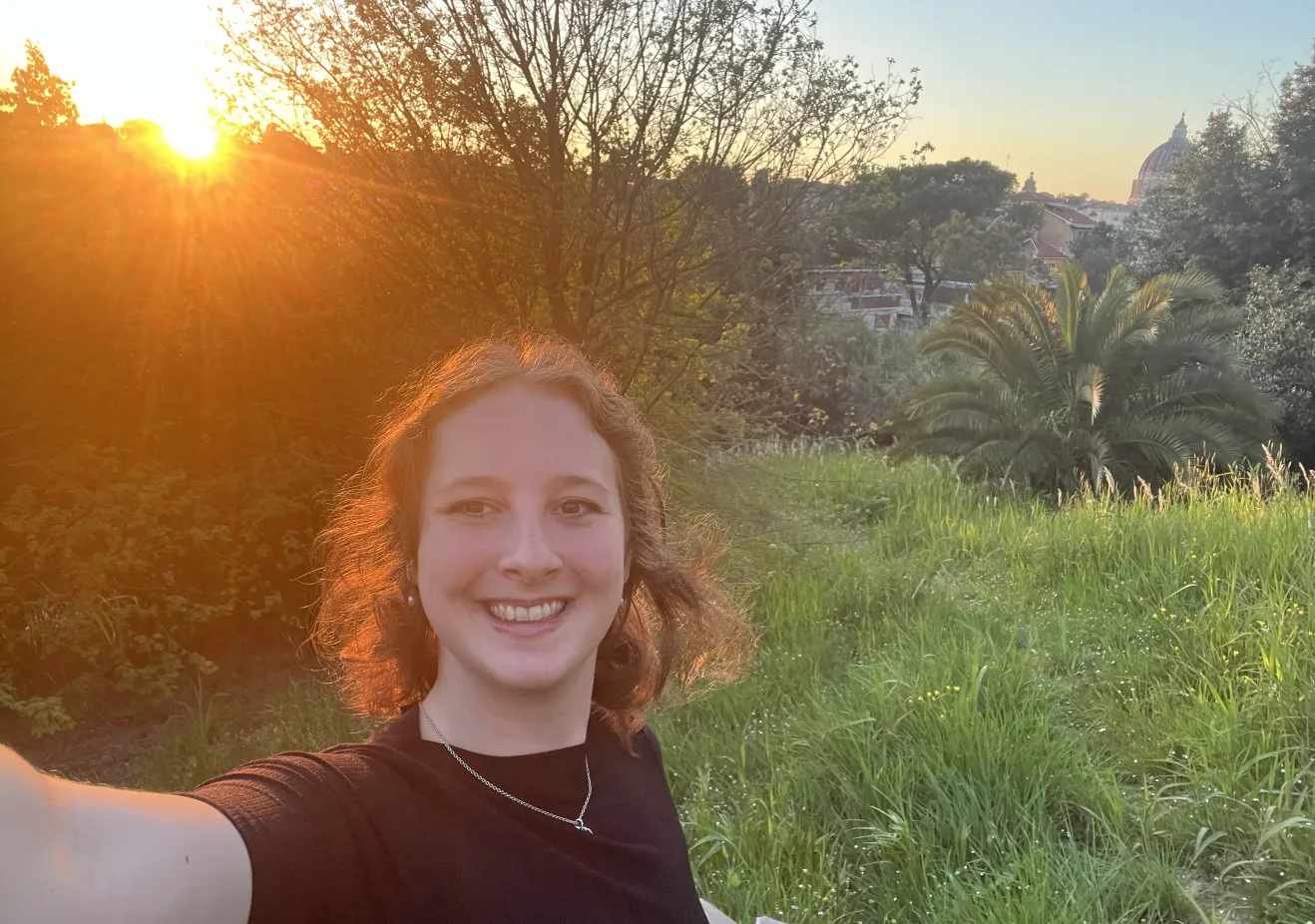
So far in my Watson year, I've traveled to the United Kingdom, Norway, the Philippines, and Italy to study choral music — what, when, where, why, and how people sing together. I'm currently in Rome, and I had the privilege of hearing the Sistine Chapel Choir as they supported the Papal celebration of Easter. I'm visiting more choirs all over Europe in May and finishing off my year in South Africa.