
The Curators of the Class Notes
Interviews with three of our longest-serving Class Editors
Bryn Mawr's class notes are in a class of their own. Regularly running more than 35,000 words across eight decades, carefully compiled by dedicated Class Editors, the class notes keep Mawrters not just updated on each other’s lives but also deeply connected.

Judith Bailey ’63
Chatham, New Hampshire
Class Editor since 1973
Bailey, who shares class editor duties with Liz Sharpless, was a public-school teacher for more than 30 years, teaching high school, special education, and ESL. While living in New Mexico in the early 2000s, she volunteered at a wildlife refuge along the border, including teaching English to Mexican children. These days, she spends a lot of time with her family and grandchildren.
How did you become Class Editor?
I’ve been doing it since our 10th reunion, and I don’t know what I was thinking when I agreed to do it (laughs). I think initially, I used to view it as something I was going to get graded on, like a freshman comp ... I’m much more relaxed about it now. It continues to be a pleasure to hear from classmates.
Another reason I kept doing it is, being a retired public-school teacher, it’s been a way I can contribute to the College over the years, and that has meant a lot to me.
What are the hardest, and the best, parts of the job?
I think my classmates felt that it was a place to present accomplishments, that they were under pressure to measure up. That’s much less true now. Part of that is age and part of that is we have encouraged people to share personal things about their lives, not just accomplishments — and I have a very accomplished class.
It’s very gratifying to do. My Bryn Mawr education continues to give over the decades, and I continue to reap the benefits of it.
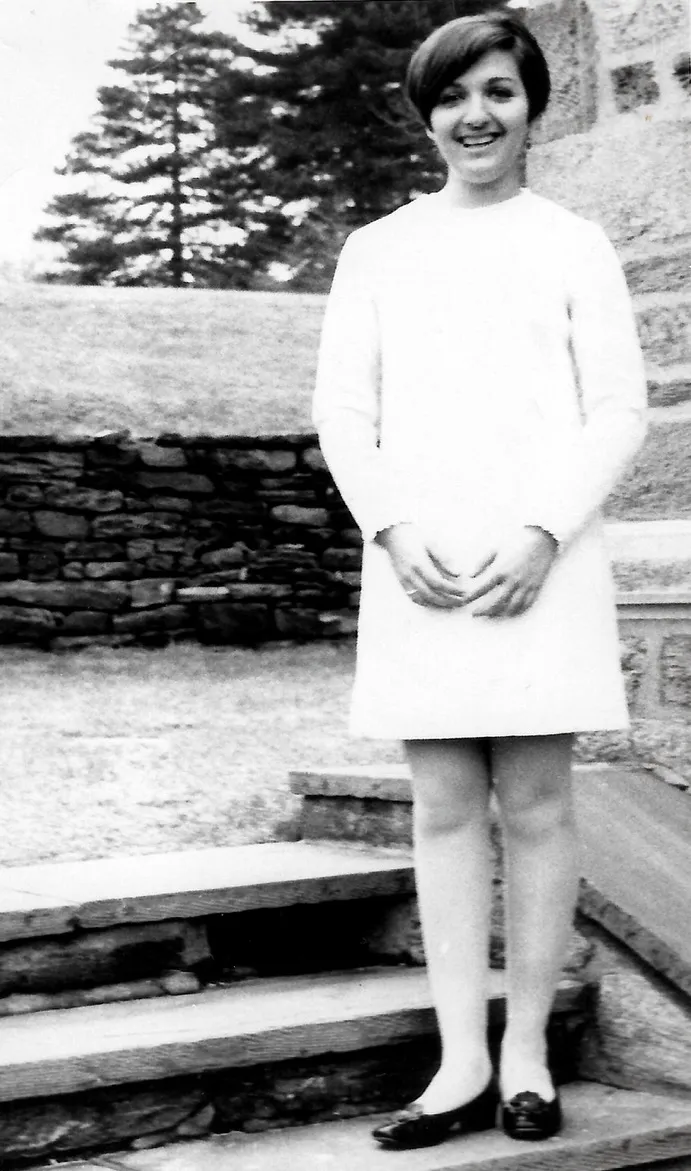
Tina Levine ’69
Kensington, California
Class Editor since 1994
Levine is the former director of the Health Effects Division of the Office of Pesticide Programs at the EPA. Since retiring in 2011, she has focused on political volunteering as well as singing in choruses, knitting, playing mahjong, and spending time with her family and grandchildren.
What is the most memorable note you ever received?
I got a class note from the grave. There was a member of our class, Nancy Henderson, and she was a poet and frequently sent me notes, and she was dying; she had liver failure. I think I heard that she had died, and a few days later I got this package in the mail from her. She had sent several notes over the years, sometimes publicizing her poetry, and part of the package was thanking me for including those notes in my column.
Have you become friends with anyone you weren't close to in college?
I have a story that’s not a class notes story, but it’s a beauty.
I used to jazzercize, and I had one of these T-shirts that said “Mawrter” on it. I would wear it in Virginia; nobody knew what it was, but it always started a conversation. I was going to try different jazzercise places when I moved to Kensington, so I put it on and went to this place … and this woman comes up to me, and she said, “Did you go to Bryn Mawr?” I said yes and asked her if she did. When she nodded, I asked her name. She said, “My name at Bryn Mawr was Alice Leib.” Alice Leib (class of 1967) lived across the hall from me freshman and sophomore year!
It doesn’t surprise me that the alumnae/i network is so good, because the class notes are an extremely rich source of connectivity.
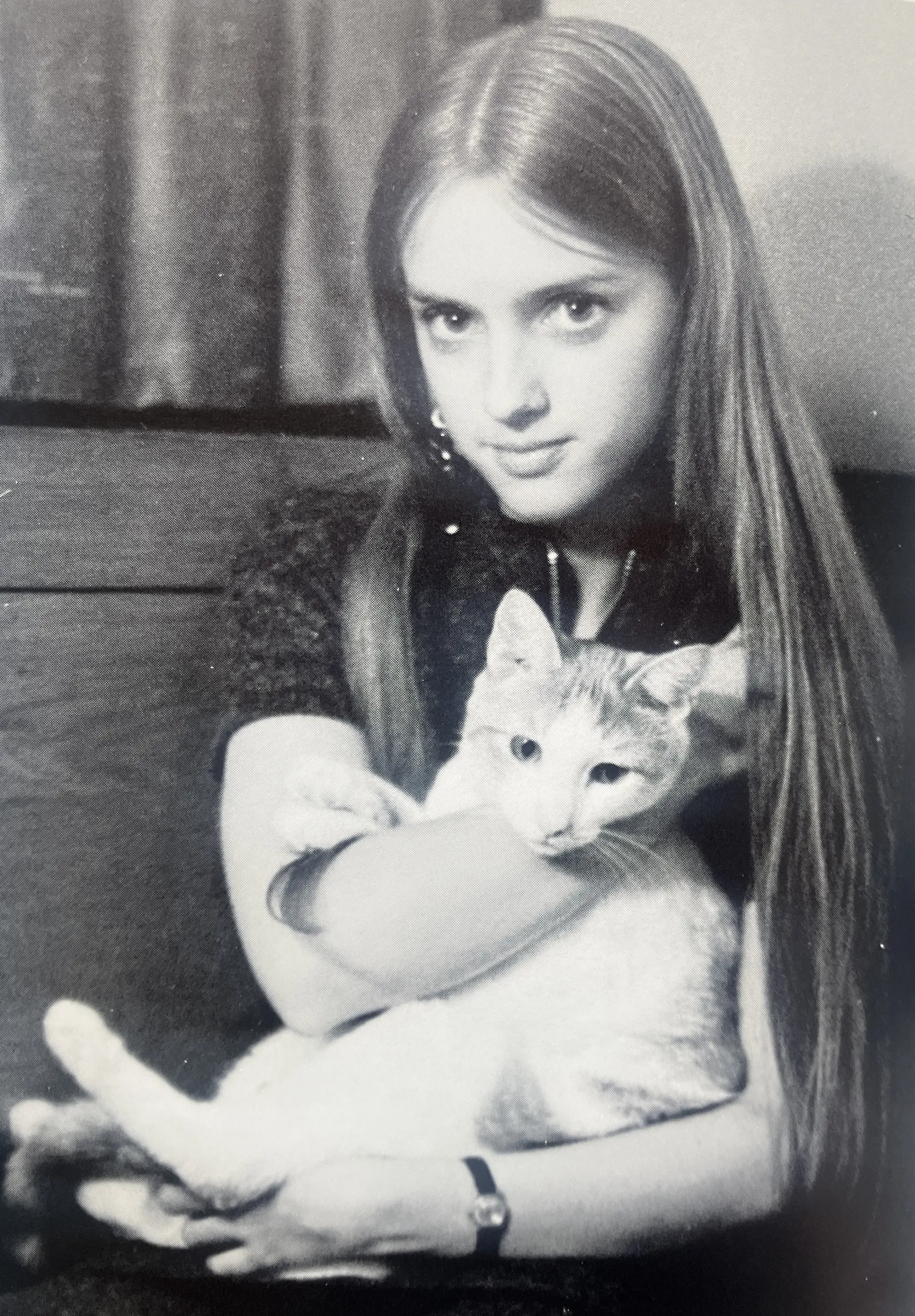
Terry Steiner Sisk Graybill ’71
Elkins Park, Pennsylvania
Class Editor since 1981
Graybill is a graphic designer, writer, editor, and marketer. She volunteers as publications head of Philcon and as head of the Hugo Review Panel of the Philadelphia Science Fiction Society, for which she reads more than 3,000 pages each year.
How did you become Class Editor?
I edit professionally, so I thought, why not? I discovered I liked it.
What is the best part of the job?
Staying in touch with people. I love it. It’s a guaranteed time that I’m talking to somebody in the class. It’s so lovely and personal. There’s a shared place in life we all are as we travel along, and I have a strong sense of it in hearing from people.
There are people I did not know in college I’ve come to know through the notes, and some have become friends since then, that I’m delighted to hear from, and that’s a lovely gift.
What is the hardest part of the job?
Almost always, it’s writing the obituaries. I’ve always tried to make the obituaries be people’s memories of a person, whether at Bryn Mawr or, ideally, since. What happened in their lives, what mattered to them — that’s what people want to hear. It’s a way of honoring somebody and I feel it’s a gift I can give them.
There was a helicopter crash in 2006 in Nepal, and Margaret Alexander was onboard. It was a shock, and so sad; Margaret was such a live, vital, intelligent, funny person … When I put the call out for anyone who had memories, we were just flooded with people who did not normally reply. That stays in my memory as just so powerful. It lets you see what matters in life.
This story is #25 in our "26 Things to Love About Bryn Mawr in 2026" spring issue of the Bulletin.
Published on: 05/11/2026