

Graduate School of Social Work Receives Gift from Alumna Judy Karofsky '63
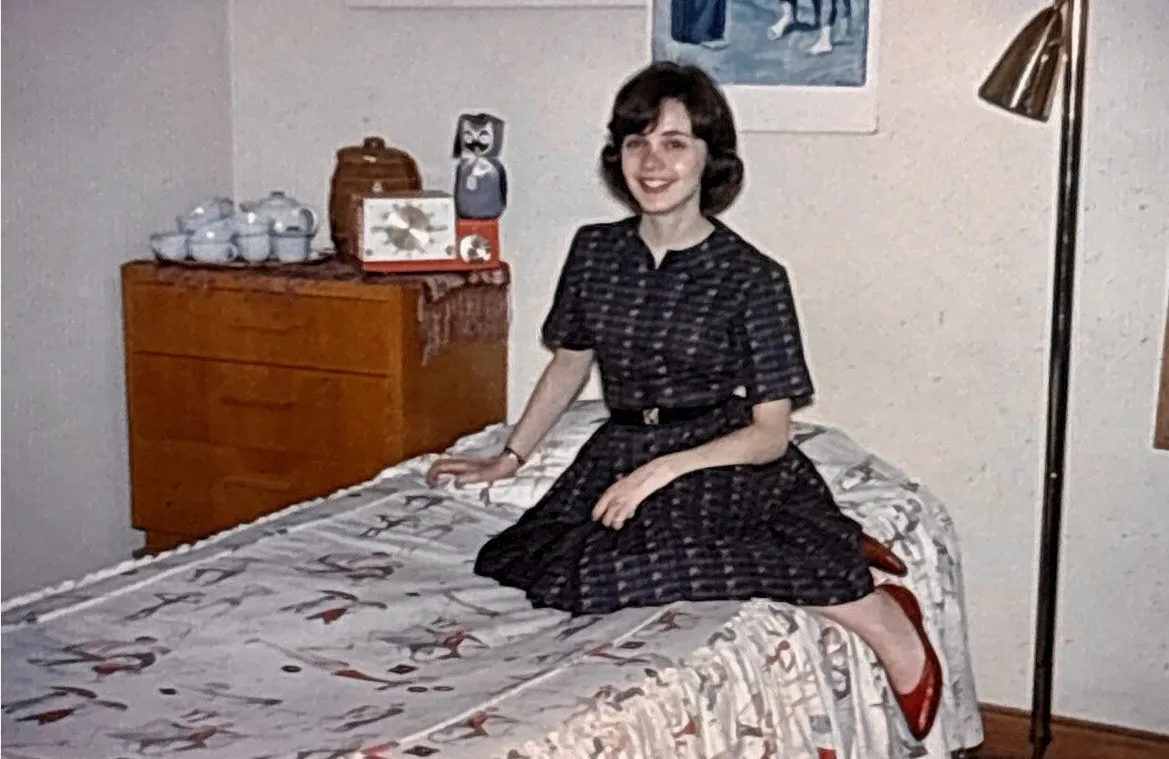
Judith Deutsch Karofsky '63 left her native Boston to enroll at Bryn Mawr College in 1959. She had just turned 17. She graduated with an economics degree and, after spending her early post graduate years in the Boston area and earning an M.A. in American history from Brandeis University, she set off to make a life for herself in Madison, Wisconsin. She earned an M.S. in business from the University of Wisconsin along the way.
The 84-year-old Karofsky returned to campus 63 years later, in April 2026, to meet with campus leaders about making a $1 million gift to Bryn Mawr's Graduate School of Social Work and Social Research (GSSWSR). The gift will support initiatives for graduate-student practicums, curriculum development, and research related to the elder-care and death-and-dying fields.
The six decades between Karofsky's graduation and her gift encompassed a life lived in full. She became one of Wisconsin's first women mayors (Middleton); held multiple roles in housing and economic development; founded her own real estate research firm; served on numerous nonprofit and municipal boards; and became an influential voice on affordable housing, historic preservation, and regional growth.
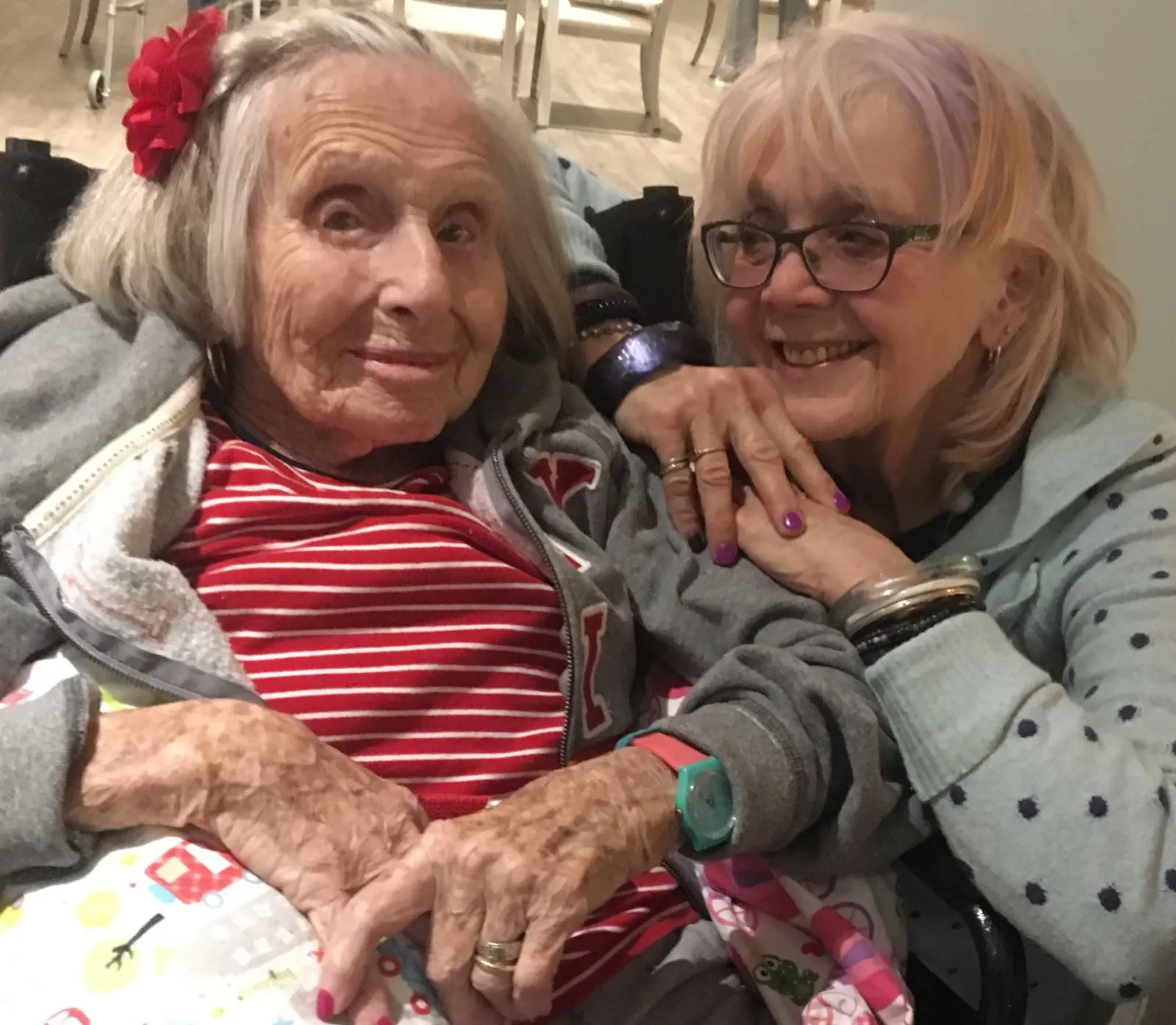
But her most significant role resulted not from an opportunity pursued, but from a challenge thrust upon her: caring for her elderly mother in today's American healthcare system. Karofsky chronicled her mother's heartbreaking journey through six assisted living facilities and hospice care in her 2025 book, DisElderly Conduct: The Flawed Business of Assisted Living and Hospice (New York, NY: New Village Press).
"The structure of care for the elderly, including the economic model and incentives of these care models, are often not informed by what we already know older adults need to truly thrive," says Janet Shapiro, dean of the GSSWSR. "It is important that we consider well-being from a holistic perspective and address issues such as social isolation and the need for coordinated care. Social workers understand these issues and can support the well-being of older adults, yet many assisted living facilities do not have social workers on staff."
Heart disease, diabetes, and cancer are the three main medical problems that bring people to hospice, Karofsky told a Wisconsin Public Radio interviewer recently, but "my mother had a more lingering situation: She was aging. Aging was actually what my mother was dying from."
Funding for her mother's hospice care was discontinued when her mother was well beyond her 99th birthday, because she was no longer expected to die within six months. Her mother died shortly before her 100th birthday.
Karofsky, who remains active in the research and public policy arenas, praised the Graduate School of Social Work and Social Research for its trauma-informed curriculum that prepares students to be aware of, and responsive to, the impacts of trauma on individuals, families, organizations, communities, and the broader society.
Since the publication of her book, Karofsky has done more than two dozen podcasts and other interviews. "There has never been a time when someone interviewing me didn't say, 'We're facing something like this right now,'" Karofsky says. "And they always ask me, 'How did you get through it?'
"How do any of us get through it? Every morning, I wish I could still take care of my mom. But that kind of caretaking is nothing less than a traumatic experience, even on its best days."
The Population Reference Bureau predicts that the number of Americans ages 65 and older will increase from 58 million to 82 million by 2050, a 42% increase. The World Health Organization estimates that by 2030, one in six people worldwide will be 60 or older.
"Our society is aging, and we need to provide education and support for social workers who will in turn provide support for older adults and their families," Shapiro says. "Judy's generous gift will help make that happen."