


Growth and Structure of Cities
Why Study Growth and Structure of Cities at Bryn Mawr College?
People have created urban life across history and cultures. The Growth and Structure of Cities program explores the changing forms of the city over time.
Whether you're interested in city planning, architecture, urban history, ecology, or social and economic issues, you will find a home in our program.
Growth and Structure of Cities Degree Options
You can major or minor in Growth and Structure of Cities, with the opportunity to focus on Architecture.
Programs Related to Growth and Structure of Cities
We regularly collaborate with other programs and departments in the Bi-Co and Tri-Co. Here are the programs we work with:

Growth and Structure of Cities Course Highlights
CITY B185 Urban Culture and Society
Examines techniques and questions of the social sciences as tools for studying historical and contemporary cities. Topics include political-economic organization, conflict and social differentiation (class, ethnicity and gender), and cultural production and representation. Philadelphia features prominently in discussion, reading and exploration as do global metropolitan comparisons through papers involving fieldwork, critical reading and planning/problem solving using qualitative and quantitative methods.
CITY B226 Introduction to Architectural Design
This studio design course introduces the principles of architectural design. Suggested Preparation: drawing, some history of architecture, and permission of instructor.
CITY B190 Form of the City: Histories of the Built Environment
This course studies the city as a three-dimensional artifact. A variety of factors, geography, economic and population structure, politics, planning, and aesthetics are considered as determinants of urban form.
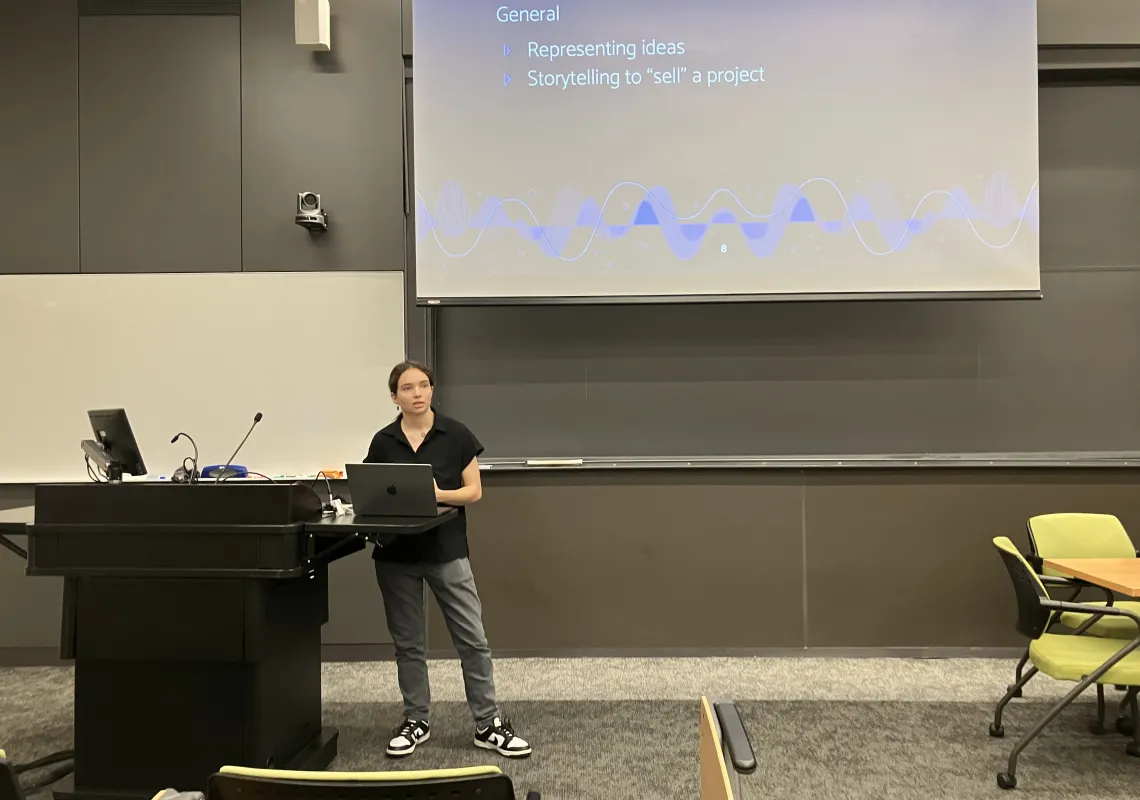
GIS Day 2025 at Bryn Mawr College
Growth and Structure of Cities Internships



Cities Faculty Spotlight

Min Kyung Lee
Associate Professor of Growth and Structure of Cities
Min Kyung is a historian of architecture and cities. Her education includes urban sociology and oral history.
Her current research area relates to migration histories.
A Bright Future
How cities grads are lighting their paths
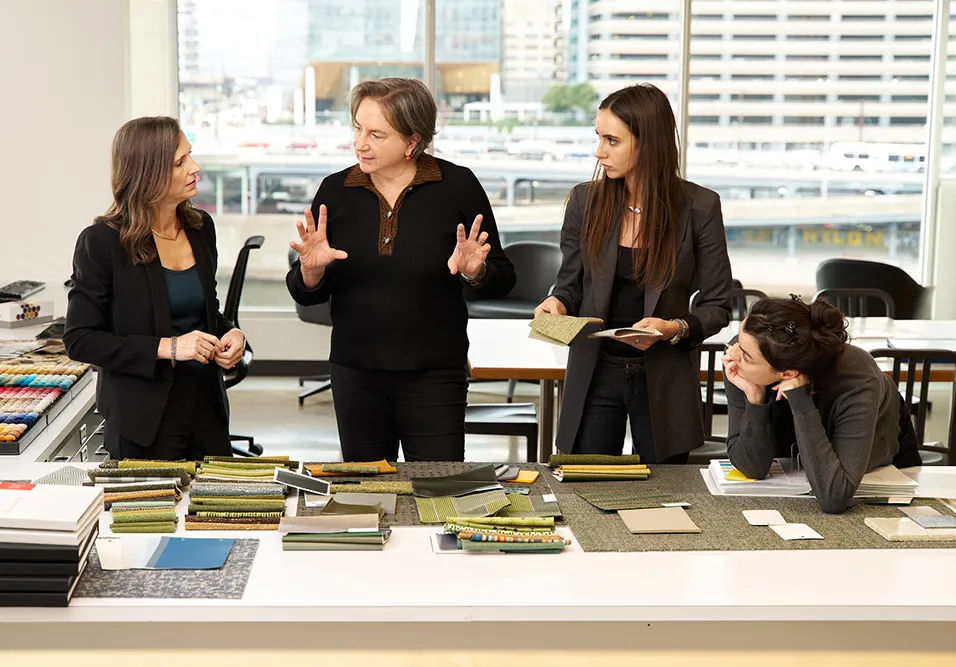
Daniela Holt Voith '75"I don’t tolerate guys who are trying to control, or subdue, or repress. I work best for people who are happy to have a powerful woman on their team.”
Opportunities for Growth and Structure of Cities Majors

Research
In the Growth and Structure of Cities department, you have the opportunity to do research that benefits communities in concrete ways. In recent years, one student took her undergraduate research on public transit systems and used it to develop safer commuter bike routes in Philadelphia.

Internships
Internships let you experience a professional work environment and begin building your network while you are still an undergrad. Some recent cities internship organizations include the Philadelphia Mural Arts Program and the Chinese Community Land Trust in Boston.

Study Abroad
Study abroad is a great chance to learn about the growth and structure of cities around the world! If you're interested in studying abroad, talk to your advisor about which programs best fit your career goals.
Growth and Structure of Cities FAQ
Here are some questions you may have about Growth and Structure of Cities, and their answers.
Our alumnae/i have diverse interests and careers. Many go into architecture, public service, academia, or business.
While you can choose to make architecture your focus in the Growth and Structure of Cities program, architecture is not the full scope of the cities major. We want you to be able not only to plan a building or space, but to understand how that design will impact its use and interaction within the community.
You need to take at least some architectural history courses, but you are not required to take architecture studio courses.
Africana Studies, Education, Environmental Studies, Gender and Sexuality Studies, Health Studies, History, History of Art, International Studies, Middle Eastern Central Asian Near Eastern Studies, Peace and Conflict Studies, Political Science, and Sociology are all great companion programs to Growth and Structure of Cities, depending on your career goals.
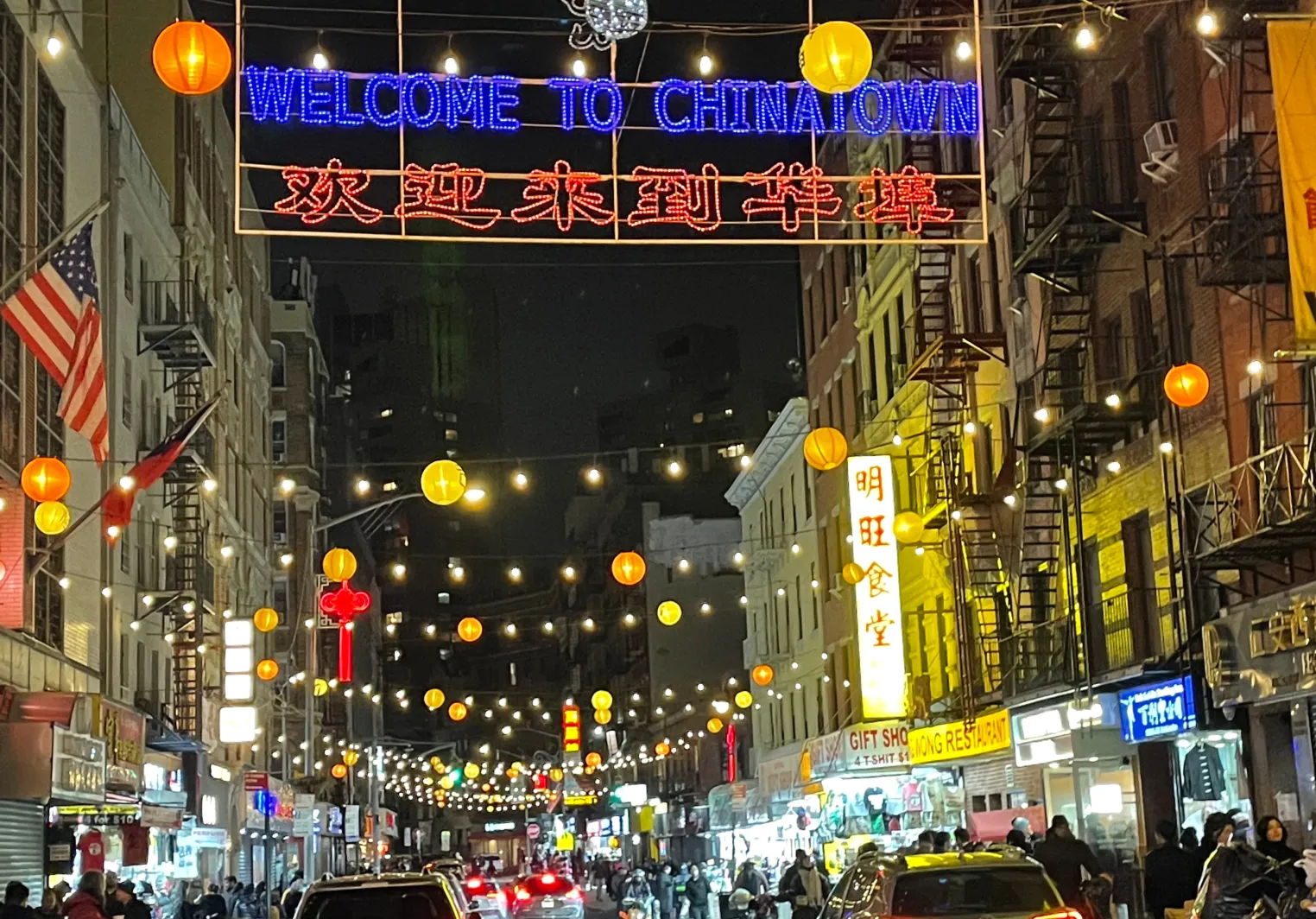
Celebrating a World of Chinatowns
Every Lunar New Year, media coverage often begins with an ornate Chinatown gateway, a symbol of celebration and tradition. But for Professor Gary McDonogh of Bryn Mawr's Growth and Structure of Cities Department, those gateways are only the beginning.
Social Science News
Growth and Structure of Cities is part of a rich field of social sciences at Bryn Mawr College. Here's what's new



Contact Us
Growth and Structure of Cities
Old Library
Bryn Mawr College
101 N. Merion Avenue
Bryn Mawr, PA 19010
Phone: 610-526-5334