Saltwater, Sediment, and Study: Spring Break in Action
March 26, 2026
Each spring and fall, academic departments and programs, as well as student groups, sponsor a wide range of trips and activities, many of which are funded by the College. This spring break, photographer Carlos Romero joined three Geology Department faculty members and students from the geology course Sedimentary Materials and Environments and the advanced topics course Carbonate Environment as they did fieldwork in the Florida Keys.
Reading the Florida Coastline
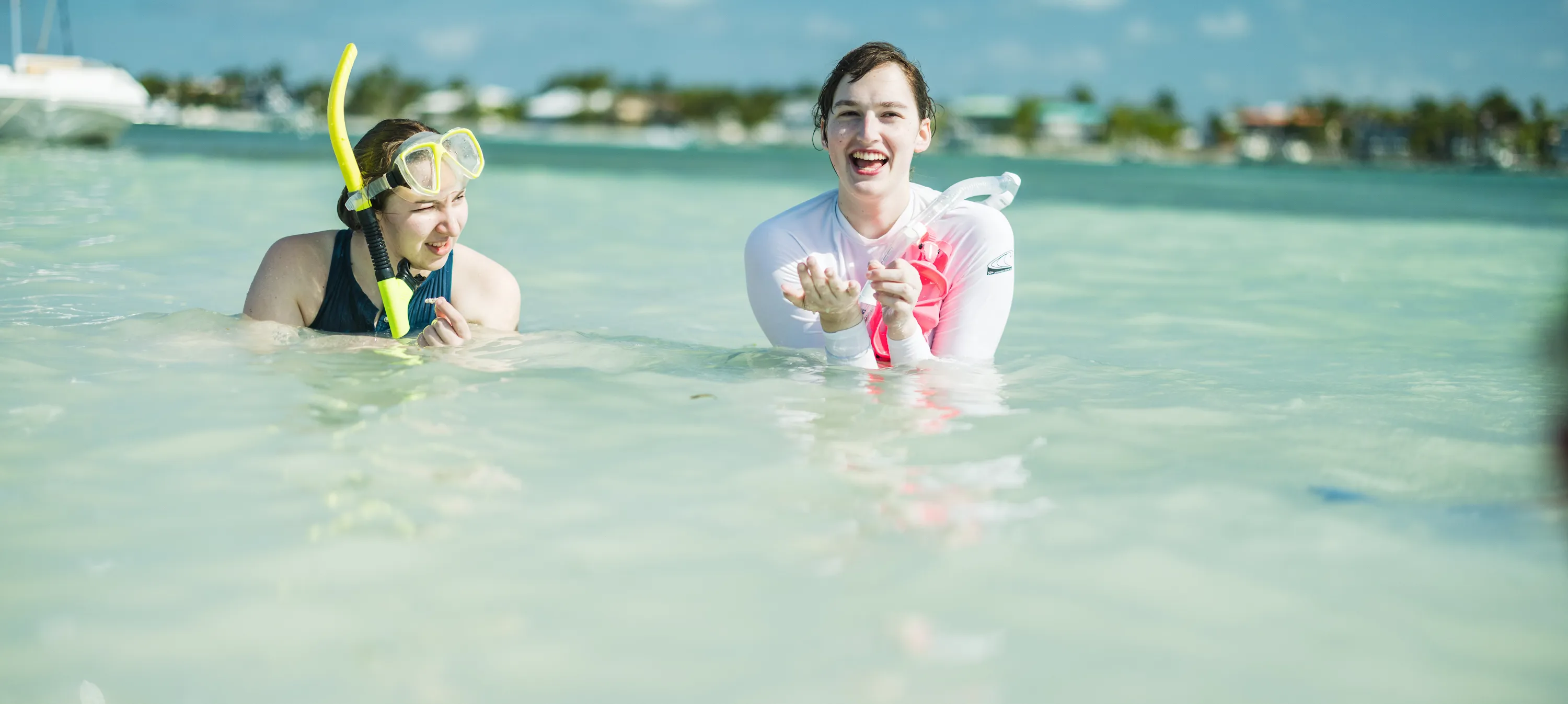
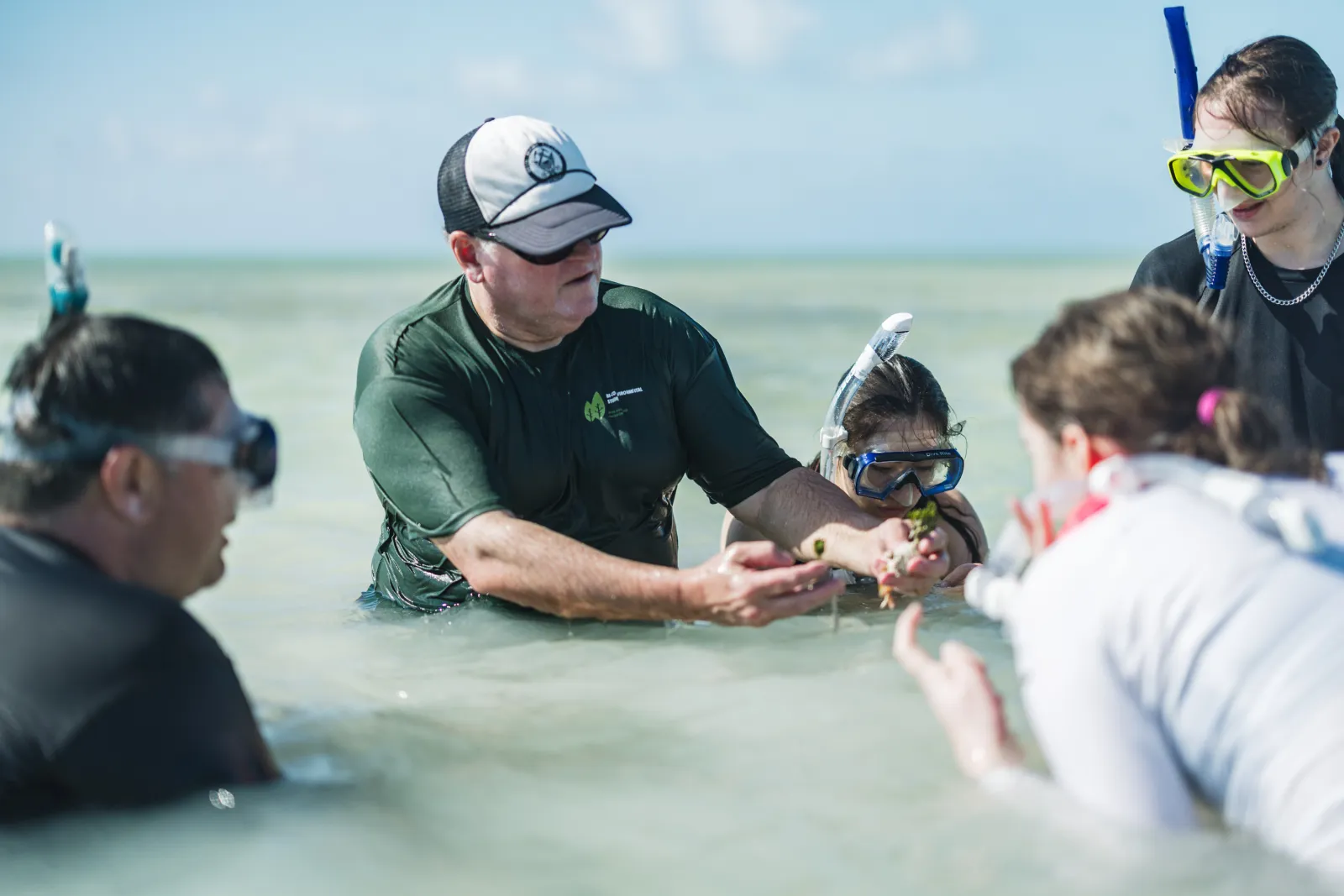
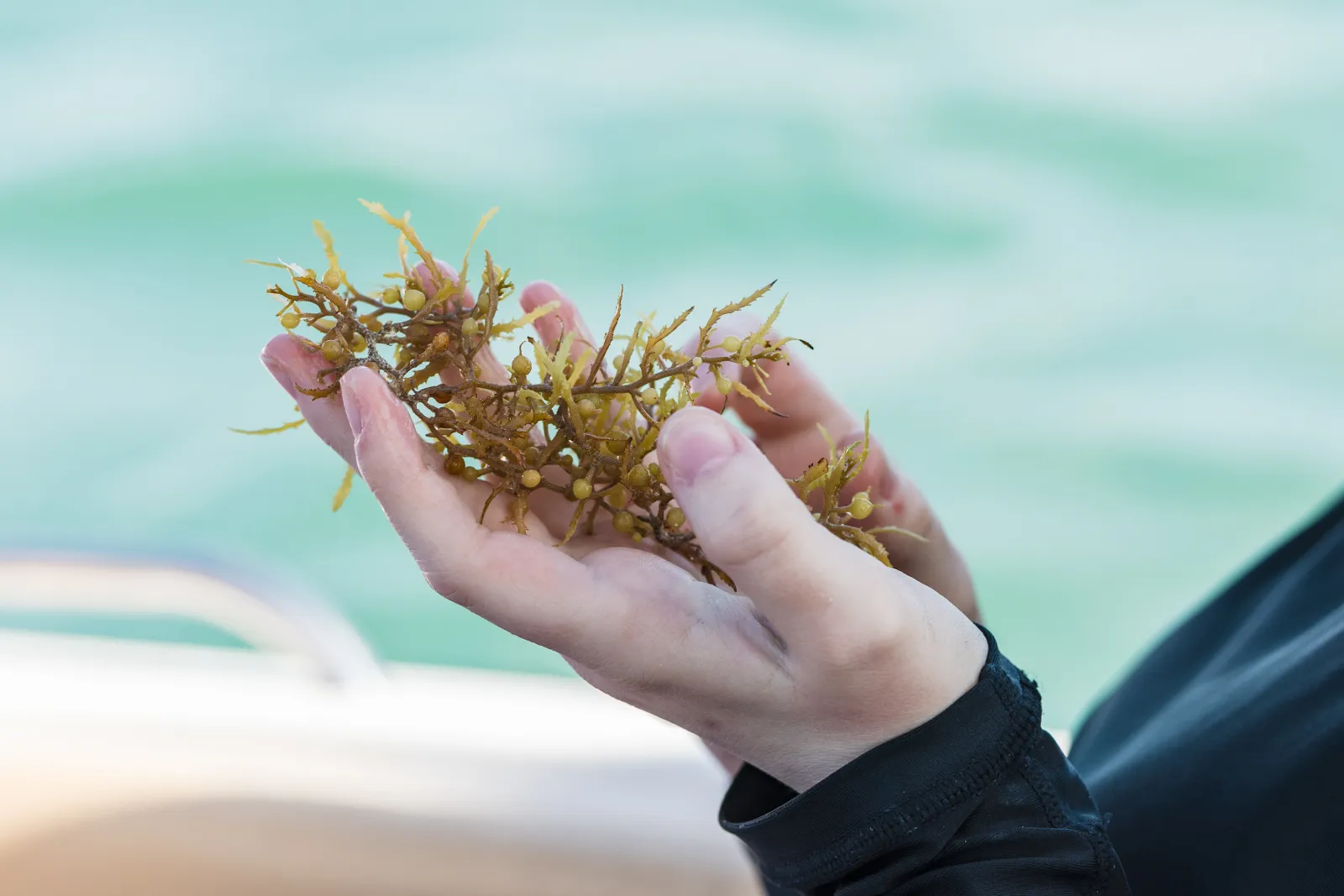
Students combed the sand just off the coast for different types of marine limestone sediment.
Studying marine limestone sediments can give scientists insights into past global environmental changes, which are crucial to understanding the impact of global warming and other challenges facing the planet today.
Over spring break, 19 students from Bryn Mawr and Haverford and three faculty members from Bryn Mawr's Department of Geology traveled to the Florida Keys to get a firsthand look at where and how limestone forms.
While Bryn Mawr has several nearby marine environments, including the Delaware Bay and Jersey Shore, they're too cold for limestone formation, explains Associate Professor of Geology Don Barber.
But in the Keys, the researchers can survey a range of modern carbonate settings, including coral reefs and the carbonate mud that accumulates in the sheltered shallows of Florida Bay.
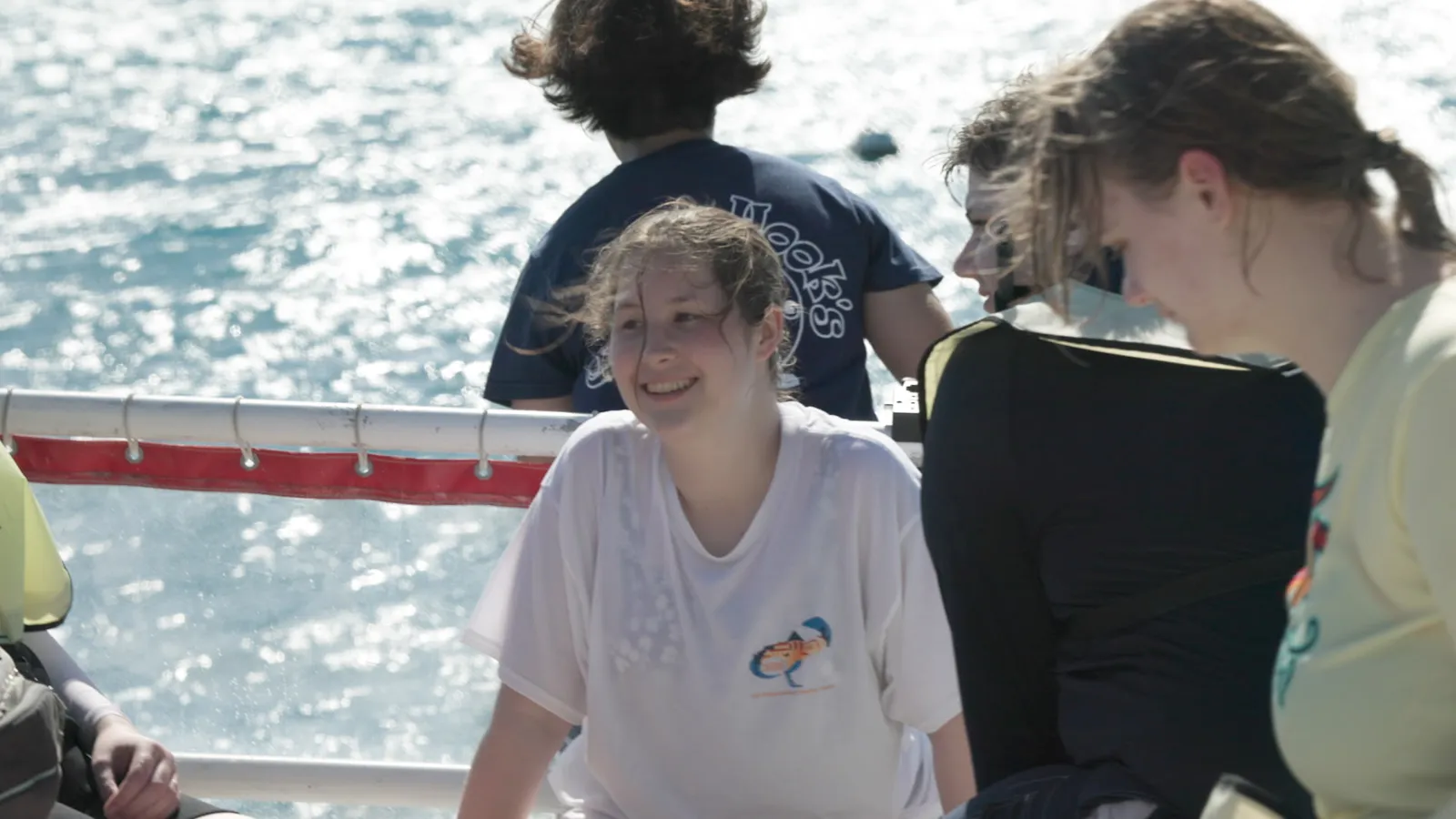
A highlight of the trip was a chartered boat trip to snorkel the outer reef at Looe Key. Beyond experiencing the high wave energy favored by reef-building coral, students observed how unhealthy Florida’s corals have become following extreme seawater warming episodes in recent years.
The trip also included a small boat trip to shallow carbonate depositional settings near Vaca Key Cut and Bamboo Key in Florida Bay; a visit to an exposed fossil coral reef in a limestone quarry, and a guided mangrove kayak tour at Curry Hammock State Park, to see how the plants stabilize tropical wetland shorelines and provide essential habitat.
Kit Kringel '27 on the way to the outer reef at Looe Key.
"Experiences like this are what makes the department so special to me," says geology and political science major Kit Kringel '27. "The faculty invest so much effort into making the degree experience as rewarding as possible, and fieldwork like this perfectly encapsulates that — it's technical training, community-building, and future career exploration all in one. I'm so glad I signed up to go, and I'll definitely be bragging about this to my non-Geo friends for at least a couple of years."
In addition to Barber, the students were joined in Florida by faculty members Pedro and Katherine Marenco, who organized the trip.
For Barber and the Marencos, this was the latest of many Geology Department trips with students. Barber’s first trip was in fall 2004, to the Canadian Rockies, and the Marencos have organized geology student trips to Death Valley, Catalina Island, and Joshua Tree National Park in California, as well as to Nicaragua. Barber and the Marencos have also led multiple trips to San Salvador in the Bahamas, and this is their fourth jointly led student trip to the Florida Keys.
"You can talk about these environments in a classroom, but it’s not the same as standing in them," says Barber. "Fieldwork gives students the chance to see how these systems actually function and to understand how the evidence we use to reconstruct the past is formed in real time."
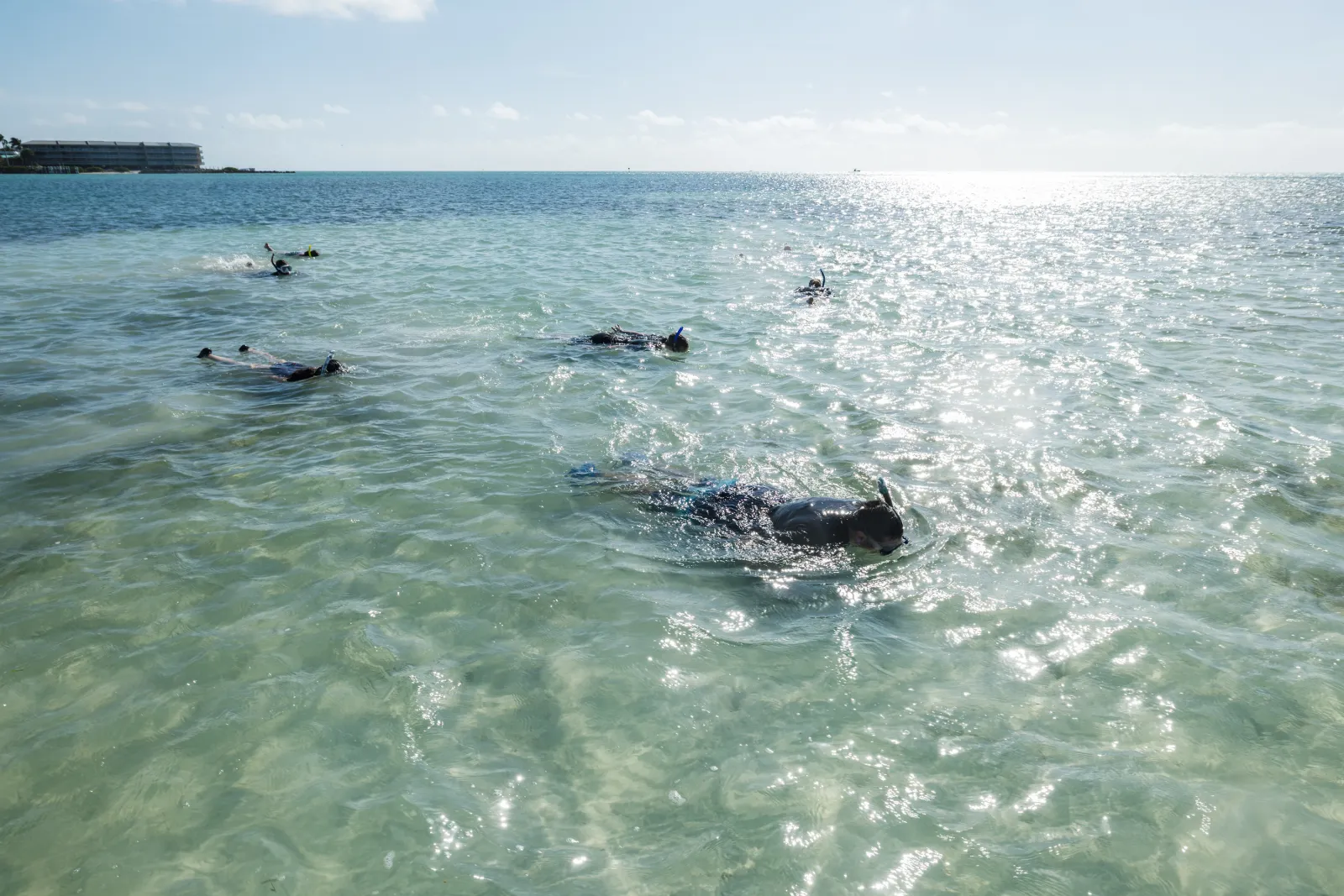
The images below were taken during the group's exploration of shallow carbonate deposits at the sandy ebb-tidal delta southeast of Vaca Key Cut and the micrite mudbank at Bamboo Key in Florida Bay.
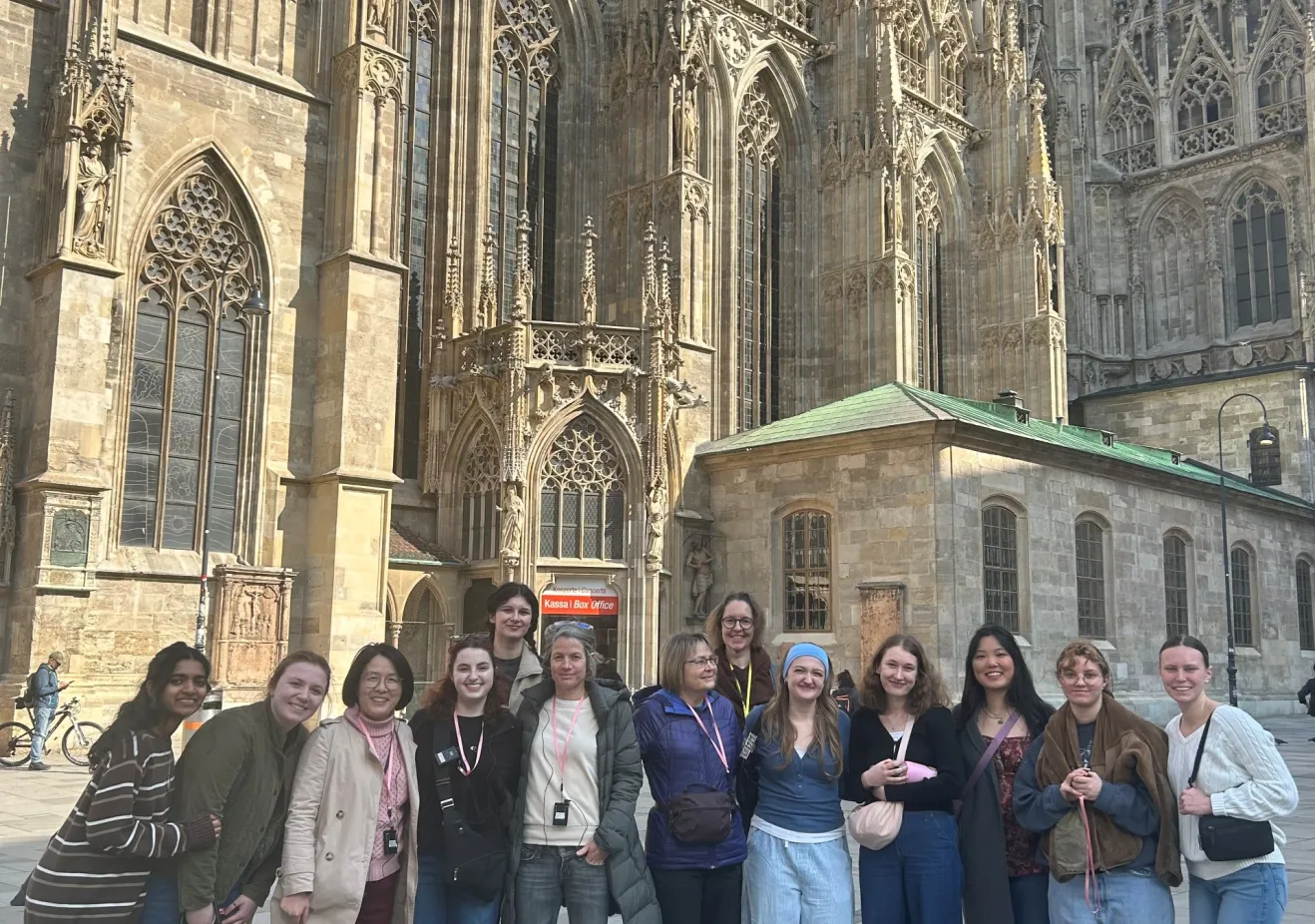
The Europe from the Margins 360° traveled to Vienna. The 360° focuses on the perspectives of those whose voices are usually missing from mainstream narratives about Europe — the disempowered, including political dissidents, queers, migrant laborers, artists, refugees, and people from Europe’s eastern and southern peripheries as well as from postcolonial states outside of Europe. Applications for next fall’s Energy Afterlives 360° are due on April 8 at NOON. Read a reflection on the trip from Jacquelyn LeBlang '28, and find more information about the cluster and how to apply on the 360° website.
Brooklyn NY: Roots, Rhythm, and Resistance
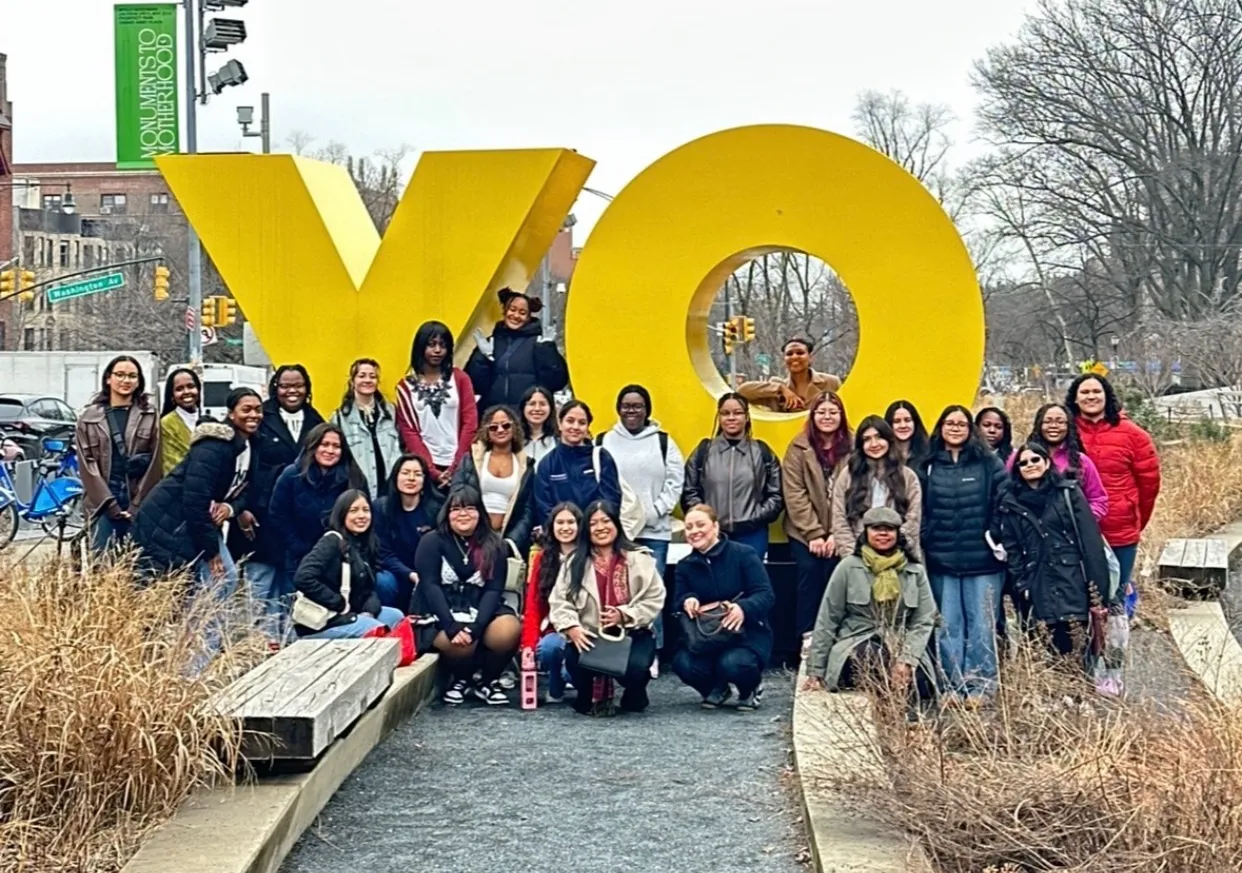
Unity is an annual trip for students engaged in BIPOC programming to build intercultural community, honor one another’s stories, and reflect on the ways their histories intersect. This year, students and alumni come together to explore and celebrate Black history throughout the storied neighborhoods of Brooklyn.
Washington D.C.: Night Owls on Tour
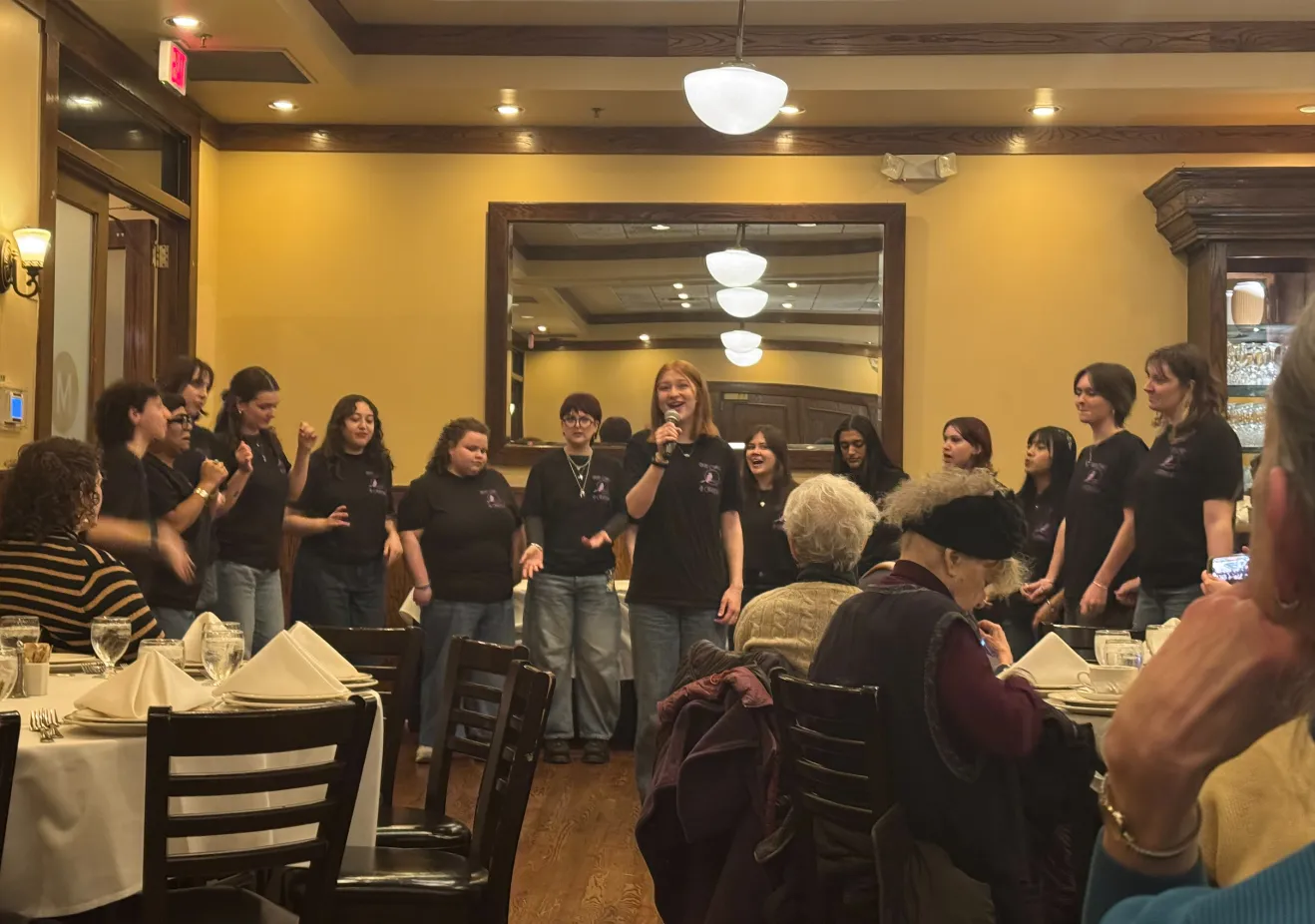
The Night Owls, one of Bryn Mawr's student acapella groups, spent the first weekend of spring break on tour in Washington D.C. The group performed at a Bryn Mawr alumni luncheon and with other a cappella groups at the University of Maryland.
Philadelphia: Shaping the Shelves
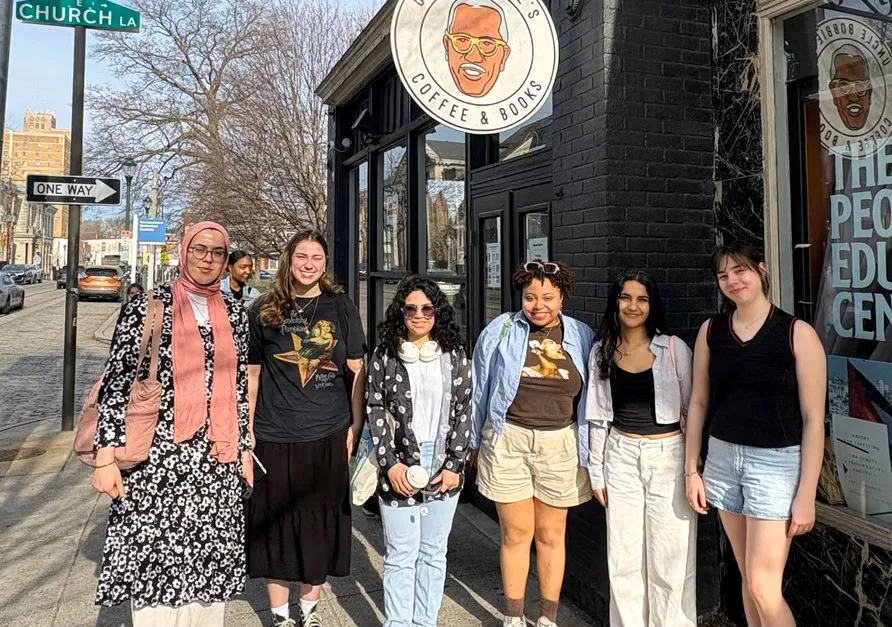
Over Spring Break, six students participated in Student Shape the Shelves, a week-long internship, now in its 5the year, focused on expanding the range of voices and genres represented in our pleasure reading collection by purchasing a selection of titles from independent Philadelphia-area bookstores.
Summertown, South Carolina: Rowing Trains and Builds Bonds
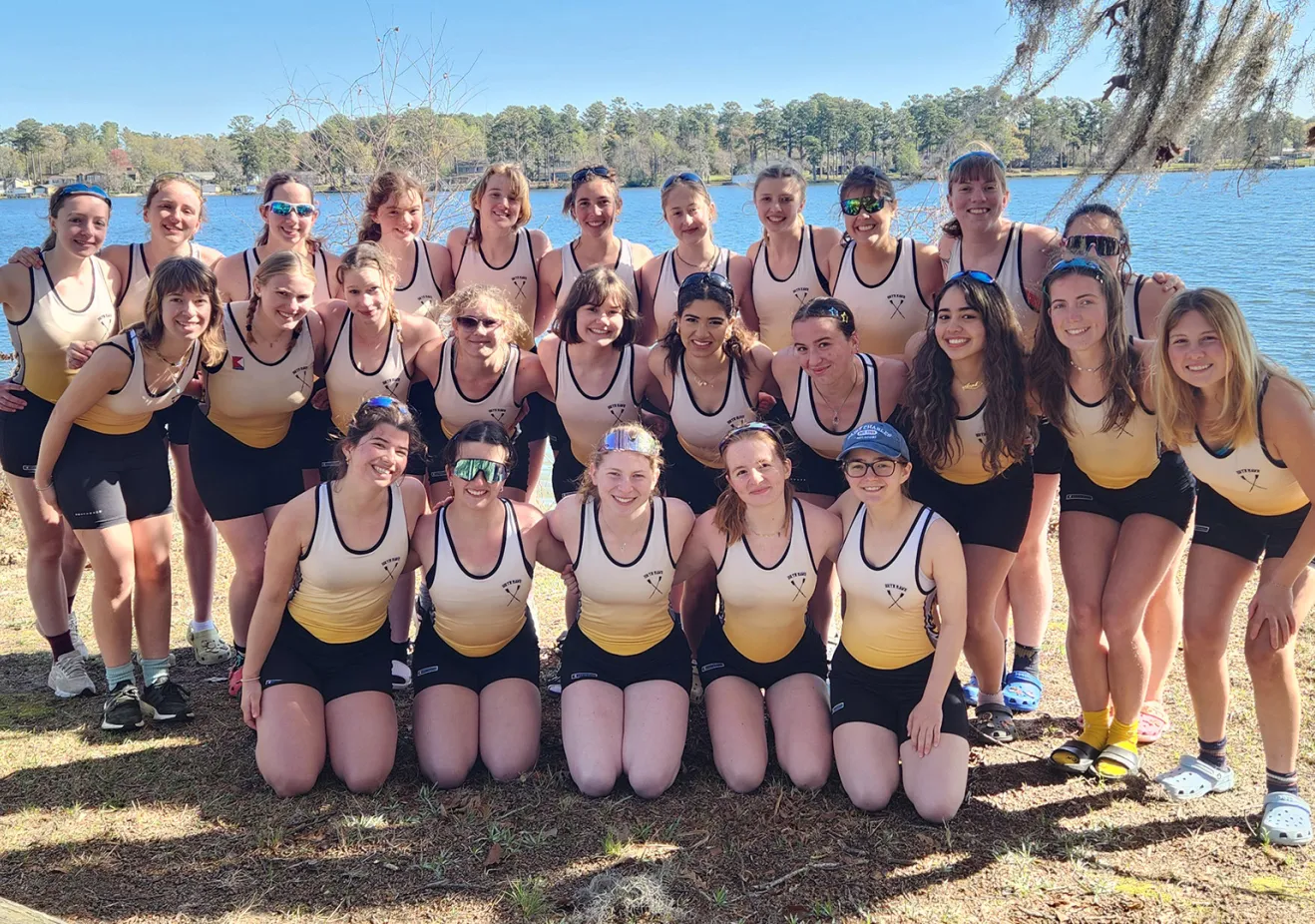
Bryn Mawr rowing spent their Spring Break training at Camp Bob in Summertown, South Carolina, combining competitive preparation with valuable team bonding ahead of the spring season. The week provided the Owls with the opportunity to return to the water, refine their technique, and build team chemistry in a focused training environment. Read more about their trip on the Athletics website.
Bryn Mawr: Community Building, Career Planning and More
For students staying on campus over break, the College offered a variety of activities. The Career & Civic Engagement Center held an Entrepreneurship and Innovation Retreat and a Human Centered Design Intensive, and the Impact Center sponsored trips to take in what Philadelphia has to offer for both an interfaith group and a group from Bryn Mawr's Breaking Barriers program. For international students who stayed on campus during break, the International Student and Scholar Advising office held group meals and other opportunities to get together.