


Biology
Why Study Biology at Bryn Mawr College?
Biology students, faculty, and staff work together to better understand how and why living systems work. We are committed to our discipline and to the importance of biology in broader social and cultural contexts. Our program introduces you to broad issues and unifying ideas in biology.
Courses of Study
The biology program at Bryn Mawr College offers a major, a minor, and options for an accelerated course of study.
Additional Information
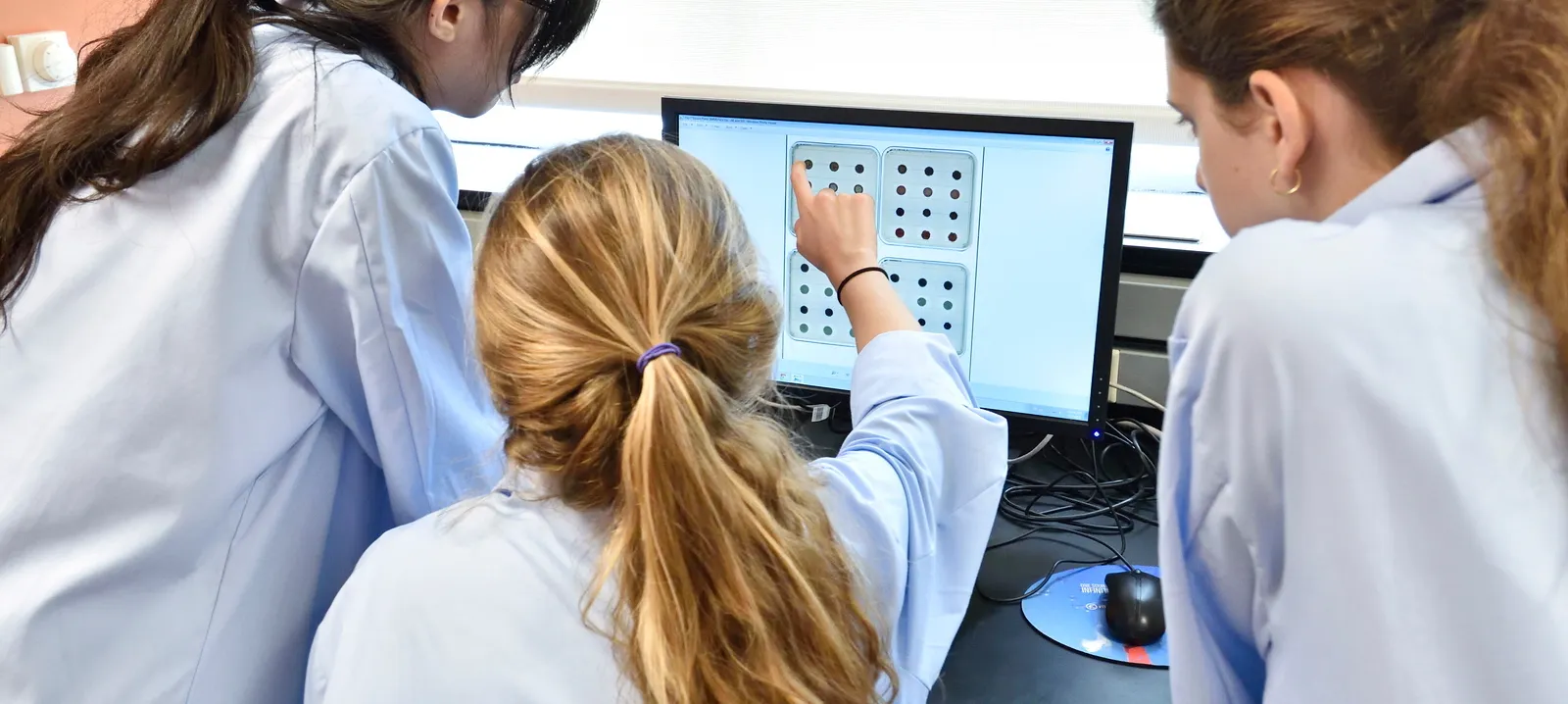
Madeline Norbert '26"Working in the Weber Lab has given me invaluable experience with multiple stages of a long-term experiment."
Course Highlights
BIOL B110 Biological Exploration I
BIOL B110 is an introductory-level course designed to encourage students to explore the field of biology at multiple levels of organization: molecular, cellular, organismal and population. Lecture three hours, laboratory three hours a week. BIOL B110 explores the ways the central dogma of molecular biology relates to the biochemical basis of human traits through the lens of biochemistry, cell biology, genetics, and molecular biology. The laboratory portion of the course will explore the fundamentals of molecular and cellular biology through scientific research, with an emphasis on scientific process and experimental design. Topics include genetically modified organisms, stem cell biology, and molecular biological techniques.
BIOL B201 Genetics
This course focuses on the principles of genetics, including classical genetics, population genetics and molecular genetics. Topics to be covered include the genetic and molecular nature of mutations and phenotypes, genetic mapping and gene identification, chromosome abnormalities, developmental genetics, genome editing and epigenetics. Examples of genetic analyses are drawn from a variety of organisms including Drosophila, C. elegans, mice and humans.
BIOL B305 Sleep and Biological Rhythms
This seminar course will survey our current understanding of chronobiology and sleep at the molecular, cellular, and organismal level. Classes will be a mixture of lecture, discussion, and student presentations based on both historical and current primary literature.
Faculty Spotlight

Bárbara Domingues Bitarello
Assistant Professor of Biology
Professor Bitarello’s research asks the question “what makes us human?” Most of her research training focused on human population genetics and molecular evolution.
Part of her research focuses on the medical genetics of understudied human populations. Her research over the next few years looks at the genetics of less studied human ancestries—e.g., African, Latin American—and uses computational tools to how evolution is connected to disease and gene expression.
A Bright Future
Kass Wojcik '22 spent the year after graduation learning about international beekeeping thanks to a Watson Fellowship. She's dedicated to saving our pollinators in the face of global climate change. See how she and other recent grads are illuminating the way forward:

Kass Wojcik '22"A question that I get asked frequently as a beekeeper and something that has become a driving question of my project is, ‘how can we save the bees?'"
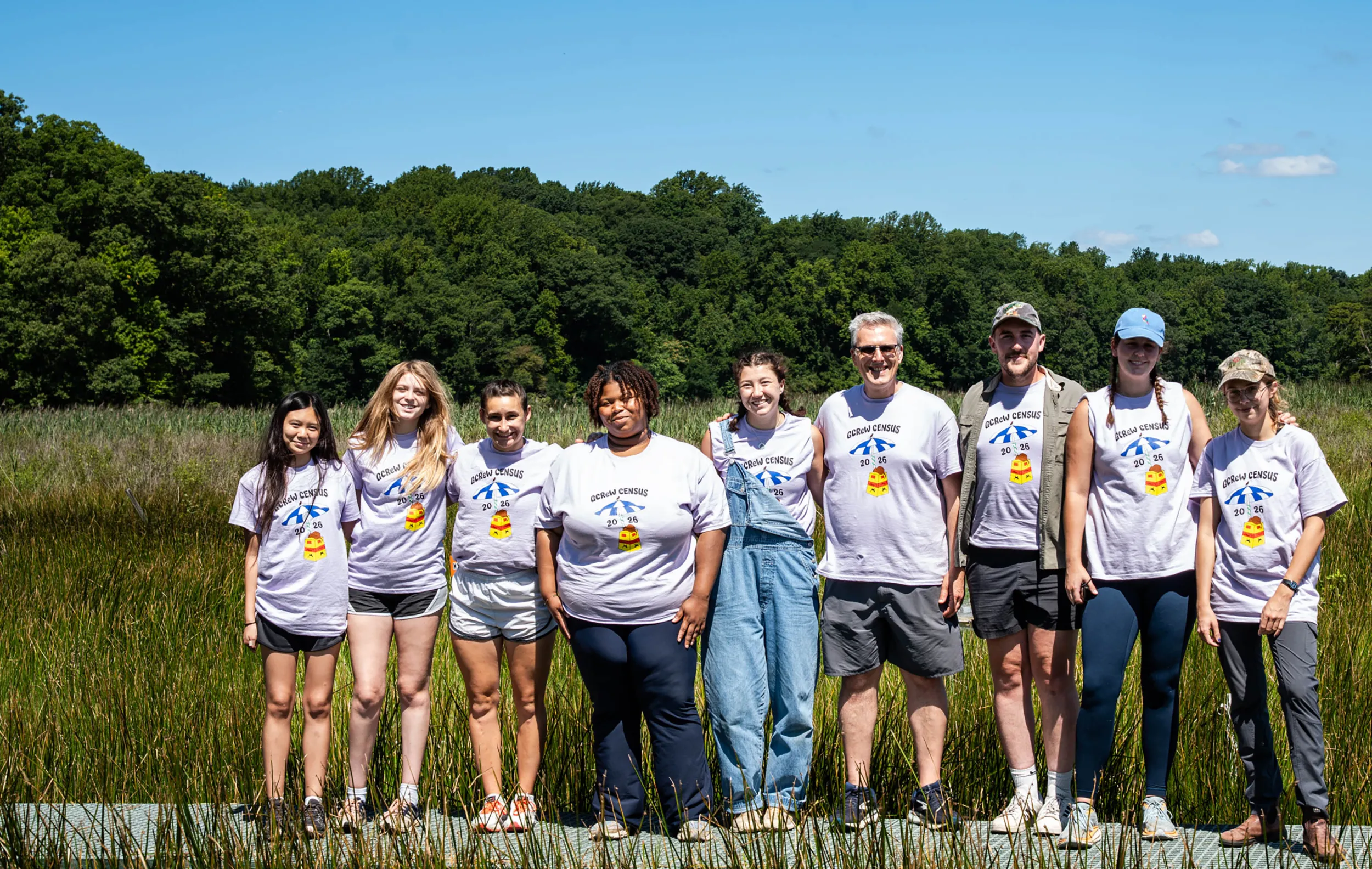
Summer Science Research With Professor Mozdzer


Opportunities for Biology Majors
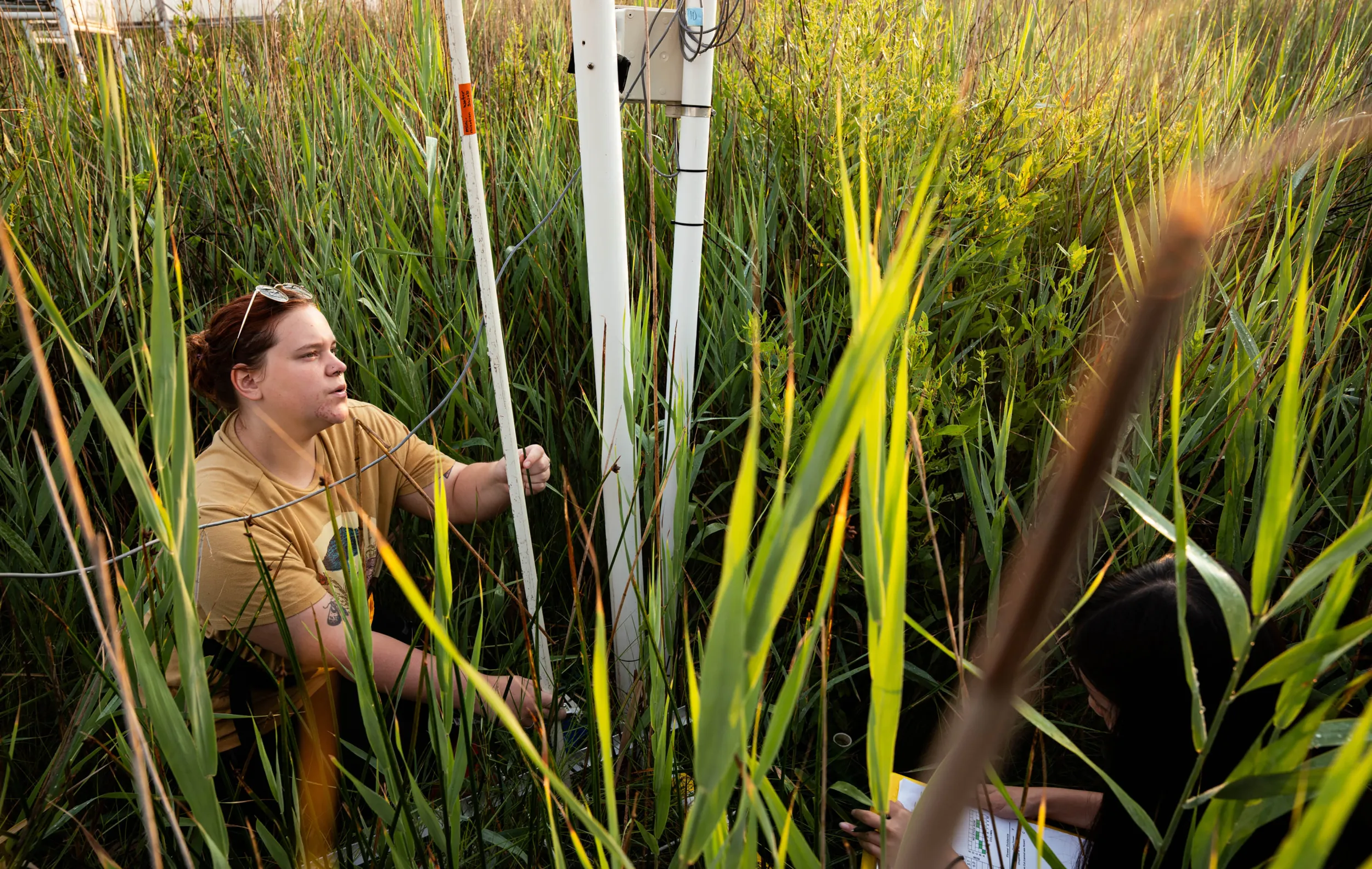
Fieldwork
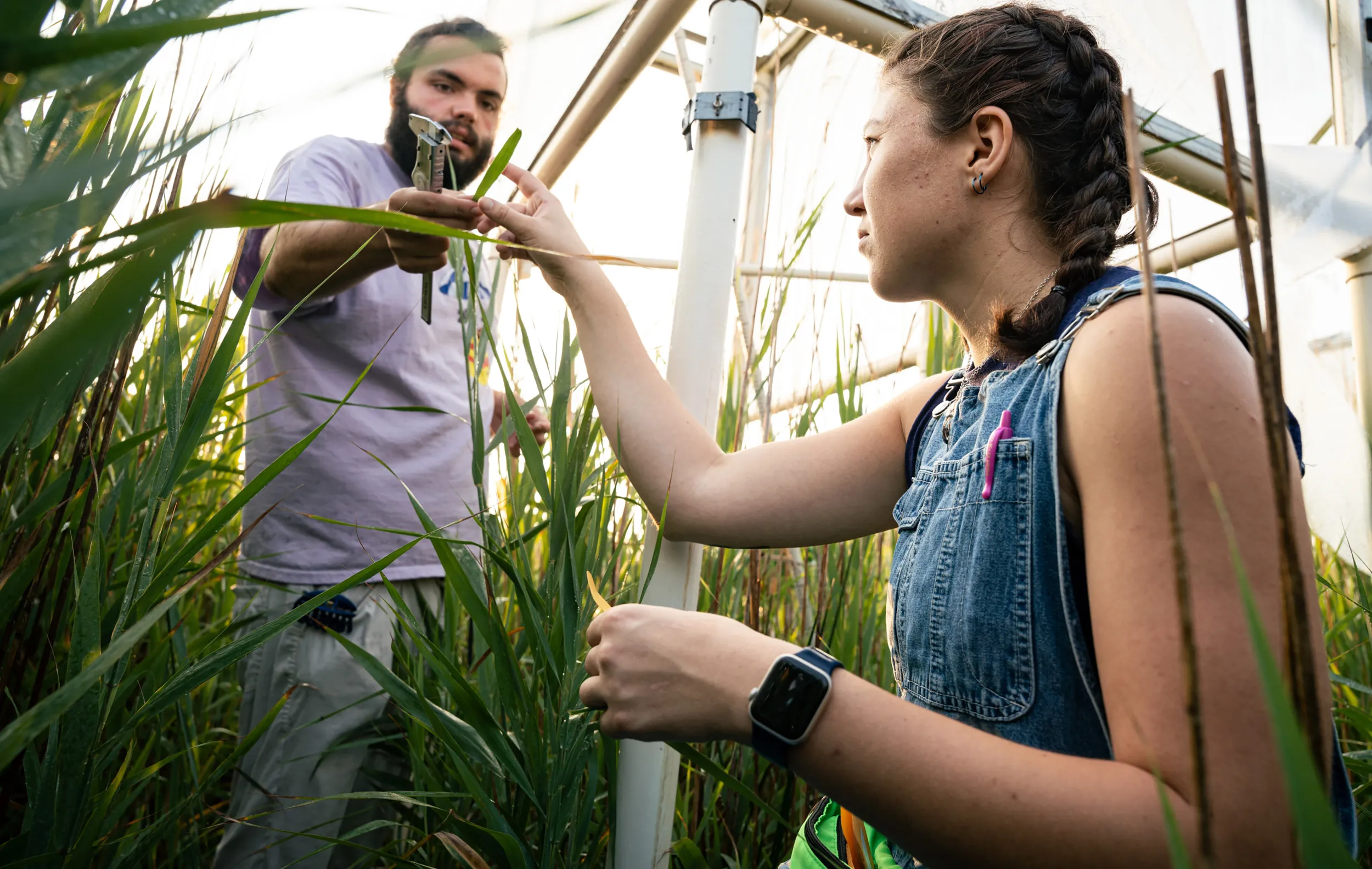
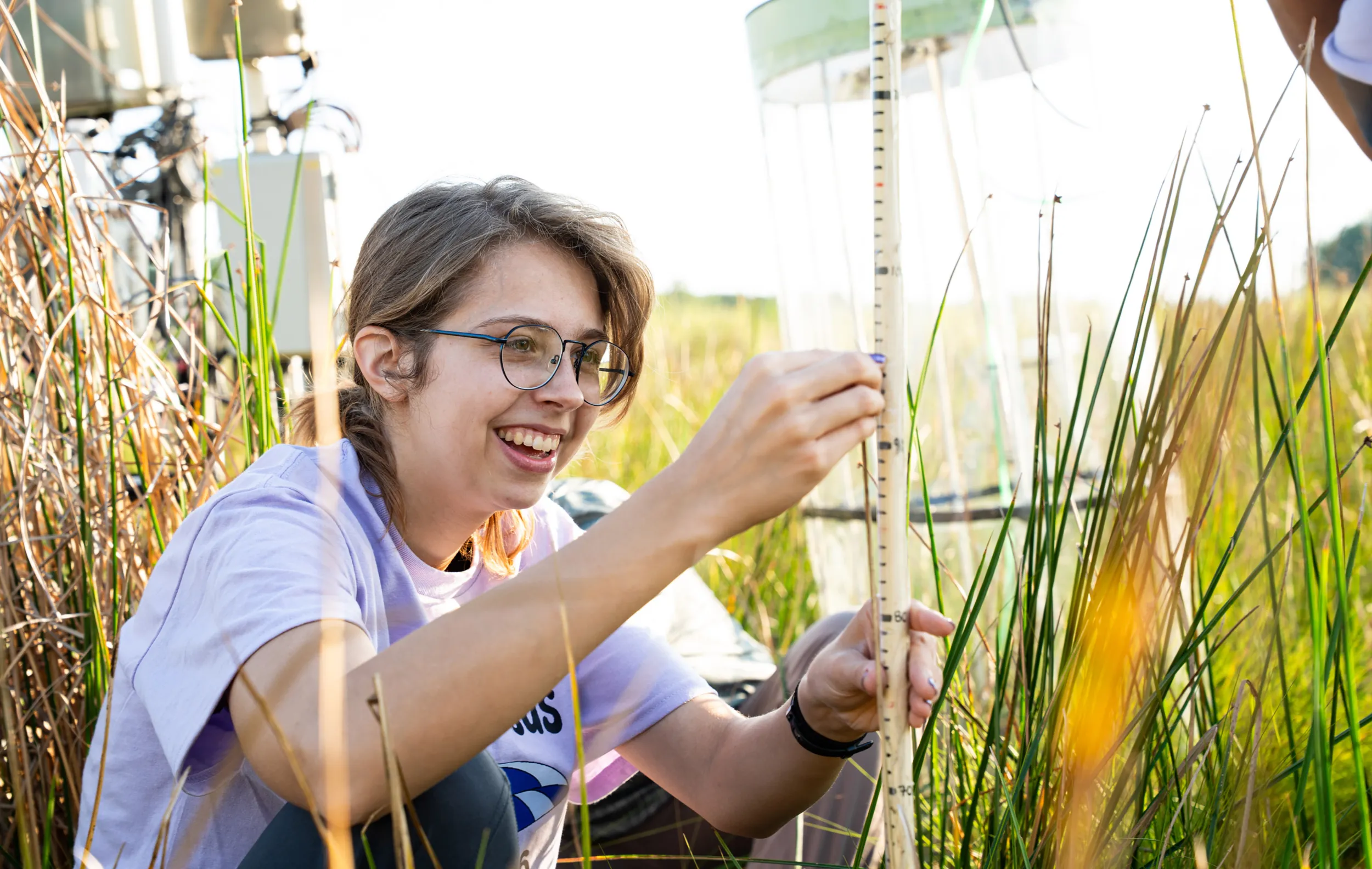
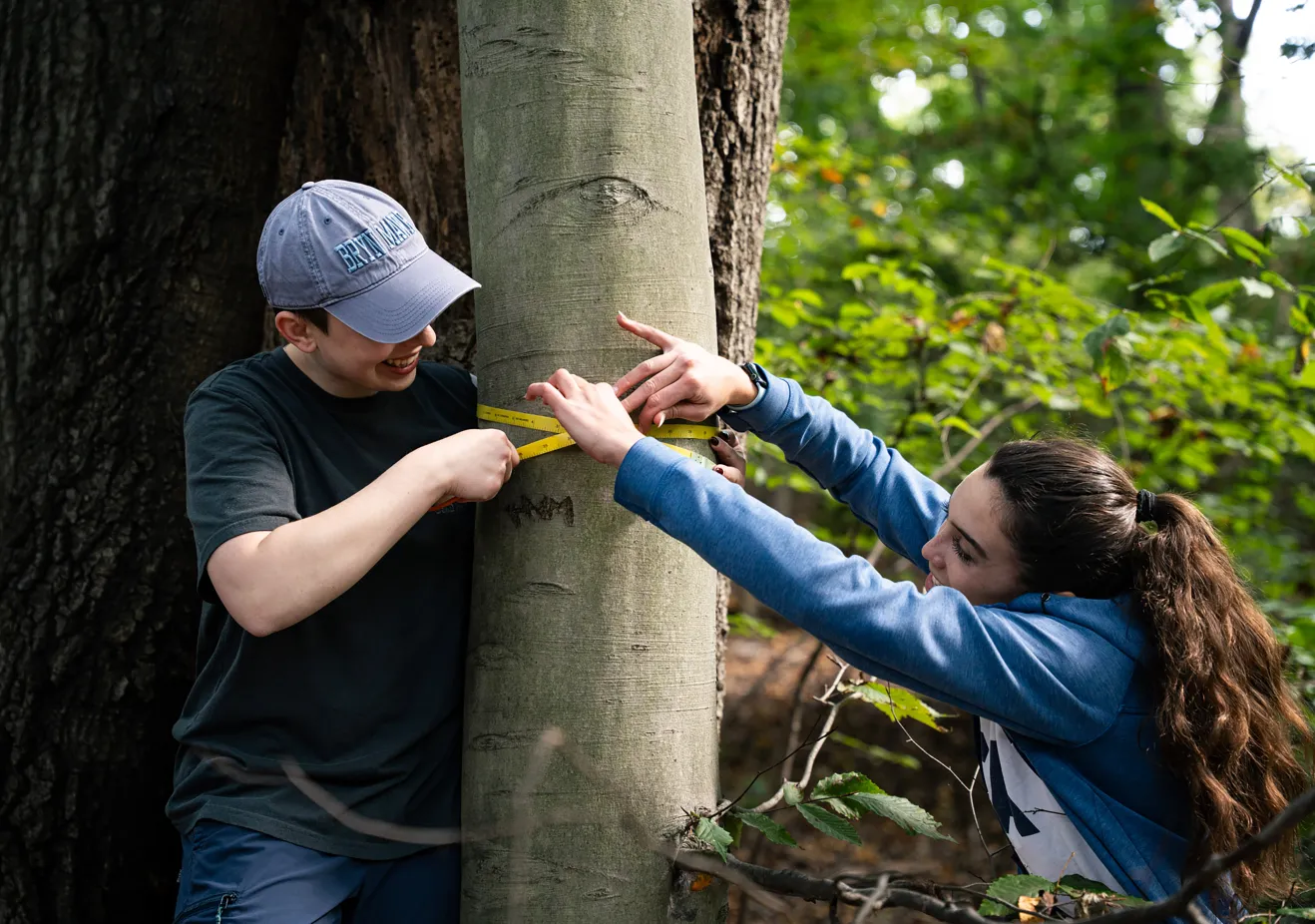
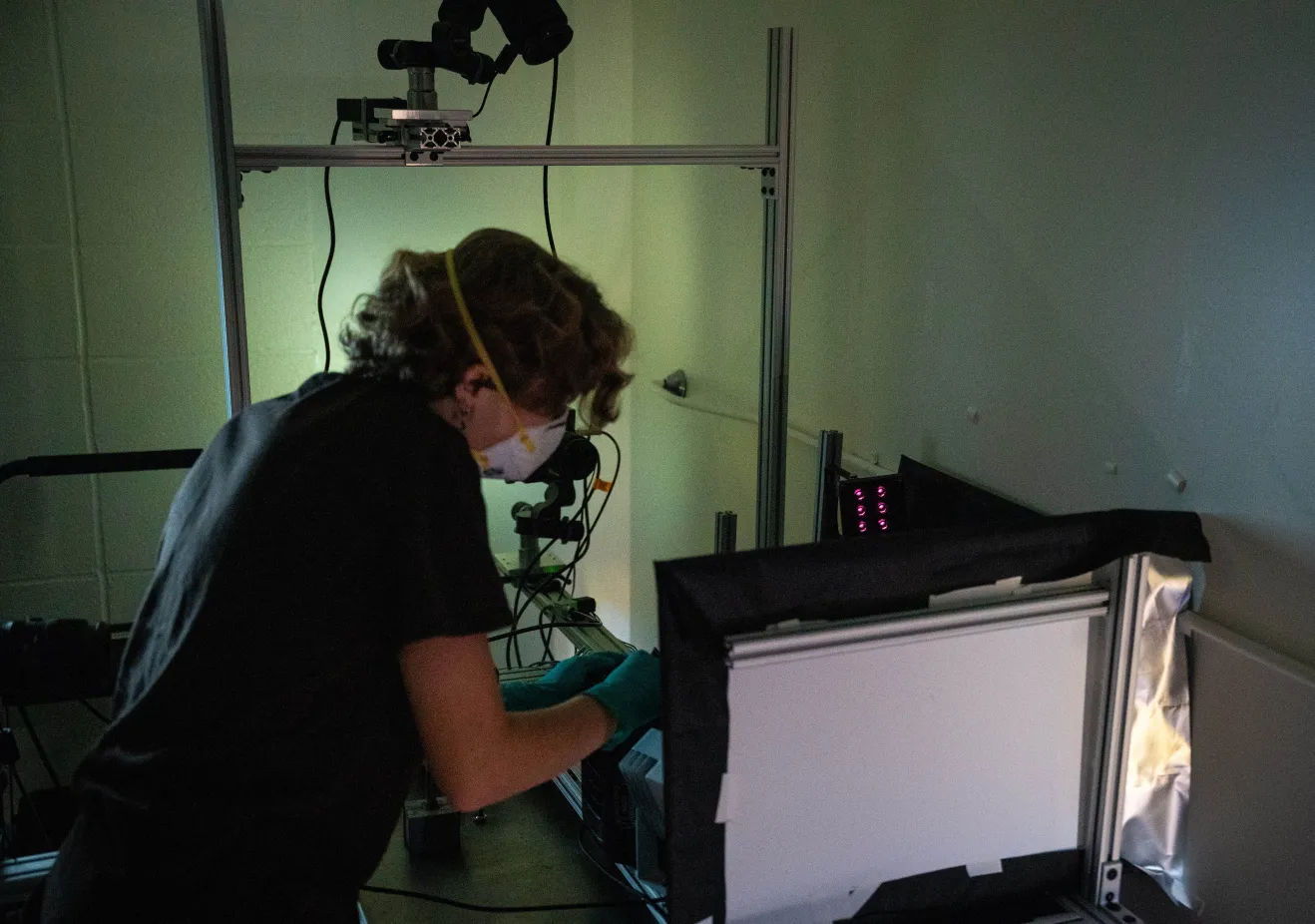
You biology studies at Bryn Mawr won't just be sitting in a classroom. We make sure you're in the field exploring and experiencing what we're learning firsthand.
Research
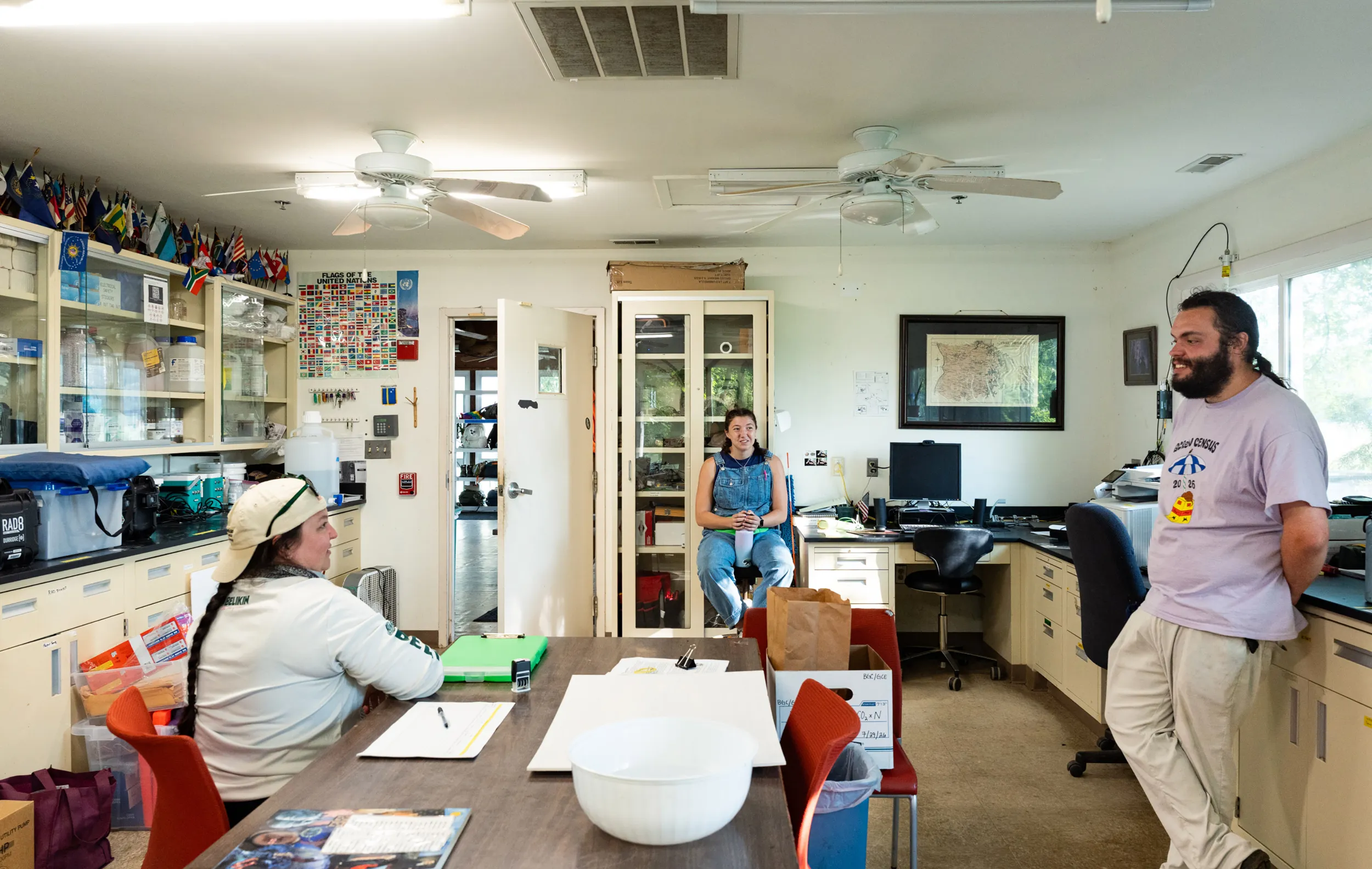
Research is at the heart of our biology program. You have the opportunity to work on supervised independent research, or to work with a professor assisting with their current project.

Study Abroad
If your wanderlust feels at odds with the rigor and commitment required for scientific discovery, don't worry. Bryn Mawr College is associated with many programs throughout the world that offer biology courses. Check in with your major advisor about which would be most beneficial for your interests.
Biology FAQ
Here are some common questions that you may have about studying biology at Bryn Mawr College, and their answers:
If you object to using animals in lab activities but they are part of a course required for the major, please let your professor know as soon as possible. If different activities are available and consistent with the learning goals of the course, you can do them instead without penalty.
You are encouraged to join research labs as early as you want, as long as your schedule permits the 10 hour/week commitment. Your major adviser can help you schedule research into your course plan. Generally, lab research is conducted by juniors and seniors, but if you're motivated, your professors will be happy to consider you for a research position before that.
You should look at the faculty research profiles to determine which of the faculty research programs interest you the most. Then, contact the individual faculty member(s) about research opportunities in their labs. If your first choice isn’t able to accommodate you, contact the next person on your list.
The most important thing to keep in mind as a scientist: there are no guarantees! We can’t promise you that an experiment will work, that data obtained will be interesting to the scientific community or that you work will be published in a prestigious journal such as Science or Nature.
We can promise you an opportunity to present your work at an undergraduate research symposium. In addition, you can speak to your faculty adviser about opportunities to attend professional meetings.
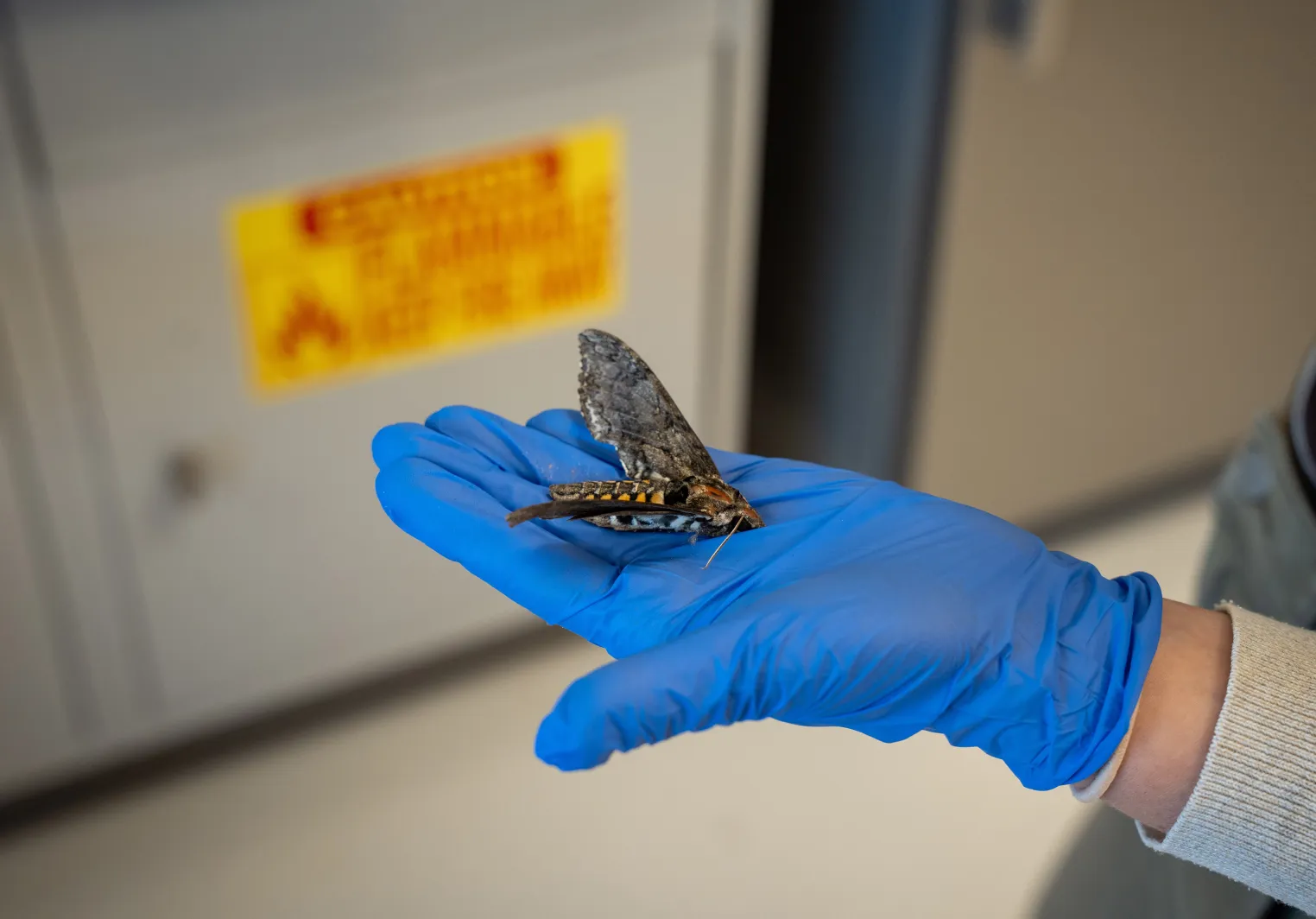
How Do Moths Navigate in Flight?
Professor Ali Weber was awarded $400k to continue her research on how animals perceive their surroundings and adjust mid-flight.
Faizah Shaik '27"It's great to be a part of a collective and to do your part in investigating a larger question. It feels really good knowing you're solving it one step at a time."
STEM News
Biology is part of a rich field of STEM programs at Bryn Mawr College. Here's what's new:

Contact Us
Biology
Monica Chander
Associate Professor and Chair of Biology
mchander@brynmawr.edu
(610) 526-5096