
Sustainability Impact Report
2025-2026

Introduction to an Inspiring Year
When I arrived at Bryn Mawr College, I was struck by something that cannot easily be captured in a sustainability metric or annual report: the extraordinary commitment of this community to purpose, learning, and positive change.
This ethos guided sustainability progress for many years before the College established the Office of Sustainability in July 2025, to leverage the campus-wide enthusiasm for positive change. This past year has marked a transformative leap in the Bryn Mawr community’s commitment to sustainability. We launched our first Sustainability Seed Grant Program, created new opportunities for students to engage in applied learning, and brought together colleagues from across campus to reduce waste, improve operational practices, measure impact, and advance climate action. The greatest lesson I have (re)learned this year is that sustainability efforts succeed when they are community-driven. Some of our most exciting projects - from reducing food waste in dining halls to revitalizing the community garden and exploring new pathways for ecological restoration - are a testament to the creativity and leadership of Bryn Mawr students, faculty, and staff.
Today, we stand at the precipice of possibilities. I am often asked about my “vision” for a sustainable future, which invokes several feelings ranging from hope and excitement to uncertainty and anxiety. I alone can’t answer this question, so I am compelled to ask - What is our vision? Will we continue to approach our work with a spirit of collaboration? How can we better use principles of social responsibility and environmental justice to guide our actions? Will we build a community where every member feels empowered to contribute in the ways they are able? During times of heightened polarization, can we approach each other with kindness and empathy as we navigate collective challenges?
The challenges facing our world can feel overwhelming, but sustainability work gives us something powerful: Agency. It reminds us about the power of collective impact, and that meaningful change happens, in small ways and big, when people rally around a shared purpose and take action. The accomplishments highlighted in this report are a celebration of the inspiring progress we have made together in one year, and an invitation to continue building a better future together.
With heartfelt gratitude,
Neha Sood
Director of Sustainability and Environmental Action
Bryn Mawr College
By the Numbers
An overview of the 2025 - 2026 academic year in sustainability statistics.
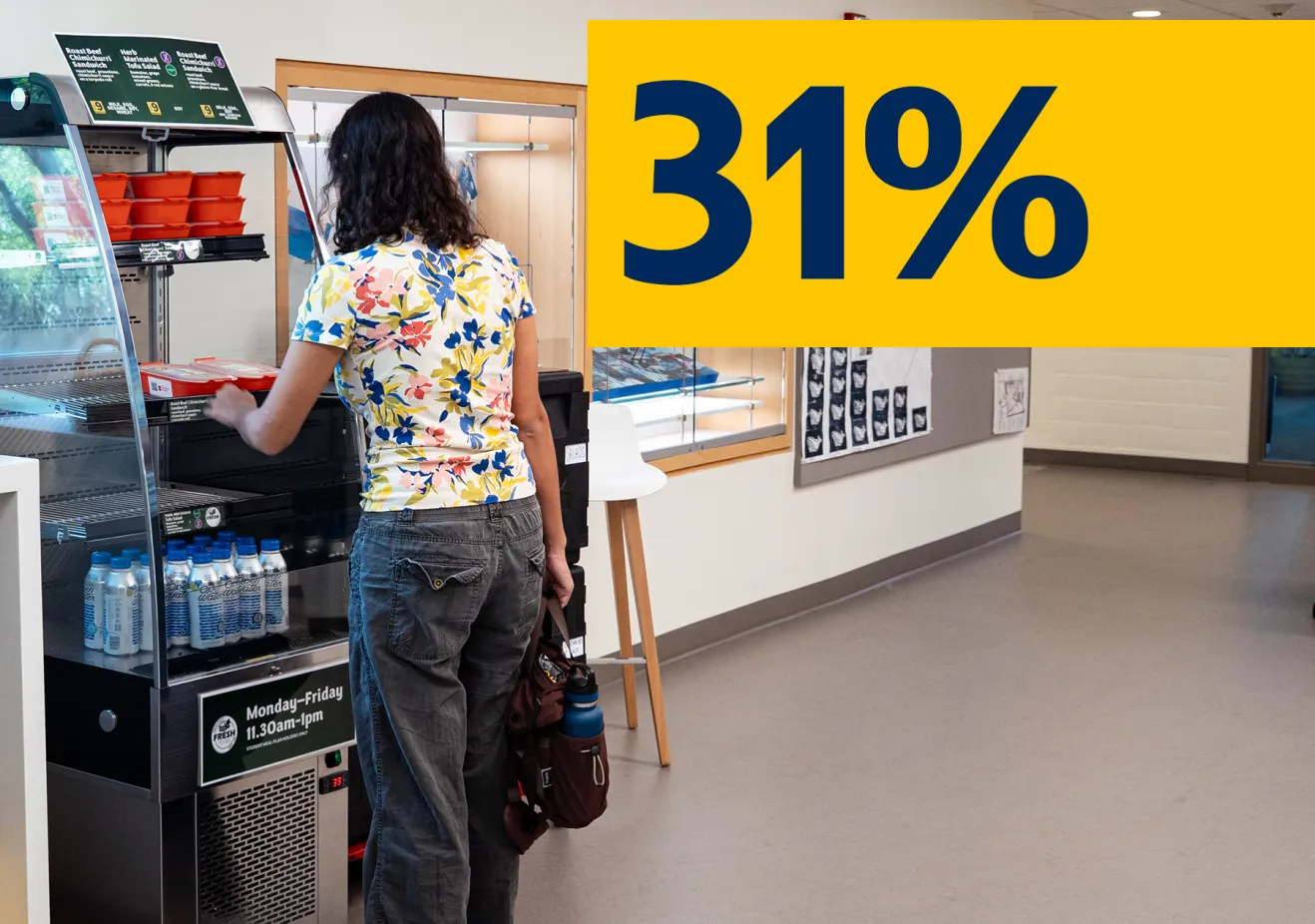
31% Reduction of food waste in Erdman Hall
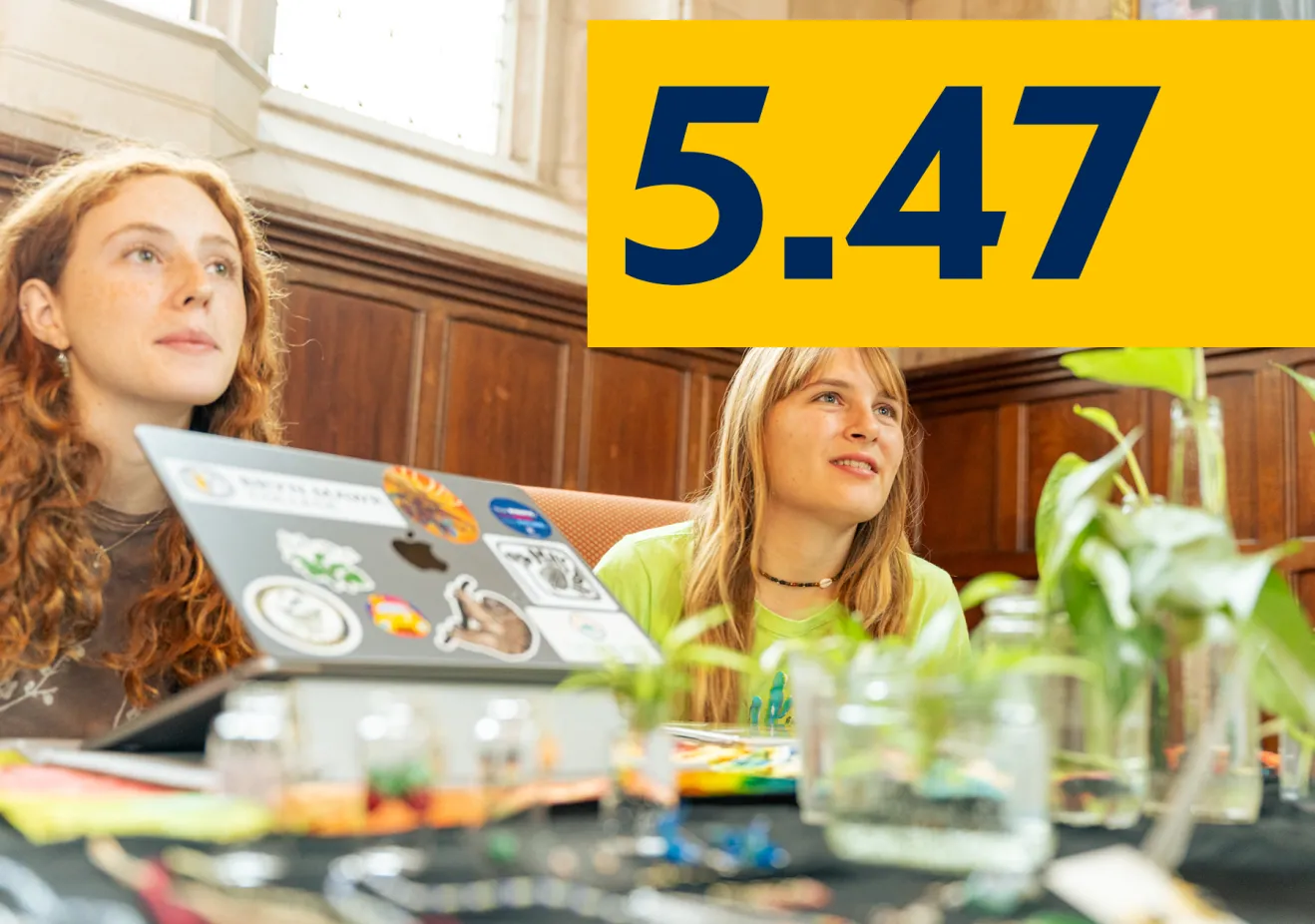
5.47 tons of waste reduction through new initiatives
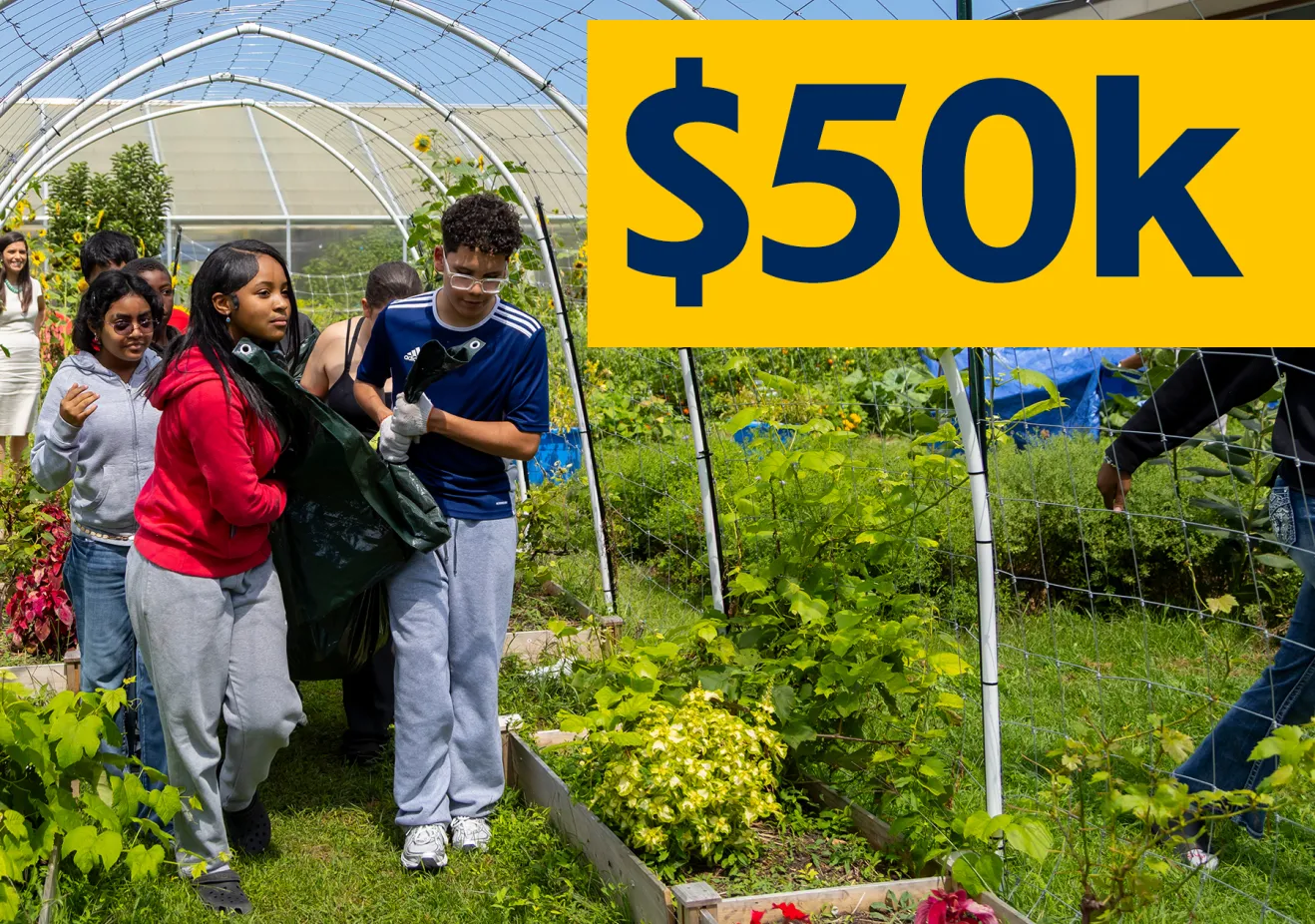
$50k of Sustainability Seed Grant funding awarded
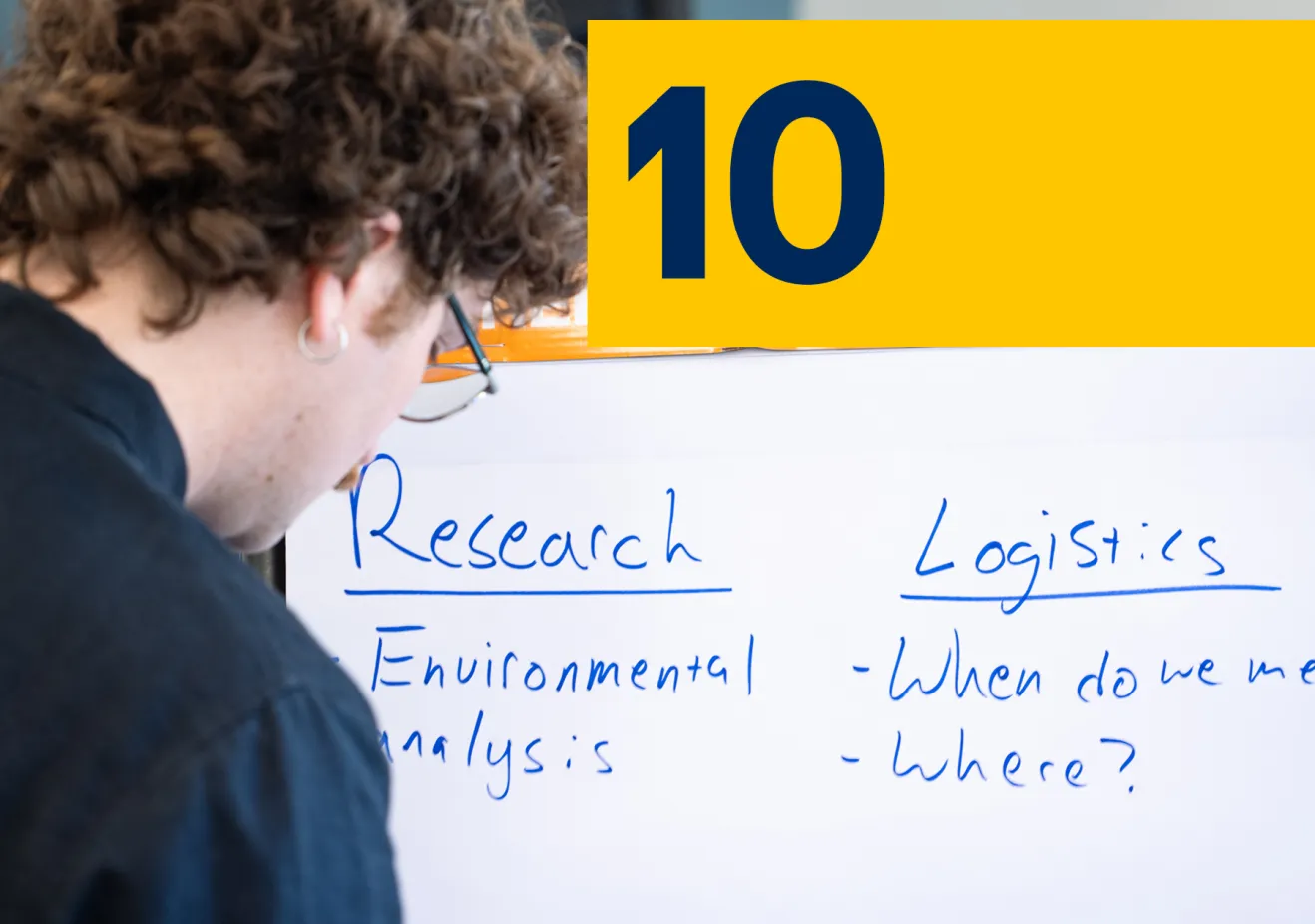
10 part-time student interns and living lab fellows
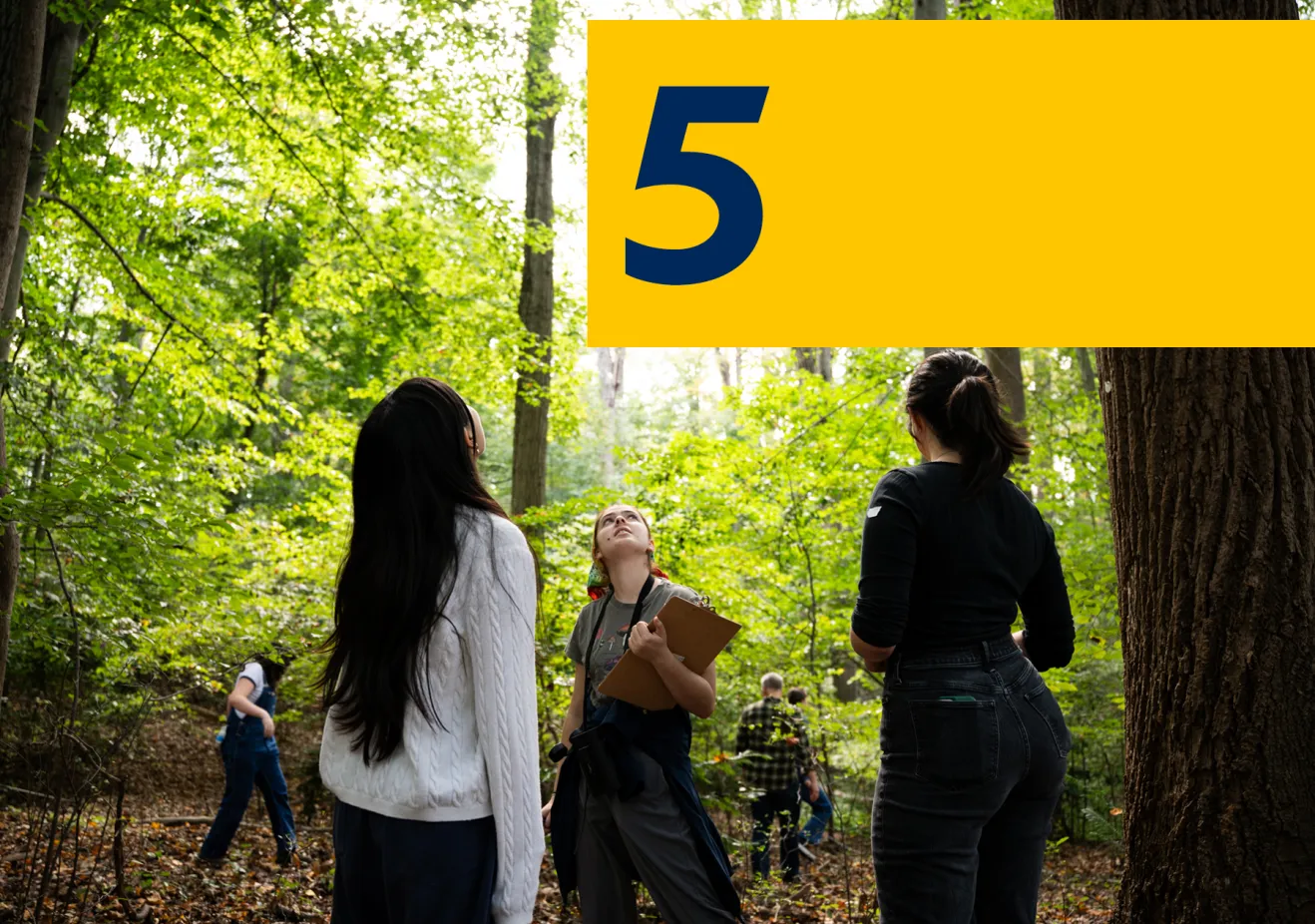
5 students completed a sustainability-focused Praxis course

1 "Go for the Green" award from Lower Merion Township's Environmental Advisory Committee
Campus Engagement
- Campus-wide events
- Sustainability-themed workshops and presentations
- Classroom lectures and class visits
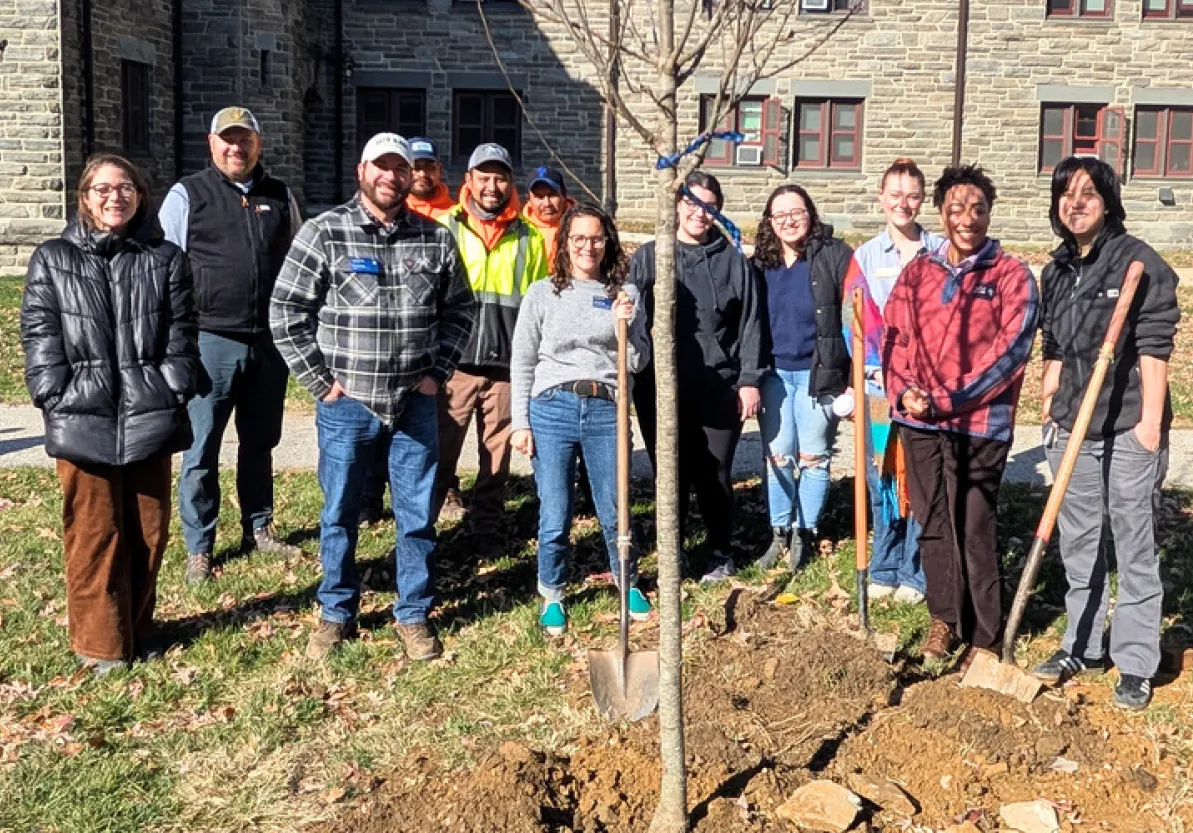
This year our office engaged the campus community through a variety of initiatives including presentations about waste, climate action, and sustainability initiatives.
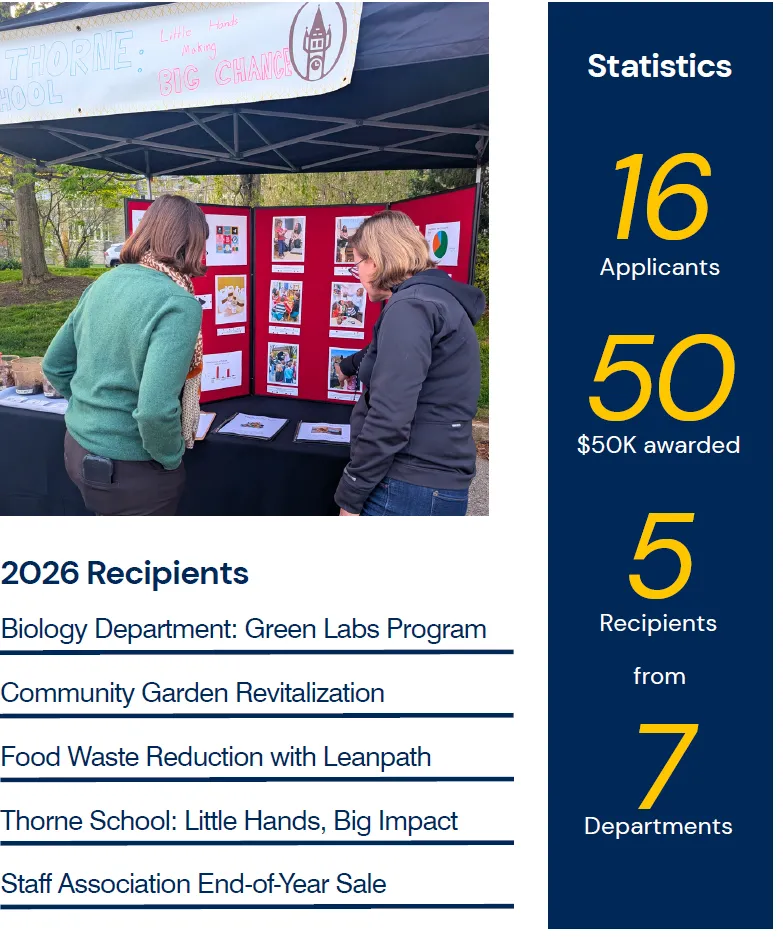
The office sponsored community-led events and disbursed $50,000 in seed funding to six teams for sustainability projects on campus. The seed grants awarded in Fall 2025 catalyzed grassroots innovation across campus units - funding pilots that bring people together, conserve resources, reduce emissions, and build sustainable habits.
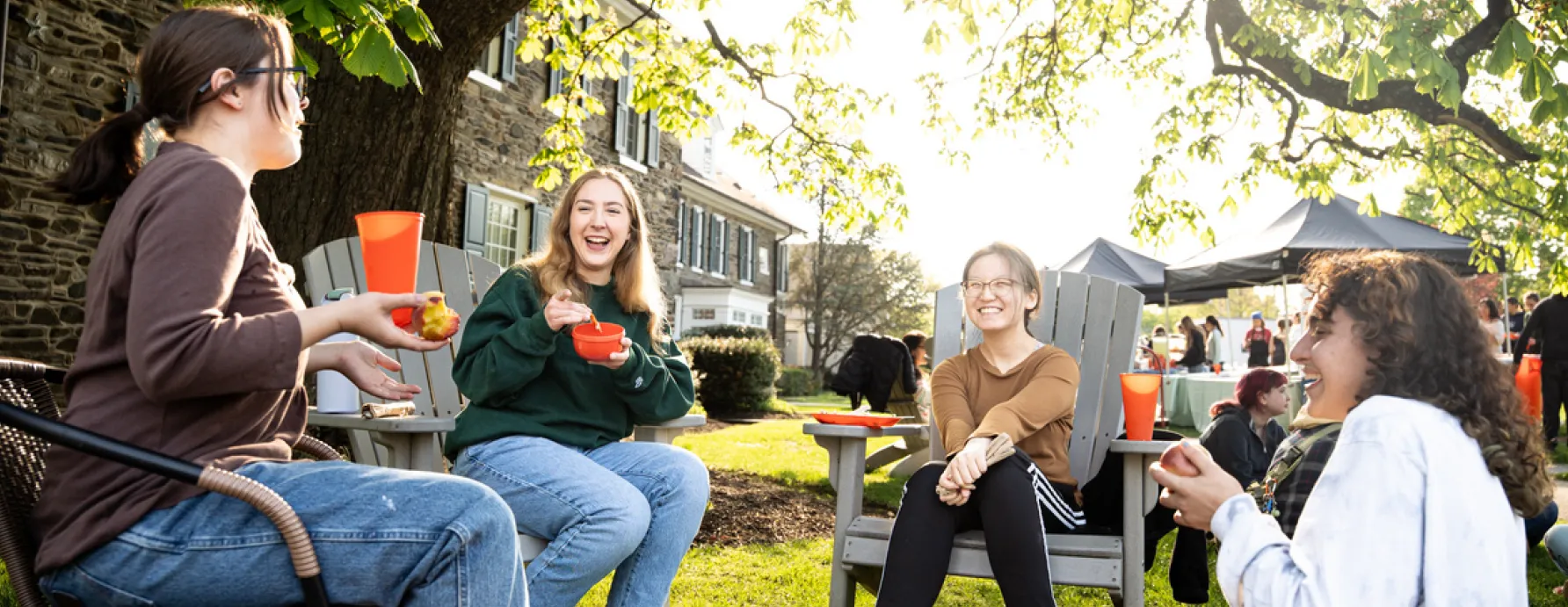
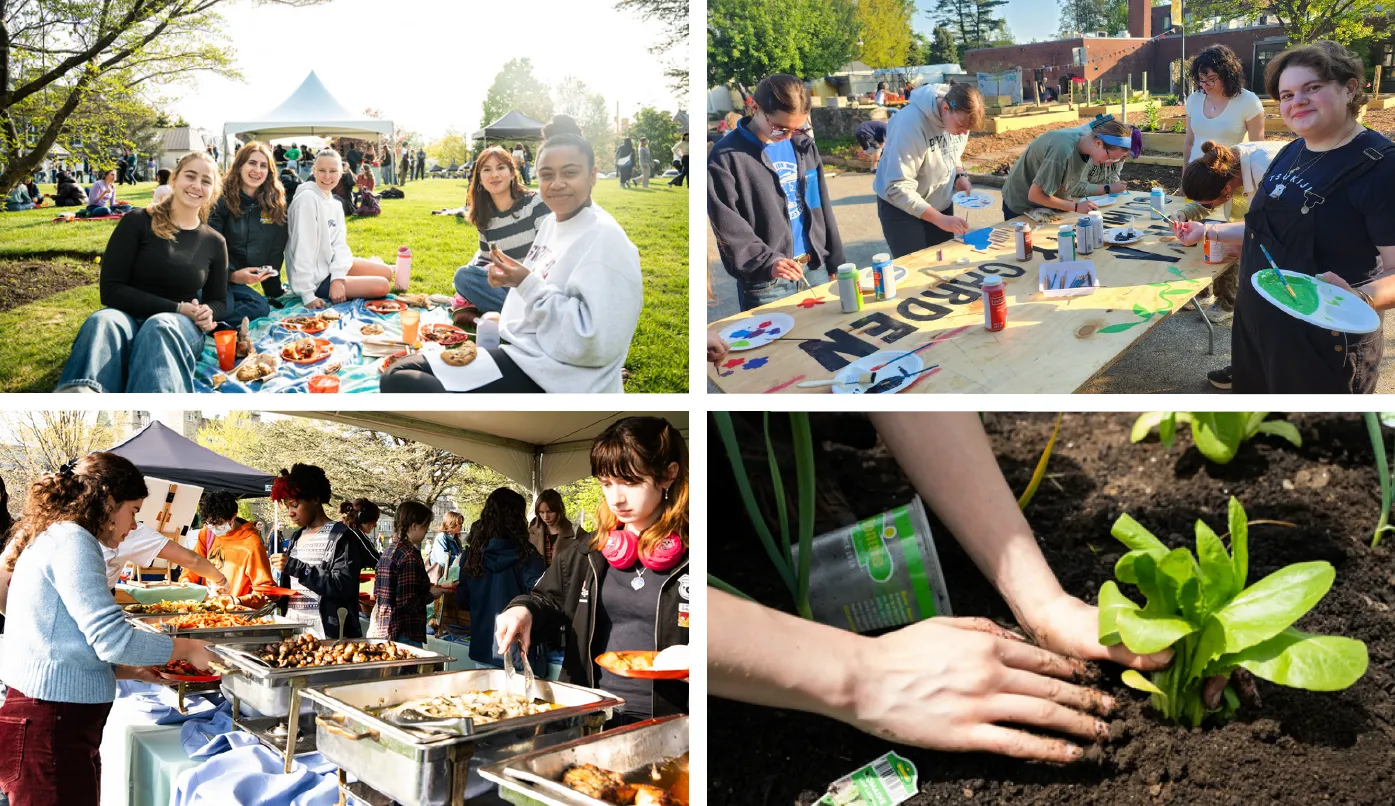
The year culminated in a campus-wide “Zero-Waste” Earth Day Picnic in April for over 1,000 individuals that featured grant recipients’ work, local vendors, good waste habits - reinforcing that we can practice sustainability and have fun at the same time!
Event Highlights
Earth Day Picnic
- Locally sourced and sustainability-minded ingredients
- Compostable and reusable products - making this our first Zero Waste event!
- Activities led by campus partners and sustainability seed grant awardees
Campus-wide Events
- Student-led invasive plant removal efforts
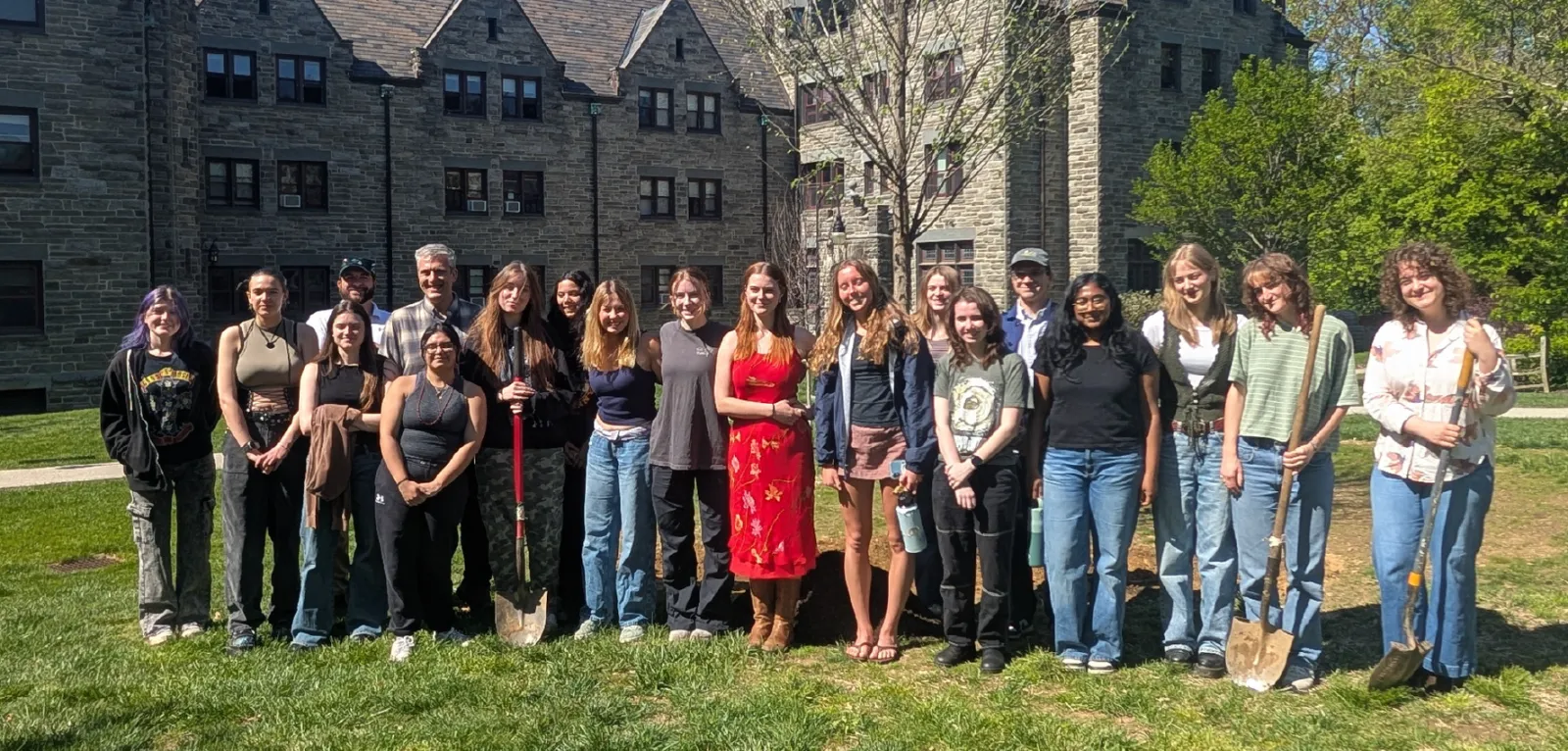
- Tree plantings once per semester, including an April planting to commemorate Arbor Day
- Seed starting, and community garden plantings
- Clothing and costume swap for Halloween
Campus as a Living Laboratory
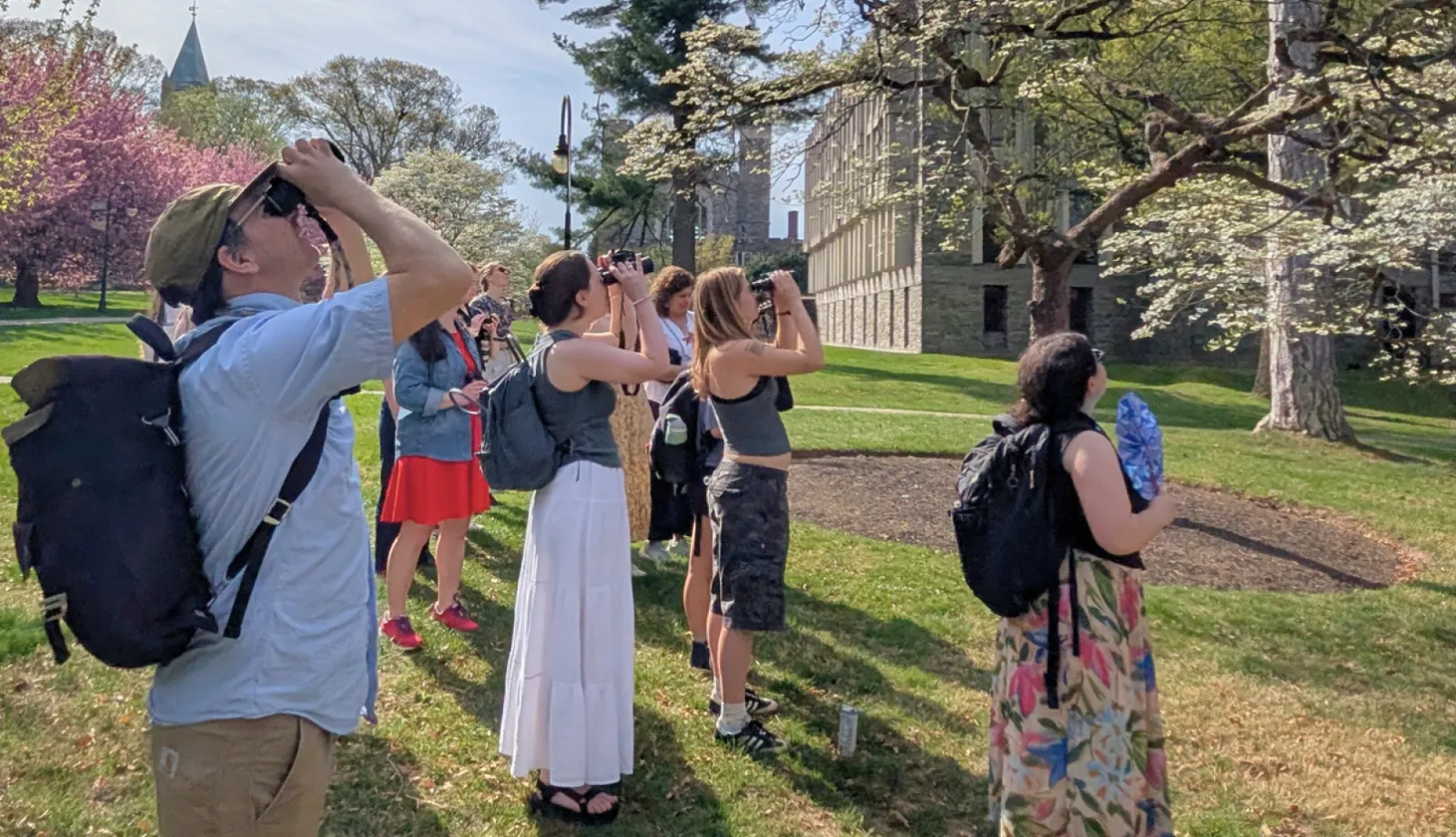
Two applied learning projects this year leveraged faculty expertise and student enthusiasm to create a roadmap for a “campus as a living laboratory” program.
- A Living Lab Fellowship in partnership with the President’s Office supported two faculty members and four paid interns who developed a roadmap for achieving arboretum status and a restoration plan for Lake Vickers. Students presented their findings to President Cadge in May.
- A Praxis class titled “Living Our Values - Applied Sustainability at Bryn Mawr College”. Five students previously enrolled in the Climate Change 360° program worked on three projects - partnering with Erdman Dining Hall to deploy Leanpath technology for food waste reduction; conducting an inventory of greenhouse gas emissions at Bryn Mawr College; engaging students in environmental restoration on campus through invasive species removal and native pollinator plantings.
Sustainability Seed Grants
Biology Department: Green Labs Program
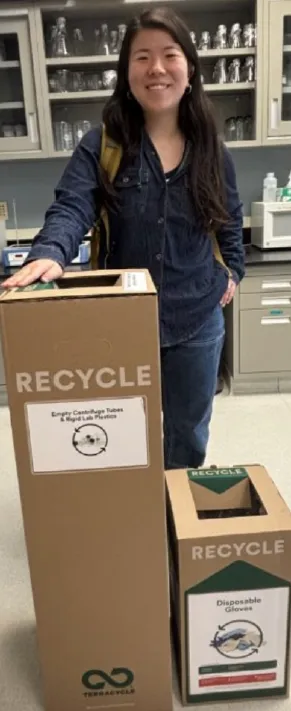
The Biology department implemented a range of initiatives to reduce waste and improve practices. In just one month, a team of faculty, staff, undergraduate students and post-baccalaureate students worked together to collect, sort, and recycle 21 kilograms of
material from three laboratories. Zerowaste boxes now divert gloves, hard plastics, and packaging from a landfill while a “Buy Nothing” group keeps surplus laboratory supplies in
circulation. In addition, the team has
- Replaced preserved frog specimens
with six SynFrogs that mimic real tissues without the chemical preservatives - Switched from plastic to paper weigh boats Swapped plastic laboratory
equipment for items made with recycled cooking oil - Replaced an energy-intensive water bath with a refurbished bead bath
- Reduced waste by opting for refillable cleaning products from a local business
Newly installed signage encourages recycling and energy conservation. Surveys of eight laboratories have
identified opportunities for future
improvement.
Community Garden Revitalization
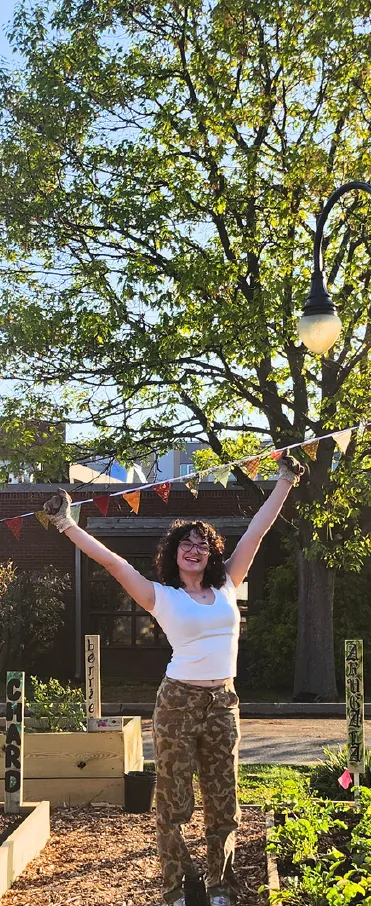
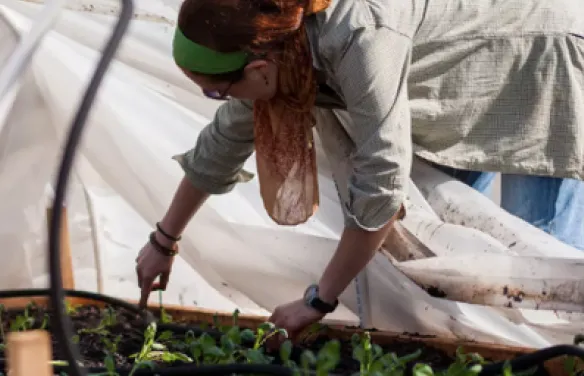
Students led an effort to revitalize the community garden, which now includes raised beds, wider pathways, and a gathering space for classes and events. Student leaders partnered with staff from Career & Civic Engagement and Facilities to create a welcoming hub for food literacy, biodiversity, and community building.
The redesign integrates features that enhance infiltration and reduce runoff, building resilience to heavy rain events while creating a multifunctional learning and gathering space.
During the course of the year, 6 planting events brought over 50 students together to plant over 500 seeds indoors and later in the garden. The garden now includes over 50 varieties of herbs, vegetables, and flowers. The abundance is distributed among members of our community.
Food Waste Reduction with Leanpath
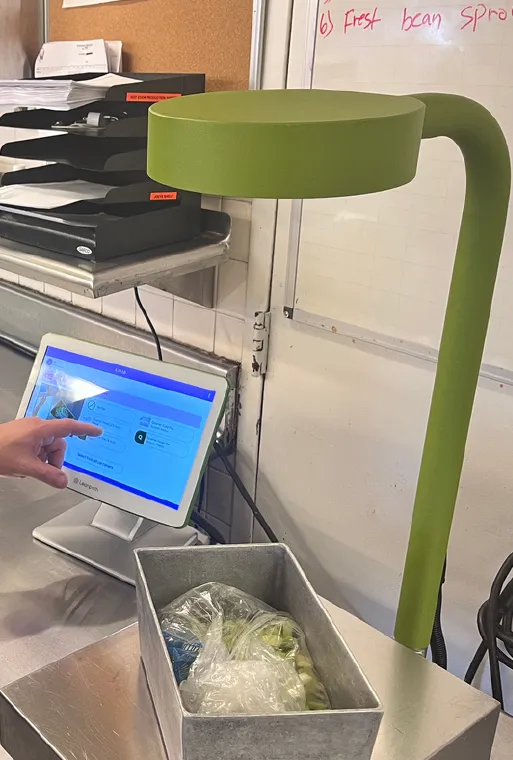
Erdman Dining Hall implemented Leanpath, a real time food waste tracking system. Over the course of Spring 2026, the team documented thousands of pounds of waste, set reduction targets, and implemented operational changes to lower food waste, reduce our carbon foorprint, and cut costs — which will, in turn, seed future projects.
The numbers are impressive! The team worked hard to collect baseline data and reduce waste by 30.91% during the semester. Over 6,146 lbs of food waste was avoided by reducing overproduction, representing cost savings of $12,773.
The table below offers additional information on the impact of this program.
| Metrics and Equivalencies | Amount |
|---|---|
| Overall Waste Reduction | 30.91% |
| Total Weight Reduced | 6,146 lbs or 3.07 tons |
| Estimated Cost Savings | $12,773.00 |
| CO2 Emissions Reduction | 19 metric tons |
| Equivalent Gasoline Conserved | 2,138 gallons |
| Equivalent Passenger Vehicles Driven (1 year) | 3-4 vehicles |
| Equivalent Tree Seedlings Grown (10 years) | 300 seedlings |
Phebe Anna Thorne School: Little Hands, Big Impact
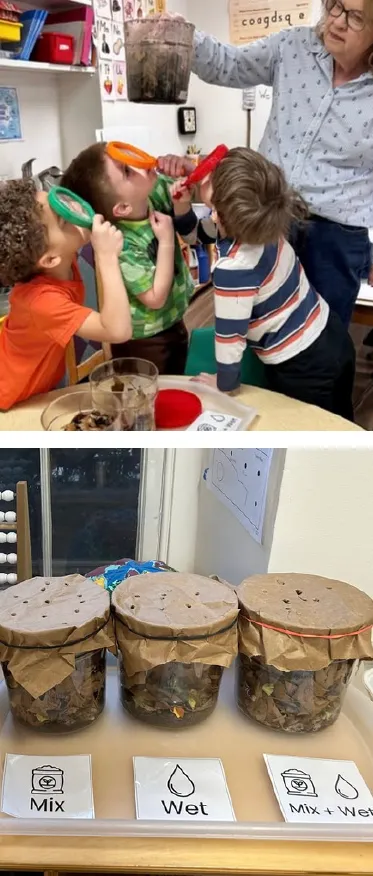
The Thorne School cultivated a greener, more sustainable community through waste mindfulness and reduction measures. Five staff members, one undergraduate student, and ten kindergarteners worked with six community partners to increase their knowledge of their own waste practices.
Preschool students at the school sifted through bags of trash (what grown-ups call a “waste audit”) and identified ways to better recycle and compost. This resulted in allowing the office to
increase their diversion rate by 64%. Two local businesses - Mother Compost and SHIFT Refillery led hands-on workshops for students about reuse and composting, which helped reduce waste at the source and return resources back to the earth.
The ripple effects were also felt by parents:
“This is SO cool! What an amazing opportunity and project. I’ve been thinking about starting compost for a while, this will be the push to get us going at home too!”
~ A kindergarten parent
Staff Association - Upgrading a Campus Tradition
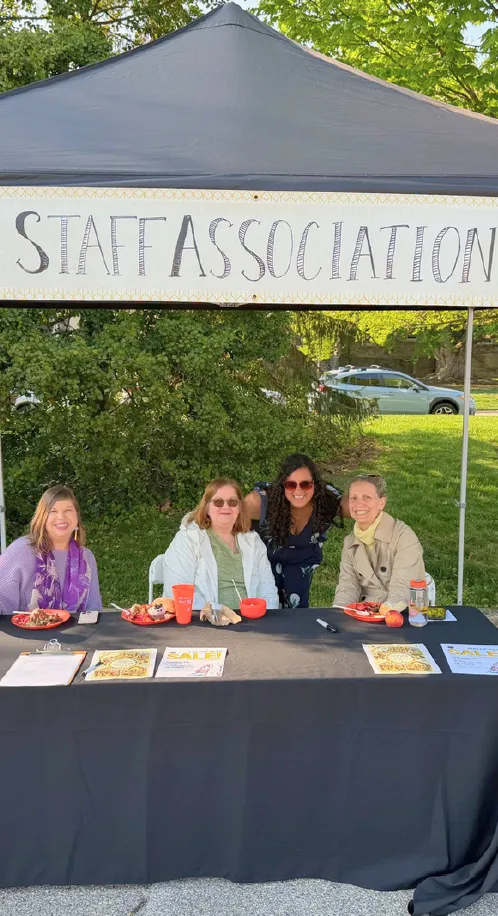
The annual Staff Association End-of-Year Sale diverts thousands of pounds of reusable goods from campus annually, and the proceeds provide professional development and community engagement opportunities for staff. This year, a seed grant provided the opportunity to hire three student interns, improve signage and outreach, and track donations and waste diversion.
- Over 54 faculty, staff, student and community volunteers.
- 549 shoppers from campus and the local community.
- 18,621 lbs of items were reused - either by shoppers, or through donations to local organizations such as Green Drop, Helpsy, Vietnam Veterans, Sanctuary Farm Philadelphia, Teacher’s Teammates, St. Clare Shelter, and Mary Jane’s Home Enrichment Center.
- Over 240 lbs of items were ecycled - cardboard, plastics, scrap metals, and textiles.
Waste Reduction and Diversion Efforts
The best type of waste is the one that isn’t produced. Waste evaluation, reduction, and diversion from the landfill has been a key focus area this year. In addition to the efforts by seed grant recipients, we assessed opportunities to improve practices and piloted new initiatives highlighted below.
Dispatch Goods: Choosing to Re-Use!
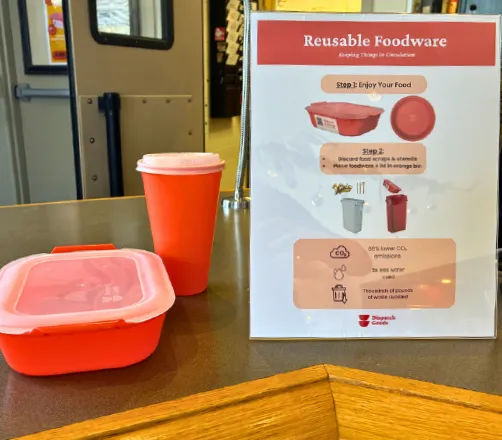
One of the most striking changes on campus this year is a new reusable container initiative in partnership with Dispatch Goods. In January 2026, the College’s popular Uncommon Grounds café transitioned entirely to reusable cups, bowls, and takeout containers. Soon after, this program was scaled to include catering and “zero waste” events such as the Earth Day picnic, May Day celebration, and reunion, accelerating a campus-wide shift to
circular food service. You can use the orange reusable containers when you visit and they can be returned to orange bins for washing and reuse!
In one year, the College community has:
- Diverted over 2.4 tons of disposables from landfill and recycling streams
- Saved 19,200 gallons of water
- Avoided 19.1 tons of CO₂ emissions from this particular reuse initiative
Helpsy Bin
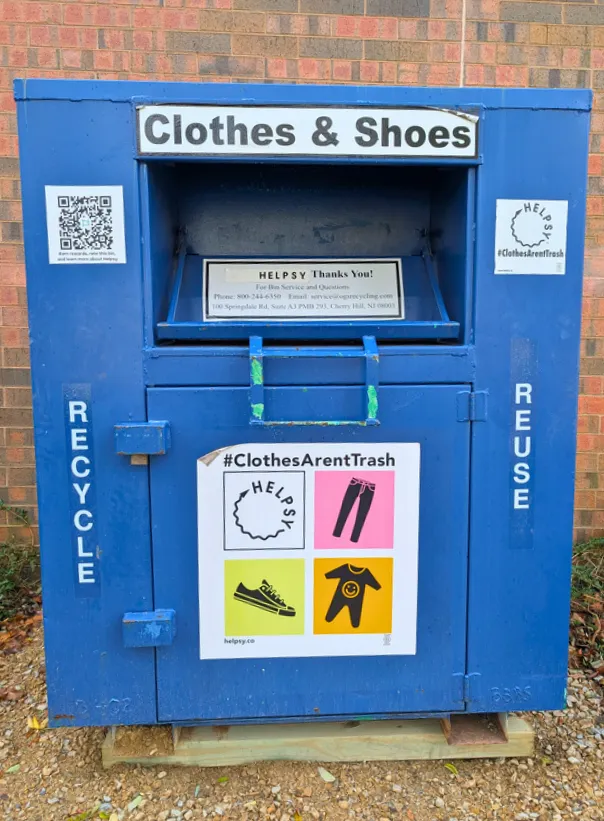
A new partnership with Helpsy offers a spot for the campus community to drop off unwanted clothing, shoes, and textiles to keep them out of landfills.
Waste Stations
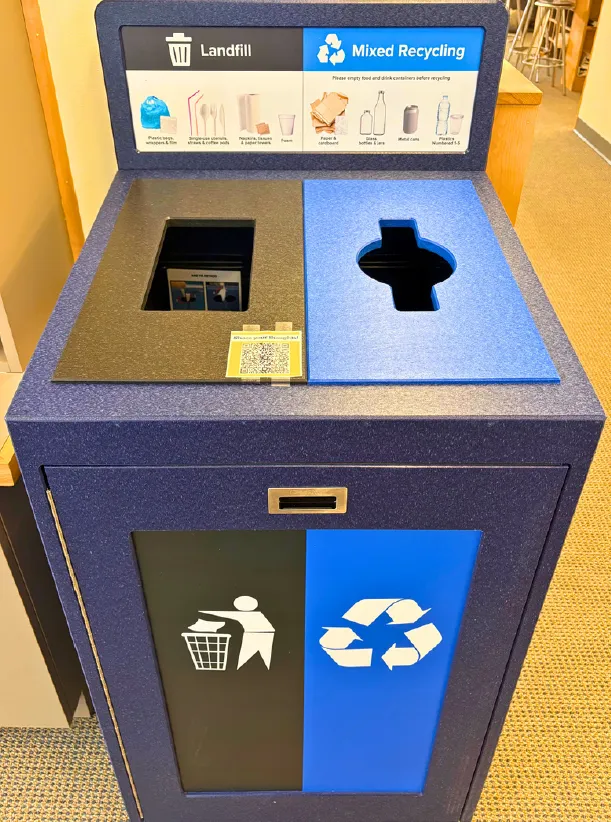
New centralized waste stations with clear signage were distributed as a pilot program, helping improve diversion rates from postconsumer waste on campus.
Electrifying Our Fleet
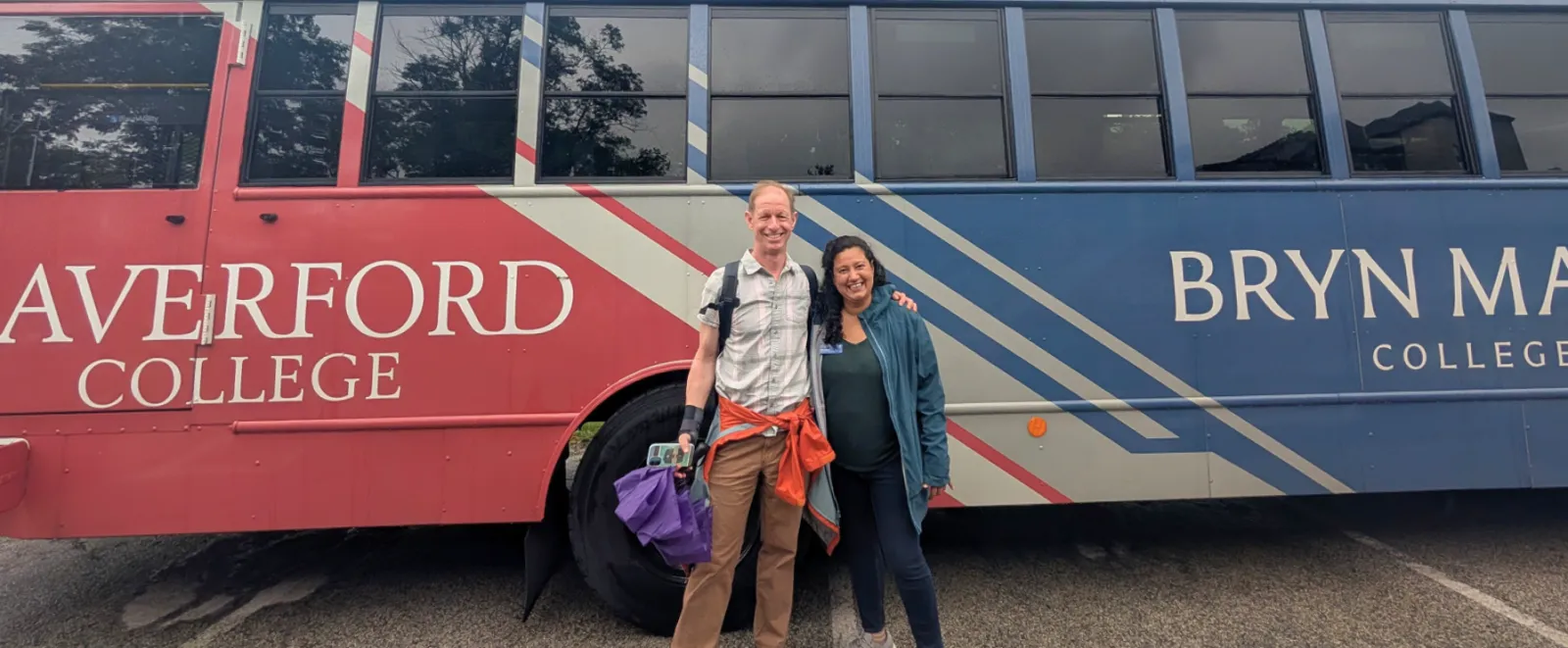
Bryn Mawr and Haverford’s shared transportation system added a second electric bus, reducing tailpipe emissions and supporting cleaner mobility.
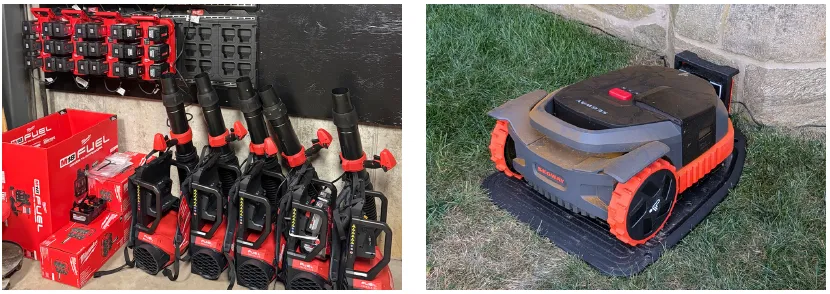
In support of Lower Merion Township’s ordinance to phase out gas-powered leaf blowers, Bryn Mawr purchased new electric landscaping equipment, including backpack and handheld blowers, string trimmers, multi-use tools, a chainsaw, a water pump, and a robot lawn mower named Lawnda - cutting air pollution, noise, and maintenance emissions while improving worker safety.
Recognition from Lower Merion Township
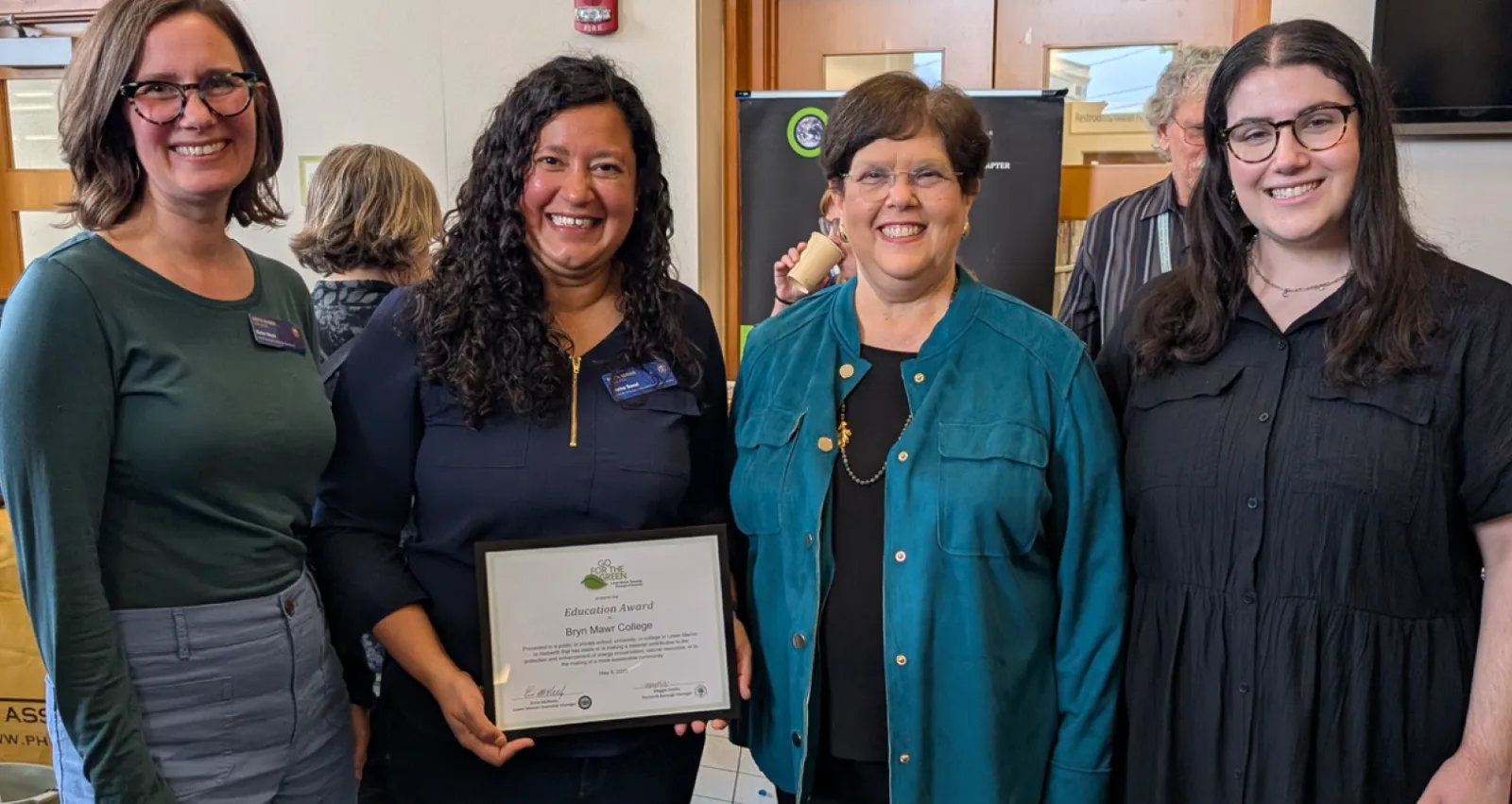
In May 2026, our efforts were recognized by Lower Merion Township’s Environmental Advisory Committee. Bryn Mawr College was named the recipient of the 2026 “Go for the Green” award in the Education category, to recognize our contributions to environmental protection, resource conservation, and eco-conscious leadership within the broader township
community.
This recognition, and the metrics presented throughout this report mark significant progress and milestones from one year. Every achievement is built on the uncounted hours, fierce advocacy, and steadfast enthusiasm of countless students, faculty, staff, and community partners whose names are written in invisible ink between the lines of this report. Thank you to all who have helped champion a greener and more resilient future for Bryn Mawr!
What's Next?
Sustainability Reporting: We are currently gathering data from across the college to improve sustainability performance and increase our score as tracked by Sustainability Tracking, Assessment, and Rating System (STARS). The revised report will be submitted in Fall 2026, and progress shared with the campus in Spring 2027.
Seed Grants Continue: Four seed grants have already been allotted to the following projects for Fall 2026:
- Career Trek to Boston: Sustainability
- Leanpath Food Waste Reduction at New Dorm Dining Hall
- Owl Spark Cart: Campus Safety in Motion for a Greener Bryn Mawr
- Reducing Electronic Waste Through Reuse and Repair
Arboretum Status: The College will be applying for Level 1 Arboretum Status through Arbnet.
Waste Reduction and Diversion: This will continue to be an area of focus, with new signage and educational opportunities offered starting Fall 2026.
Sustainability Fellows Program: A formal sustainability fellowship program for undergraduate students will be offered later this academic year.
Campus-Wide Engagement: Engagement opportunities will be offered throughout the year, but especially during October (campus sustainability month) and April (earth month).
Climate Action Planning 2.0: Over the next three years, we will continue to fine-tune our climate commitments, measure greenhouse gas impacts, and commit to action items that will pave the pathway to achieve carbon neutrality by 2035.
And more! Please be on the lookout for sustainability communications, or connect with us at sustainability@brynmawr.edu.
We look forward to working together with you this year!