

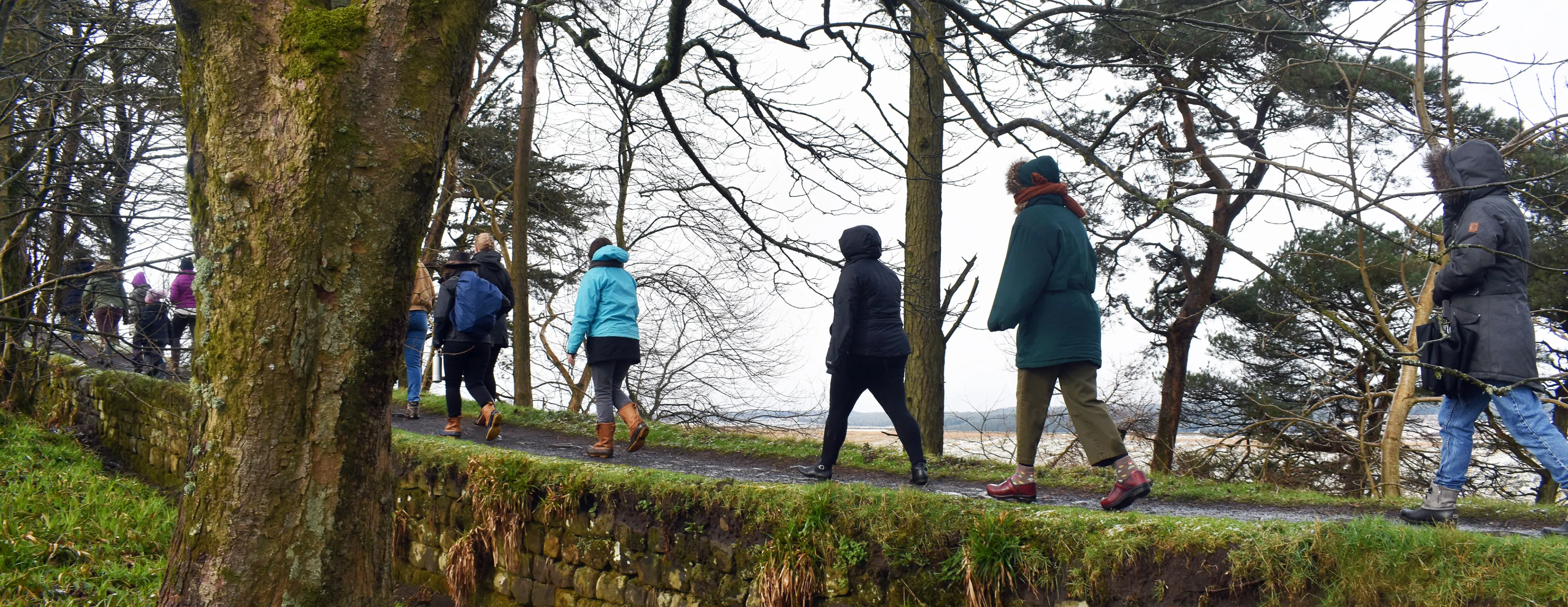
Classical and Near Eastern Archaeology
Why Study Classical and Near Eastern Archaeology?
Classical and Near Eastern Archaeology focuses on the cultures of the Mediterranean regions and the Near East in ancient times. We look at the societies and material cultures of these civilizations while learning archaeological theory and methods.
We encourage you to take classes in Anthropology, Classics, Geology, History, History of Art, and the Program in the Growth and Structure of Cities. Approaching archaeology from an interdisciplinary perspective gives you a nuanced framework for interpreting your findings. You may also travel abroad to do research with help from program funding.
Courses of Study
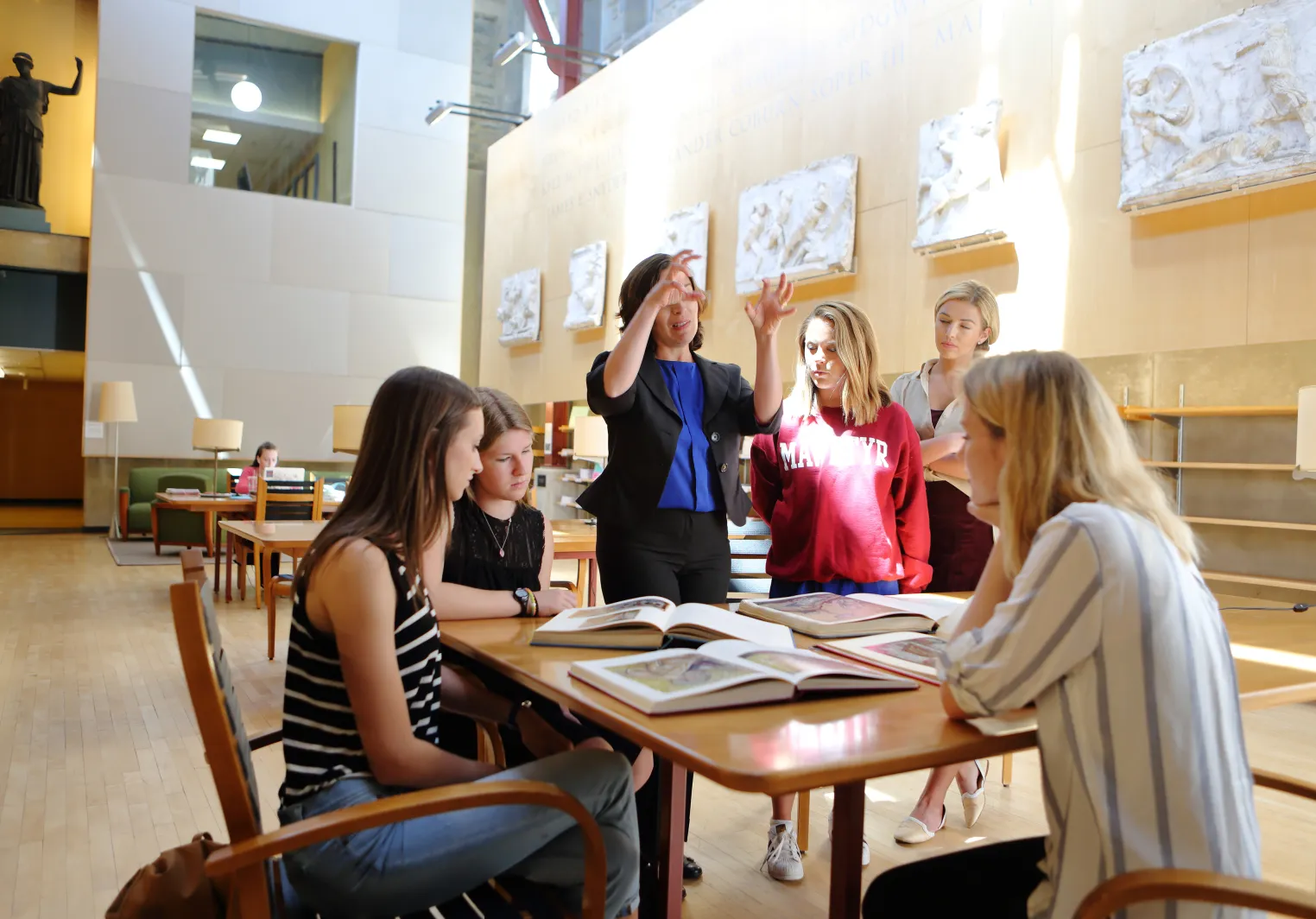
Classical and Near Eastern Archaeology offers a major and minor, as well as the possibility of working towards a masters degree as an undergraduate.
Additional Information
Masters Program in Classical and Near Eastern Archaeology
What you need to know about pursuing an advanced degree in Classical and Near Eastern Archaeology at Bryn Mawr College
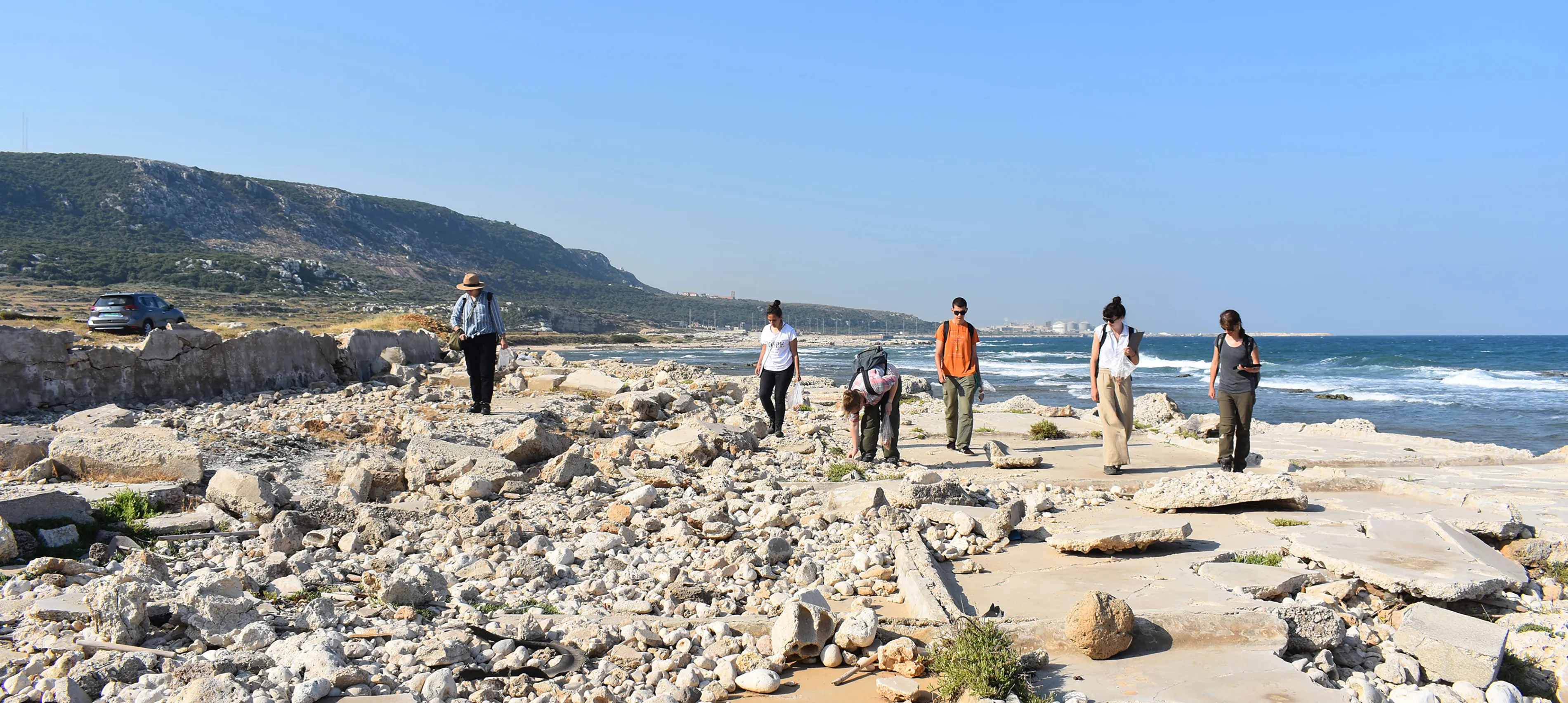
Ivana-Ajee Dolic '20Visiting the museums and getting to engage with the material hands-on is very important."
Course Highlights
ARCH B252 Pompeii
Introduces students to a nearly intact archaeological site whose destruction by the eruption of Mt. Vesuvius in 79 C.E. was recorded by contemporaries. The discovery of Pompeii in the mid-1700s had an enormous impact on 18th- and 19th-century views of the Roman past as well as styles and preferences of the modern era. Informs students in classical antiquity, urban life, city structure, residential architecture, home decoration and furnishing, wall painting, minor arts and craft and mercantile activities within a Roman city.
ARCH B258 Magic, Medicine, and Science: Health in the ancient Mediterranean
Modern medicine is built on more than 5,000 years of history-an intricate and entangled story of how humans have tried to understand, heal, and transform the world around them. Along the way, the boundaries between medicine, magic, science, religion, and philosophy have constantly shifted. What does it mean to know something? Where does religion end and science begin?
ARCH B335 Sensory Worlds, Material Lives: Archaeology and the Senses
How did the past feel, smell, sound, taste, and move? This graduate seminar explores the role of the senses in archaeological thought and practice. We examine how sensory experiences shaped ancient lifeways and how archaeologists today reconstruct-or invent-those experiences through theory, method, and imagination. Readings draw from archaeology, anthropology, history, and sensory studies, with special attention to embodiment, perception, colonial legacies, and the politics of interpretation. Students will engage critically with key debates while experimenting with creative, multisensory approaches to primary sources. Weekly reading journals, seminar discussions, and a hands-on midterm project will build toward a final project that explores how the sensory might shift archaeological storytelling, pedagogy, or public engagement. Throughout, we ask: Whose senses are centered? What senses are valued, and why? And what is at stake when trying to sense the past?
Internship Experiences
Classical and Near Eastern Archaeology majors embark on all kinds of internships. Here are a few recent examples:


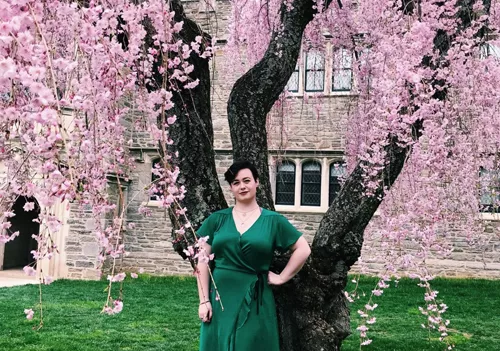
Faculty Spotlight

Astrid Lindenlauf
Associate Professor and Chair of Classical and Near Eastern Archaeology, and Director of the Graduate Group in Archaeology, Classics and History of Art
Professor Lindenlauf is an expert in disposal and recycling of waste in the distant past, the growth and change of Athenian city walls, and the painting and use of vases in ancient Greece.
A Bright Future
How Classical and Near Eastern Archaeology grads are lighting their paths

Ioana A. Dumitru, '11Everybody is empowered to be a human who gets to make choices and be treated with respect."
Opportunities for Classical and Near Eastern Archaeology Majors
Research and Field Work
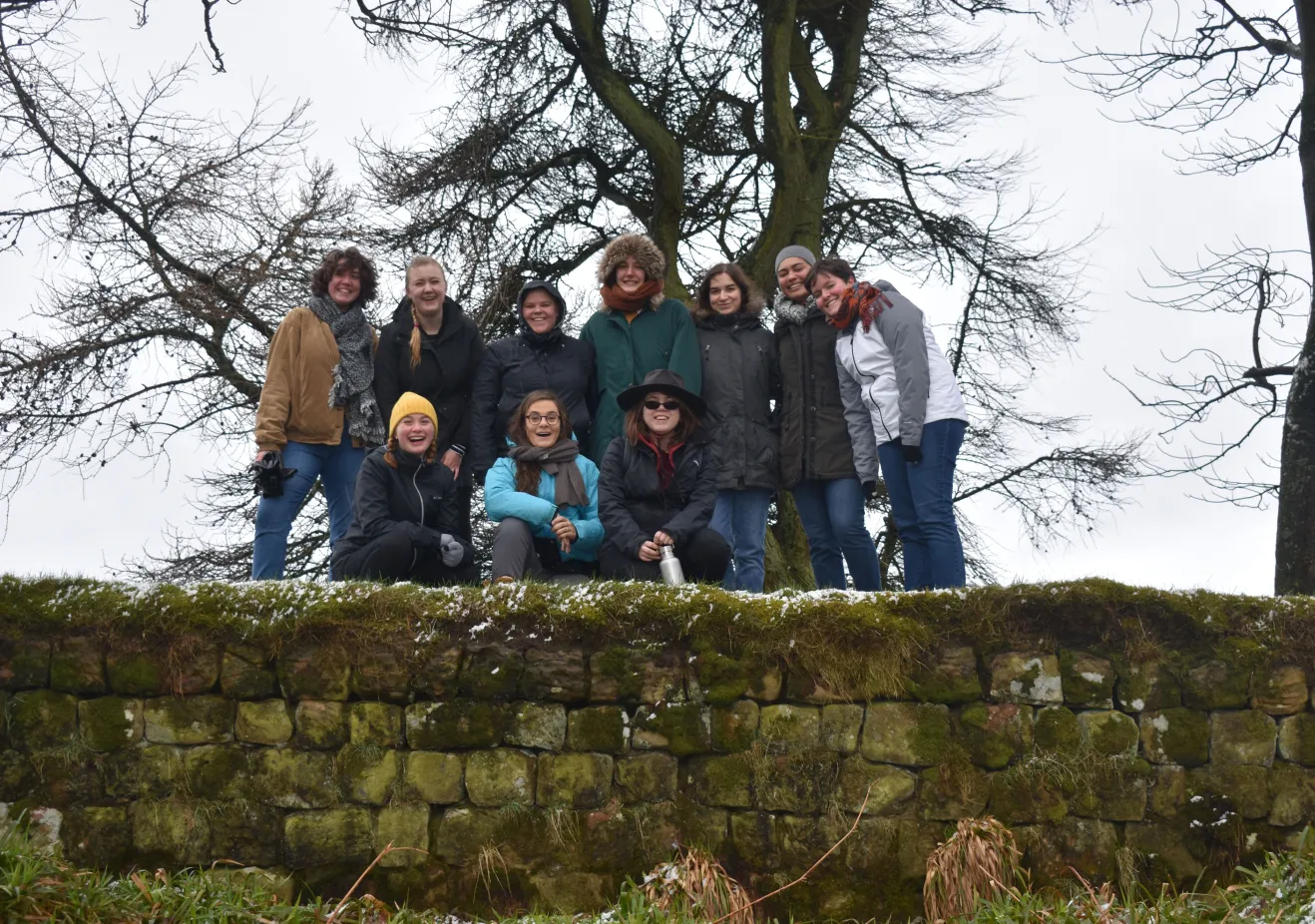
We encourage you to undertake field work during the summer. Some opportunities may be available through the program, while you may also find your own fieldwork placements.

Internships
You may be interested in taking internships during breaks in the academic calendar. Internships are available through the Classical and Near Eastern Archaeology program, through Bryn Mawr College Special Collections, and through external programs.

Funding for Summer Learning
We have two funds that can support you for summer internships, summer fieldwork projects, and archaeological summer projects of your own design.
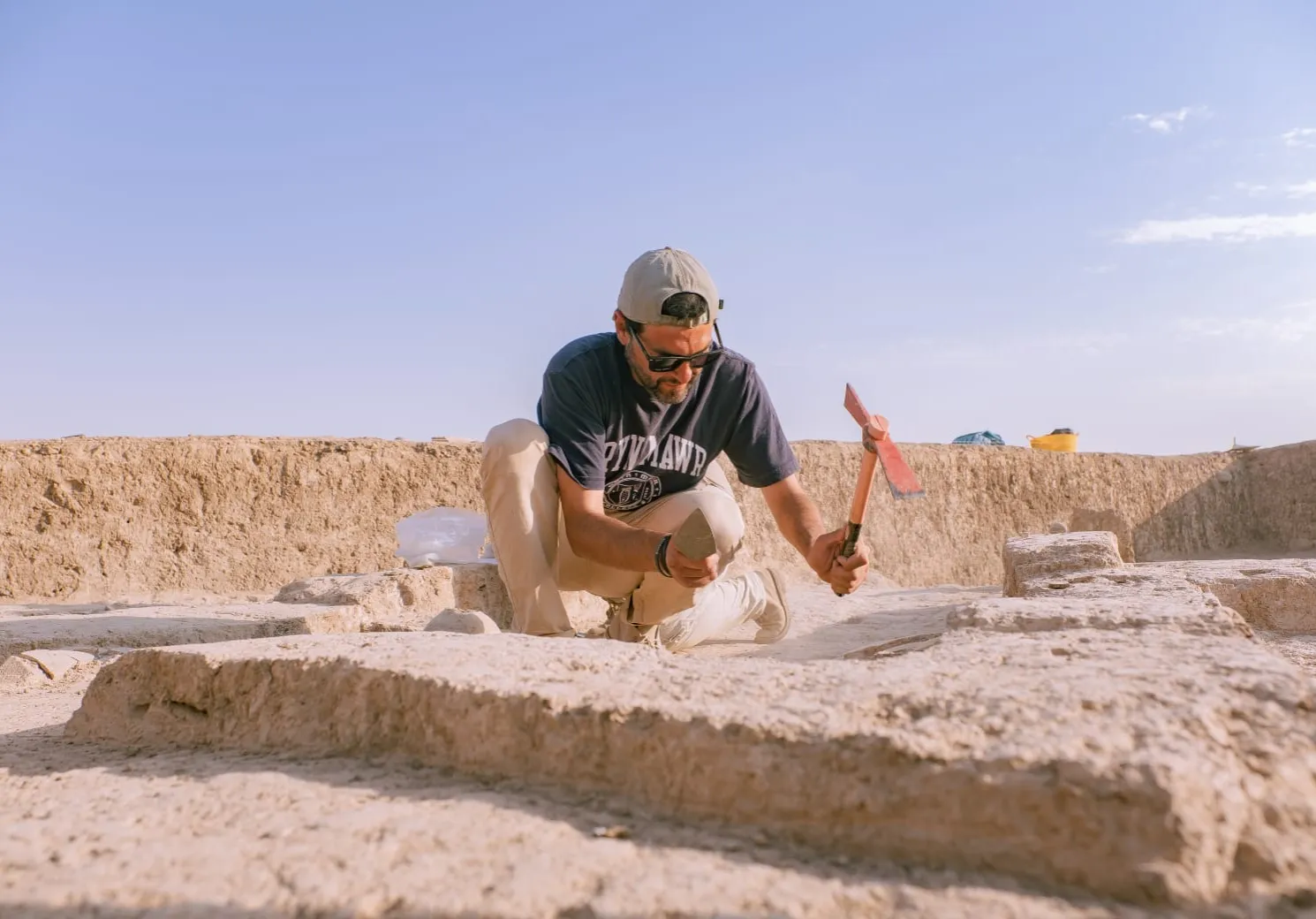
Professor Rocco Palermo's Research Breakthrough
Rocco Palermo Unearths 6,000-year-old Settlement at Iraqi Archaeological Dig
More Social Science News
Classical and Near Eastern Archaeology is just one of the social science programs offered at Bryn Mawr. Here's what's happening in the social sciences throughout the college:


Contact Us
Classical and Near Eastern Archaeology
Old Library
Bryn Mawr College
101 N. Merion Avenue
Bryn Mawr, Pennsylvania 19010
Phone: 610-526-5053 or 610-526-5334
Fax: 610-526-7955