All News

Celebrating A World of Chinatowns

February 18, 2026
Every Lunar New Year, media coverage often begins with an ornate Chinatown gateway, a symbol of celebration and tradition. But for Professor Gary McDonogh of Bryn Mawr's Growth and Structure of Cities Department, those gateways are only the beginning. In a forthcoming book drawing on decades of travel and research, he examines how Chinatowns around the world reveal evolving stories of migration, culture, and belonging.
 
McDonogh has studied Chinese communities and the neighborhoods they shape, documenting Chinatowns in the Americas, Europe, Africa, and Asia. His photographs capture places that range from iconic, centuries-old enclaves to newer, smaller hubs defined less by arches and ornament than by everyday language, storefronts, food, and community life.
 
McDonogh and his partner, Cindy Wong, have published multiple articles on these Chinatowns, their histories, architecture, social structures, politics, and food. They are now completing a book exploring what the resilience, creativity, and connections of global Chinatowns can teach us about contemporary and future urbanism.

Chinatowns Around the World

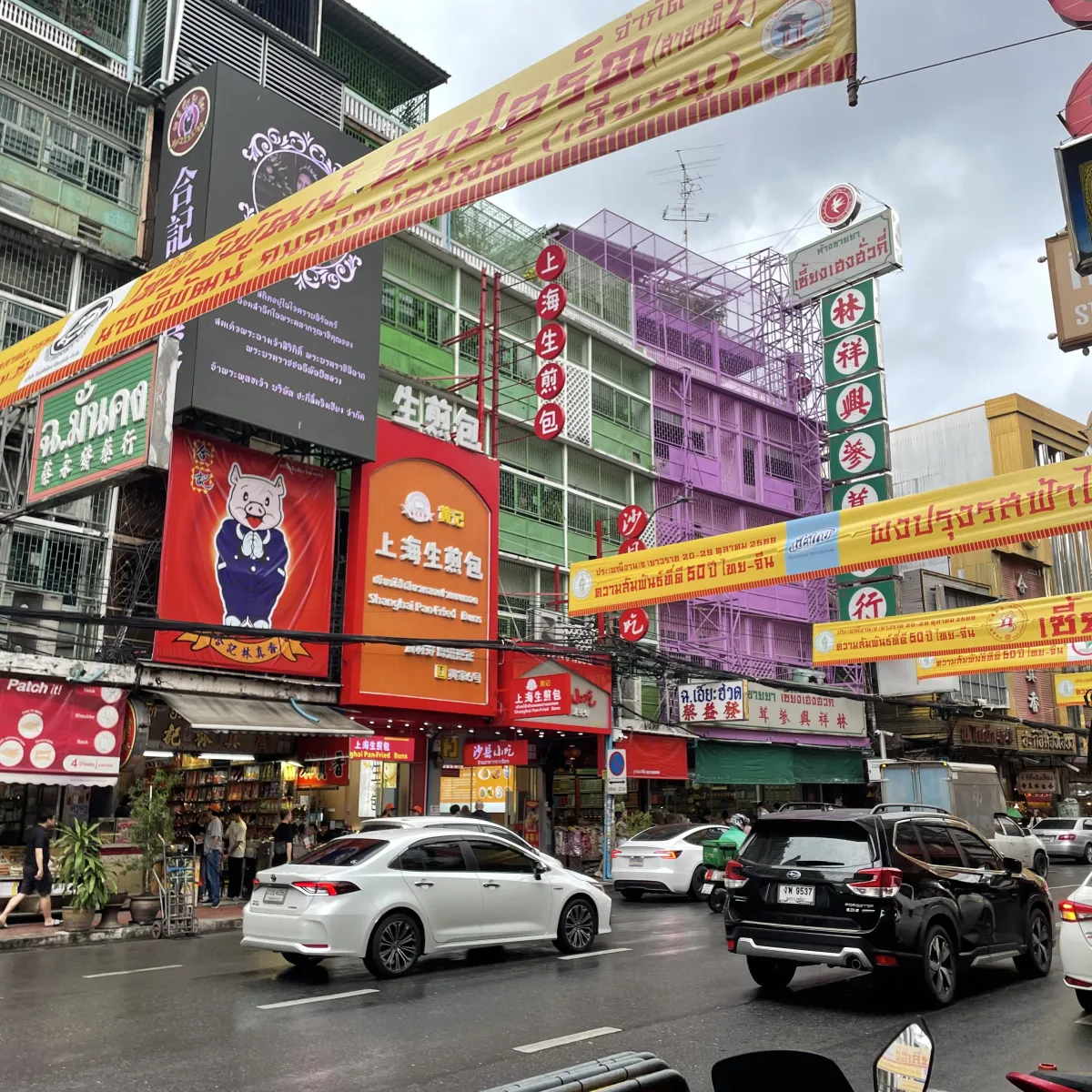
Chinatown in Bangkok

Bangkok, Thailand

Chinese merchants were active in Thailand’s former capital of Ayutthaya as early as the 13th century, and Chinese communities have shaped Bangkok since the city’s founding in 1789. While Chinese residents gained economic power and extraterritorial privileges in the 19th century, many were formally integrated into Thai society in the 1930s.

Even so, older families and newer immigrants have maintained vibrant cultural traditions from temples and multigenerational family businesses to distinctive regional cuisines, especially those rooted in Chiu Chow heritage. Today, Bangkok’s Chinatown centers on the bustling Yaowarat Road in the Samphanthawong District, known for its markets, street vendors, and electric energy. Thai Chinese communities continue to play influential roles across finance, business, and politics, with several recent prime ministers tracing Chinese ancestry.


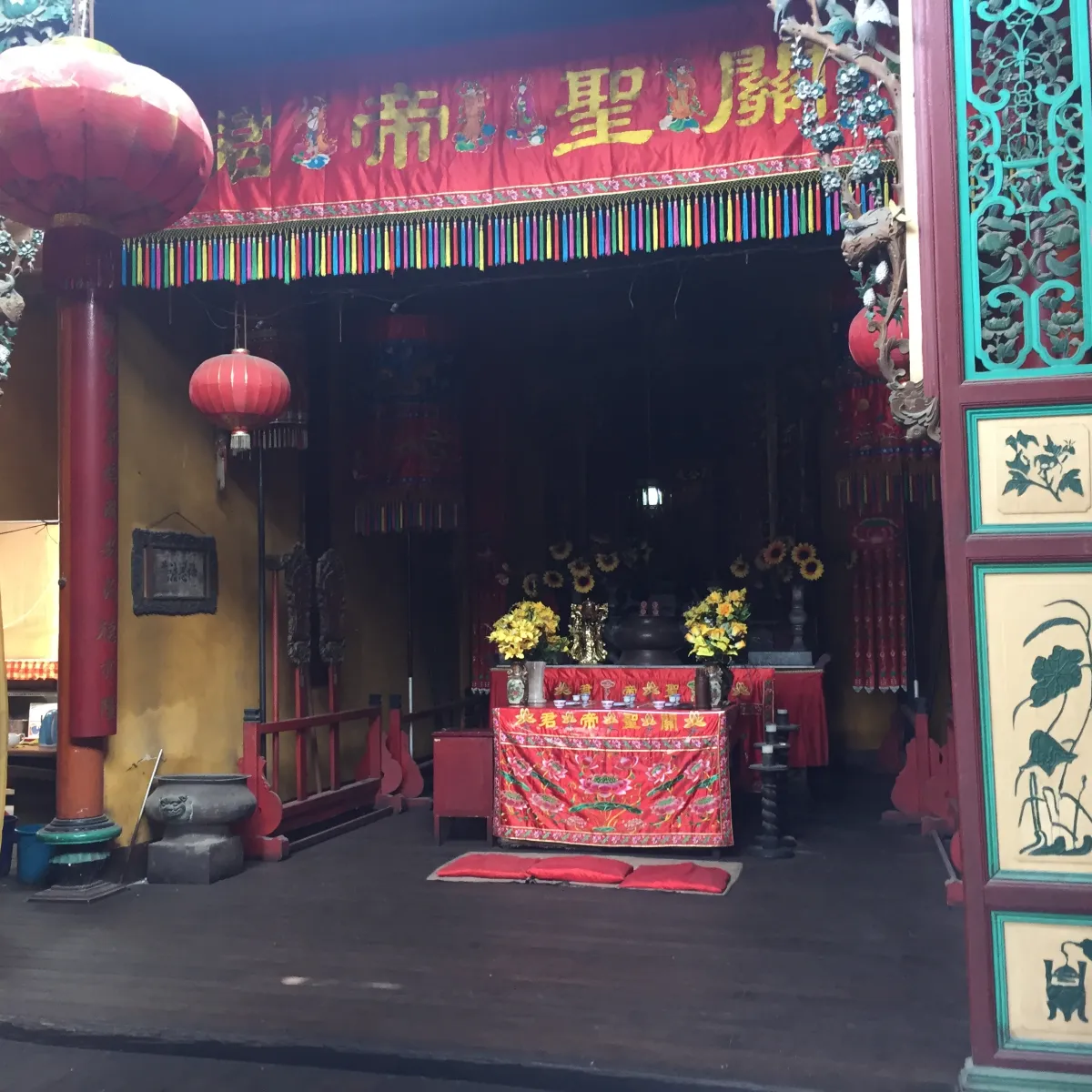
Lima Chinatown

Lima, Peru

Lima is home to the largest Chinese community in the Western Hemisphere outside the United States and Canada. Chinese migrants first arrived in the mid-19th century as indentured laborers brought to replace enslaved workers in fields and guano mines. Many left those systems as soon as they could, establishing families and businesses in cities, especially Lima.

This Kong Chow temple, built in 1849, sits at the heart of the historic Chinatown along Calle Capón, where family associations helped anchor community life. Today, people of Chinese descent make up an estimated 5 to 10% of Peru’s population, and their influence is woven into everyday culture. Dishes like arroz chaufa (Peruvian fried rice) have become national staples, served in homes and thousands of Chinese-Peruvian restaurants, known as chifas, across neighborhoods ranging from informal settlements to affluent suburbs.

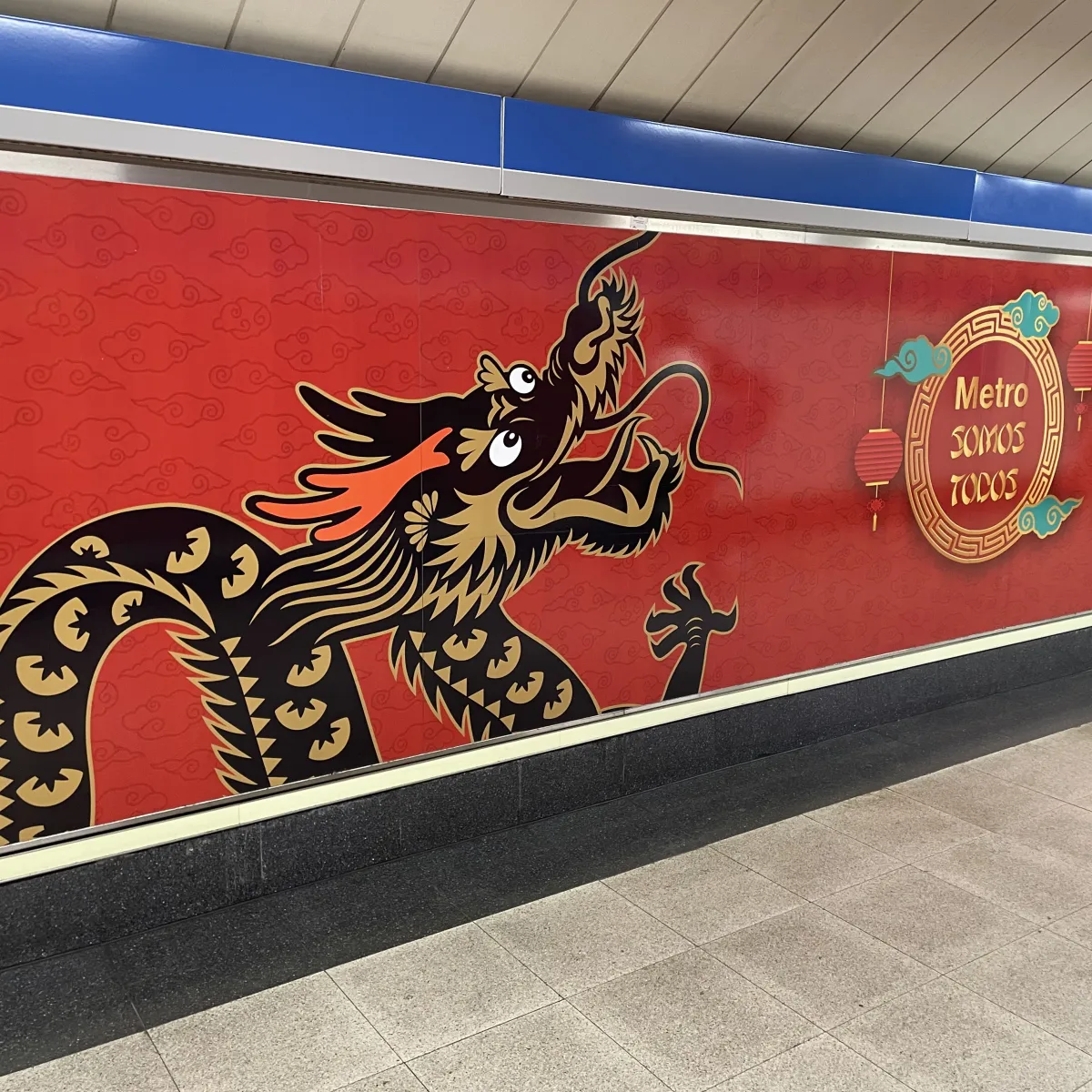
Madrid Chinatown

Madrid, Spain

Although Spain had early global connections to China through Manila, large-scale Chinese migration to Spain is relatively recent, taking shape in the late 20th century as Spain’s economy expanded within the European Union. Before then, the term barrio chino (Chinatown) often referred to red-light districts rather than ethnic enclaves.

Most Chinese migrants to Spain trace their roots to Qingtian in Zhejiang Province, where families pooled resources to launch businesses abroad. Restaurants and small retail shops, known as bazares, became fixtures across Spanish cities and throughout Europe. Today, the largest Chinatowns are in Madrid (especially Usera) and Barcelona, with major wholesale hubs near both. As communities have grown more visible, local governments have begun embracing that presence. In 2022, Madrid announced plans to further develop and celebrate a more defined Chinatown identity, symbolized in part by dedicated metro entrances (pictured) and public markers.

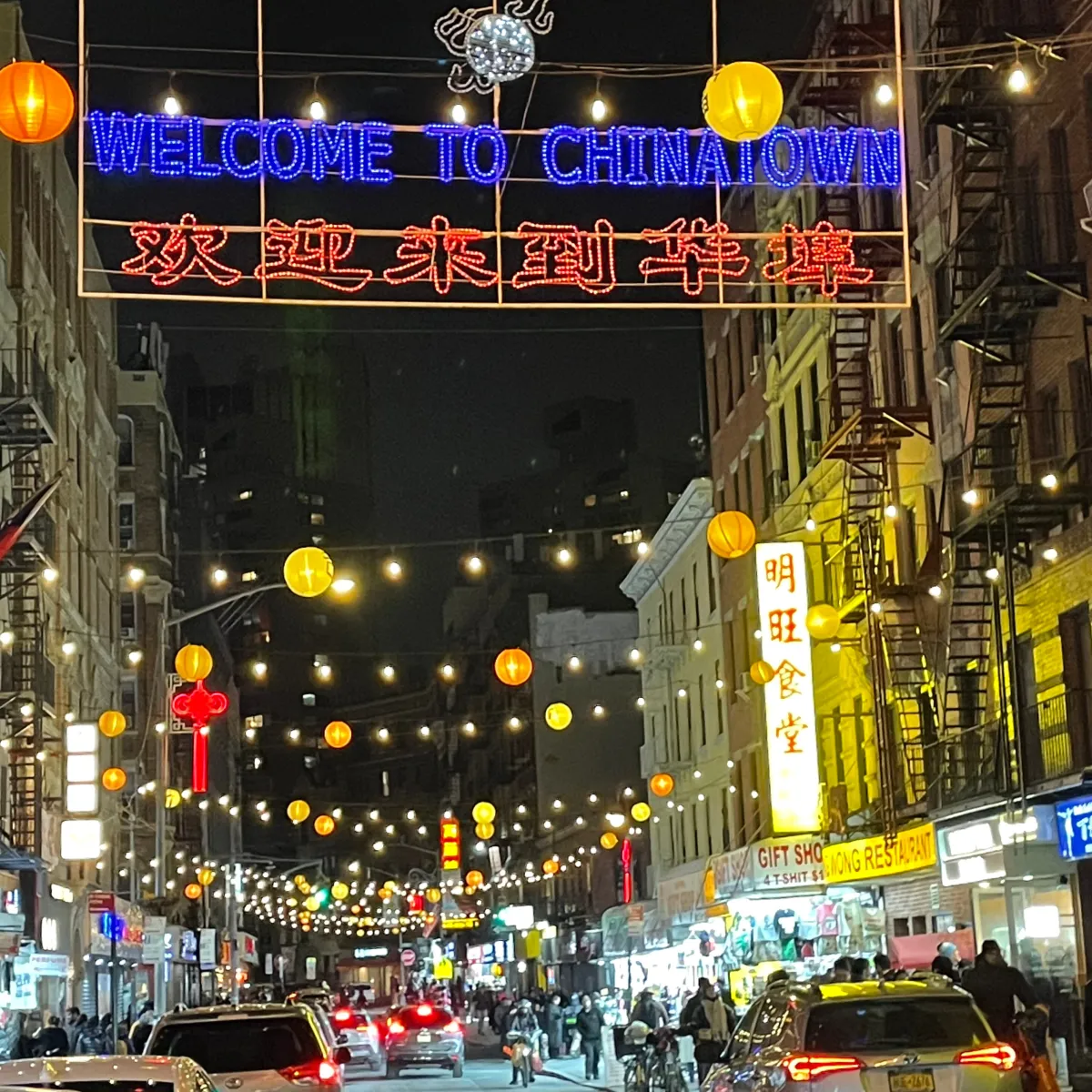
NYC Chinatown

New York City

For many, the Chinatowns of San Francisco and Manhattan are emblematic of Chinatown history, architecture, and culture.  Each has developed for more than 150 years, facing problems of discrimination, neglect, and recent pressures of gentrification and urban growth.  

Manhattan's Chinatown today is one of several in New York City, where other migrants have created thriving enclaves in Flushing and Long Island City in Queens and in Sunset Park and Bensonhurst in Brooklyn.  These balance the older Cantonese migrants (and more recently, their Fujianese neighbors along East Broadway) with new trends in food and culture from Taiwan and Mainland China. All host public celebrations of New Year's with Lion Dances and fireworks, as well as celebrations in many family homes and restaurants.

""

Growth and Structure of Cities

Bryn Mawr's Growth and Structure of Cities Department challenges students to understand the dynamic relationship of urban spatial organization and the built environment to politics, economics, cultures, and societies.