

East Asian Languages and Cultures
Why Study East Asian Language and Culture?
The East Asian Languages and Cultures program at Bryn Mawr and Haverford Colleges draws focus away from traditional ideas and stereotypes about East Asia. Through rigorous language study and deep engagement with academic and cultural texts, we put East Asian culture and history in a global and a human context.
Language study is central to the understanding East Asian culture and history. The intensive study of Japanese, Chinese, and Korean will help shape your perspective as you explore ancient and modern texts alike. This combined understanding gives a wide perspective that will serve well in pursuing your future career in the US or abroad.
Courses of Study
East Asian Languages and Cultures offers multiple possible degree programs.


Course Highlights
EALC B210 K-Pop and The Korean Wave
This course provides an introduction to the globalization of K Pop and Hallyu, the recent cultural phenomenon from Korea. To fully understand this phenomenon, the course will delve into the diverse contexts that have shaped K - Pop and other Korean media products, including their historical, political, economic, social, and cultural backgrounds. Additionally, the course offers an opportunity to explore key aspects of Korean culture that are reflected in K - Pop and other Korean media products. Students will have the chance to listen to K - Pop songs, watch Korean films, excerpts from K - Drama, Korean documentaries, and more, making the course both informative and enjoyable. No prior knowledge of the Korean language is required
EALC B315 Spirits, Saints, Snakes, Swords: Women in East Asian Literature & Film
This interdisciplinary course focuses on a critical survey of literary and visual texts by and about Chinese women. We will begin by focusing on the cultural norms that defined women's lives beginning in early China, and consider how those tropes are reflected and rejected over time and geographical borders (in Japan, Hong Kong and the United States). No prior knowledge of Chinese culture or language necessary.
EALC B264 Human Rights in China
This course will examine China's human rights issues from a historical perspective. The topics include diverse perspectives on human rights, historical background, civil rights, religious practice, justice system, education, as well as the problems concerning some social groups such as migrant laborers, women, ethnic minorities and peasants.
360° Programs Expand Your Horizons
The Bi-Co's 360° Program takes a multidisciplinary approach to understanding our ever changing world. The EALC professors and students have routinely engaged in these nuanced studies of science, culture, and history.


Faculty Spotlight

Shiamin Kwa
Professor of East Asian Languages and Cultures and the Eugenia Chase Guild Chair in the Humanities
Professor Shiamin Kwa received her MA and PhD in Chinese Literature from Harvard University and her BA in English Literature from Dartmouth College. Her research interests include theater and fiction, food studies, graphic narratives, literary and cultural studies. She is the author of many works, most recently Perfect Copies: Reproduction and the Contemporary Comic (2023). In 2019, she received Bryn Mawr College’s Rosalyn R. Schwartz Teaching Award.
Lighting Their Paths: Alumnae/i Stories
From East Asian Studies (Languages and Culture) and Fine Arts major to New York artist: Mika Tajima tells her story.

Mika Tajima '97I was attracted to the Seven Sisters for the community of women and feminist viewpoint."
Opportunities for East Asian Languages and Cultures Students

Internships
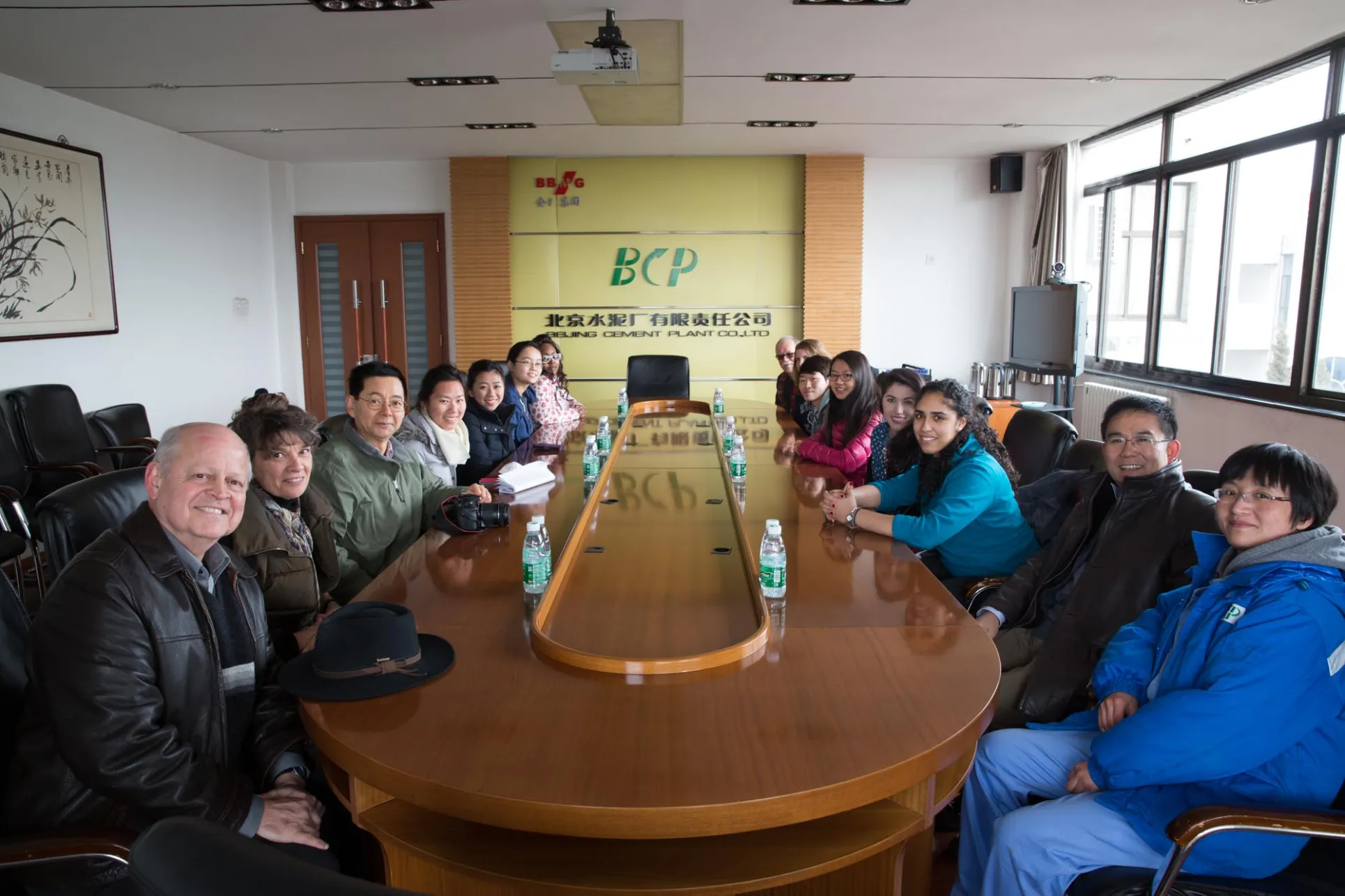
Internships give you the opportunity to experience professional workplaces while still in school. Many East Asian Languages and Cultures students choose to pursue internships over summer vacation.
Cultural Excursions
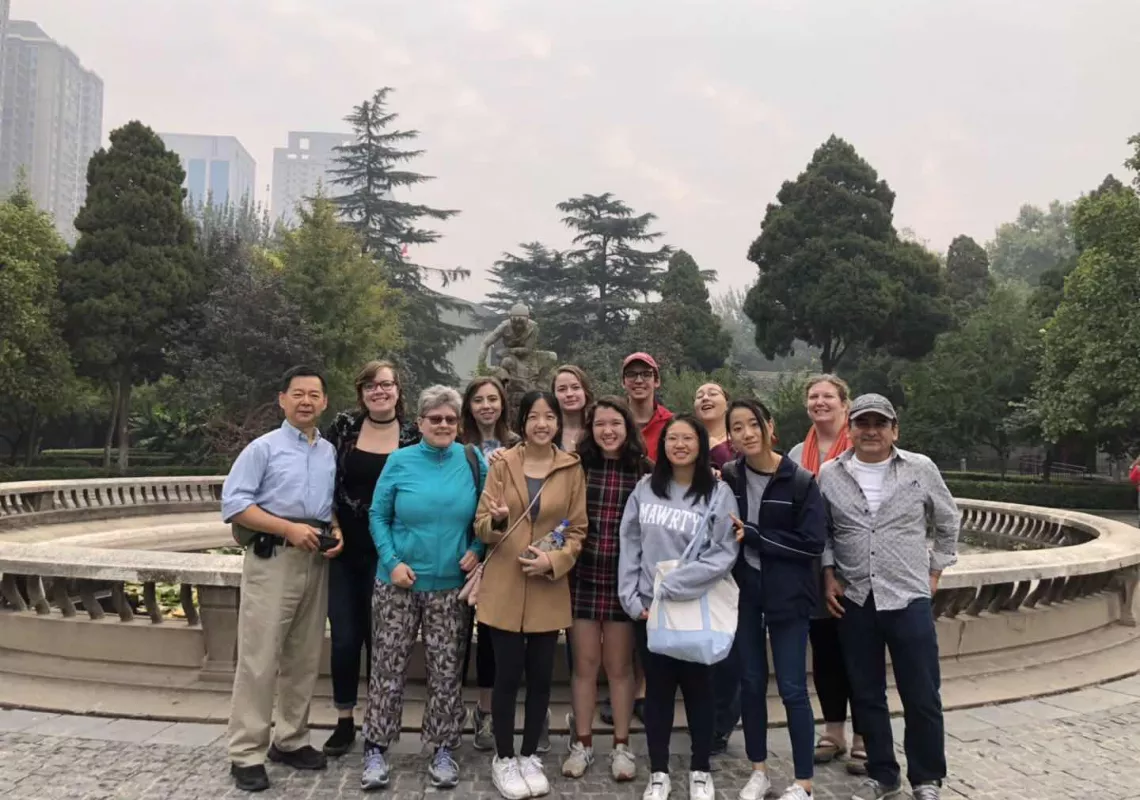
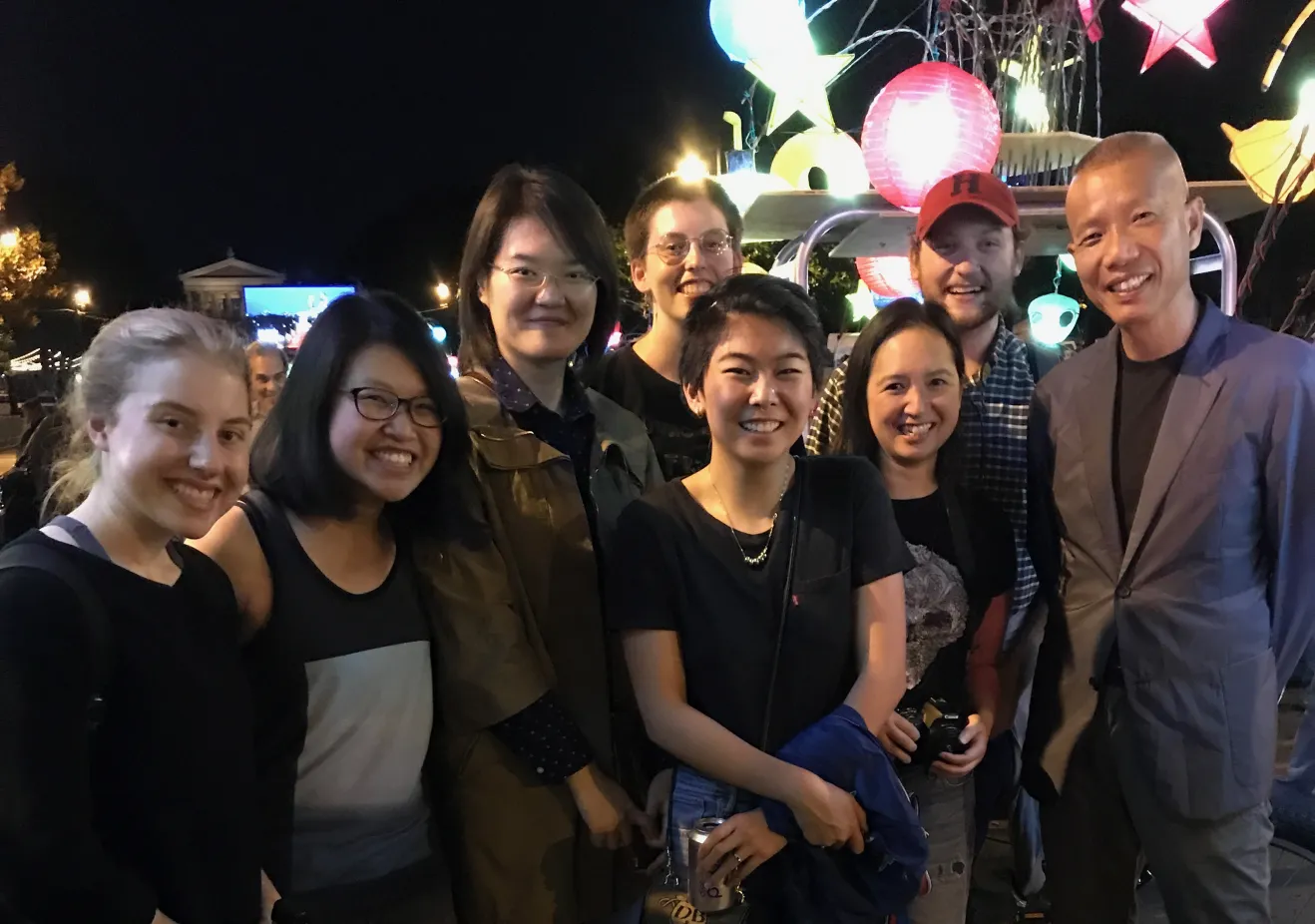
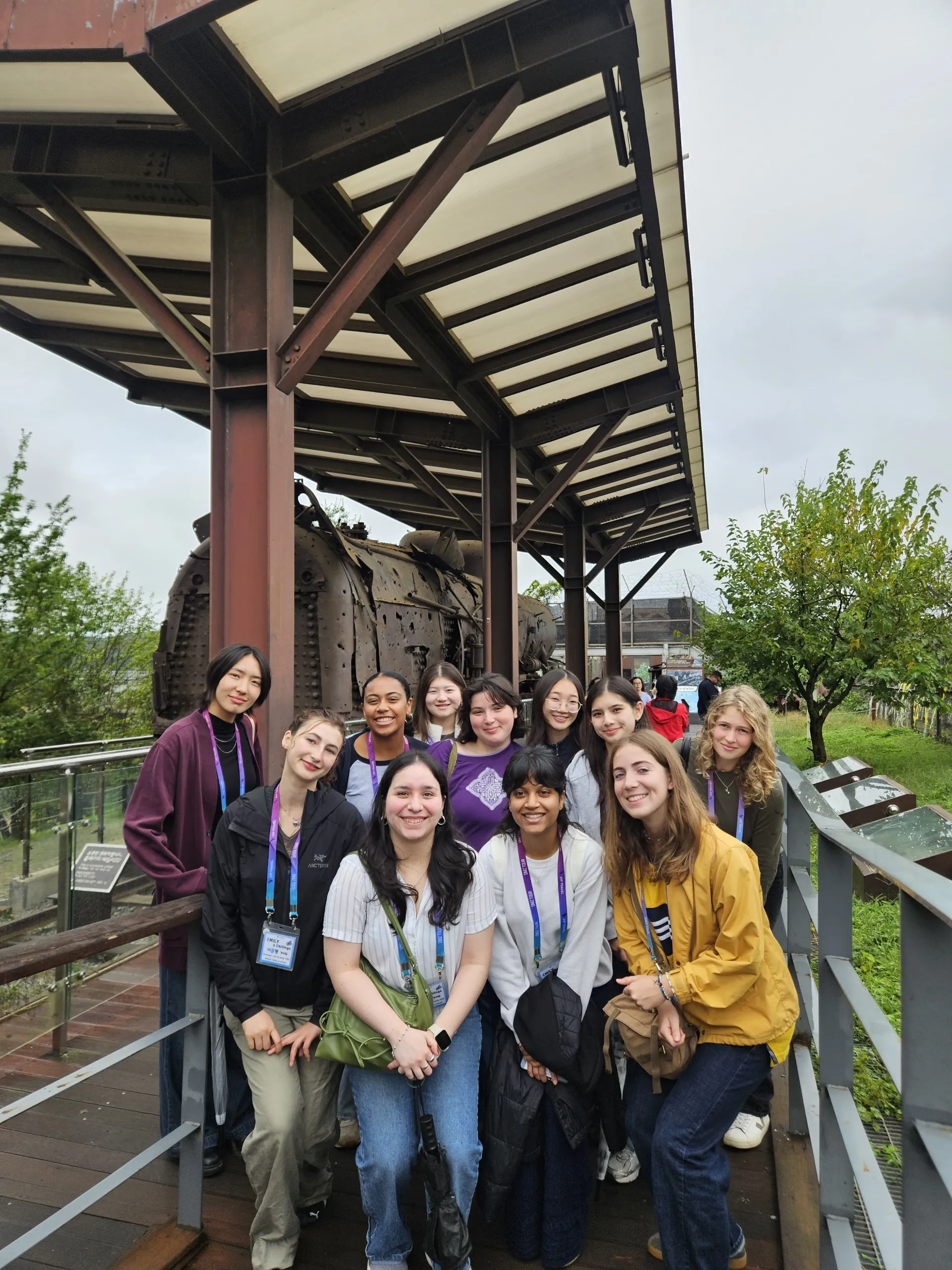
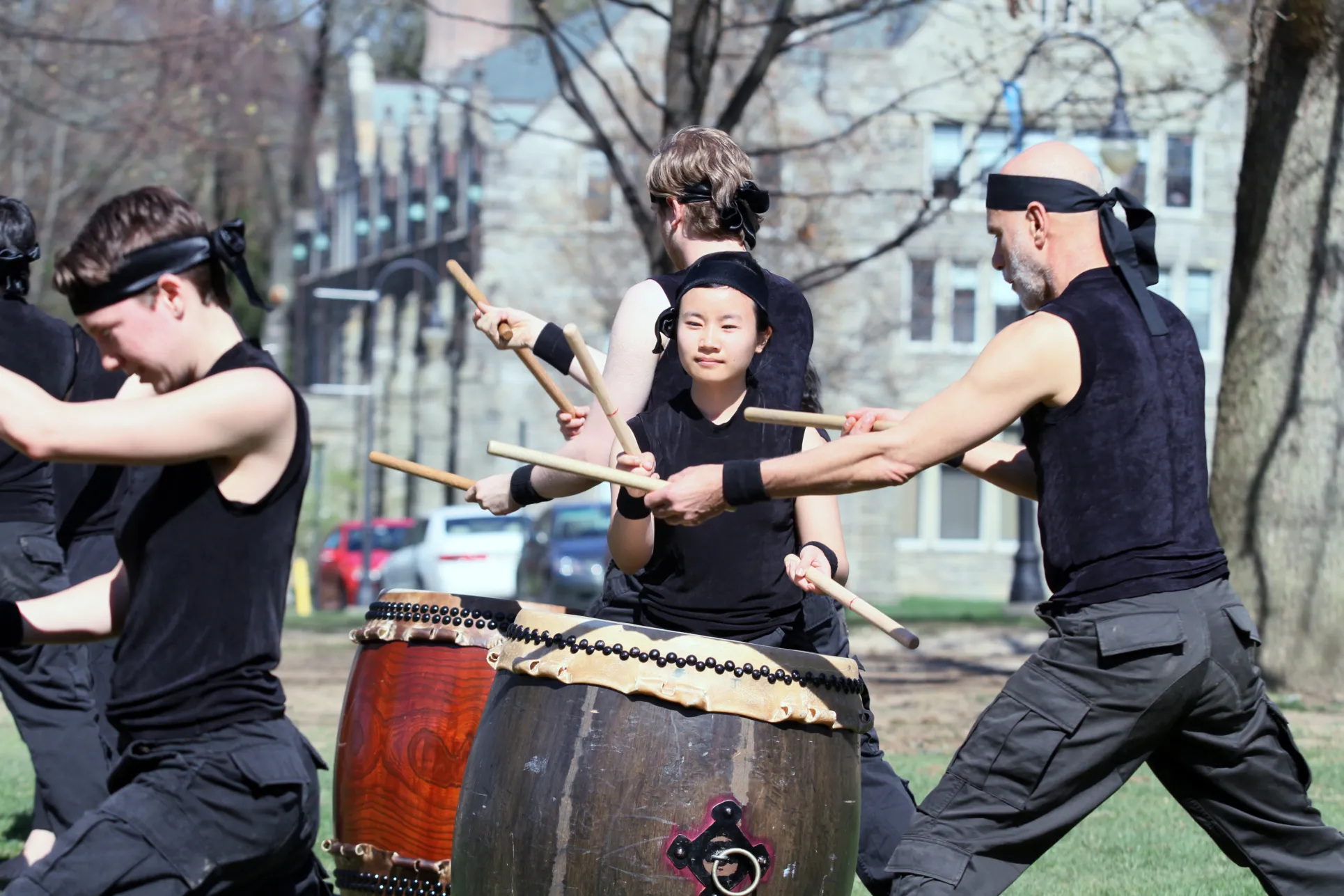
As culture continues to evolve, East Asian Languages and Cultures majors step into the world to engage art, ideas, food, and fashion head on. Professors encourage you to attend local events relevant to your studies to experience culture and art firsthand.

Study Abroad
Study abroad boost language skills and cultural understanding. You are encouraged to find a program that fits their interests and language goals.
East Asian Languages and Cultures FAQ
If you have previous experience with your target language, you will need to talk to a language instructor about taking a placement test before classes begin.
If you are new to your target language, start with beginner level class, no test needed.
Yes, East Asian Languages and Cultures majors are required to complete 3rd year study of Japanese, Korean, or Mandarin Chinese.
No. East Asian Languages and Cultures minors must complete 6 courses in the department. Japanese, Korean, or Mandarin Chinese language courses at the second year level or above can be counted towards the minor, but you can also minor without taking any.
Study abroad is not required, but it is encouraged. Immersion in your target language can greatly improve your language skills.
Exploring the Diverse Food Culture of Xi'an China
Senior Lecturer and Director of Chinese Changchun Zhang's exhibition on the diverse food culture of China, with focus on Muslim Food Street in his hometown of Xi'an.






Humanities News
East Asian Languages and Cultures is part of a diverse program of humanities at Bryn Mawr College. Here's what's new:




Contact Us
East Asian Languages and Cultures
Administrative Assistant
Pat Healey
Email phealy@brynmawr.edu
Phone 610-526-5332
Professor and Co-Chair of East Asian Languages and Cultures
Yonglin Jiang
Email yjiang@brynmawr.edu
Phone 610-526-5027