


Thesis Thursday: Laurel Gabbard '26
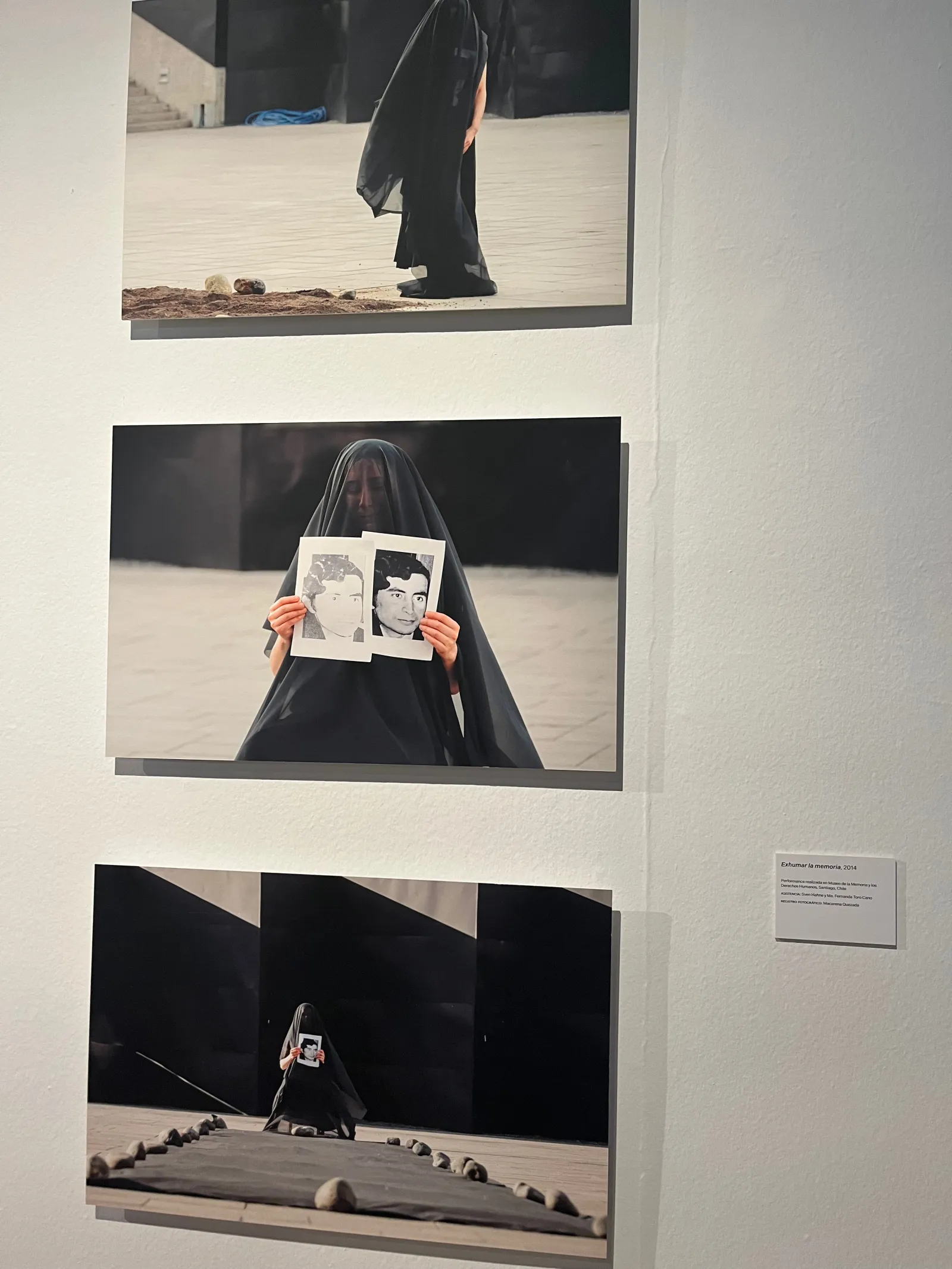
"Grieving the Missing Body: De-Pathologizing Melancholia in Janet Toro’s Post-Dictatorship Work"
"Grieving the Missing Body: De-Pathologizing Melancholia in Janet Toro’s Post-Dictatorship Work"
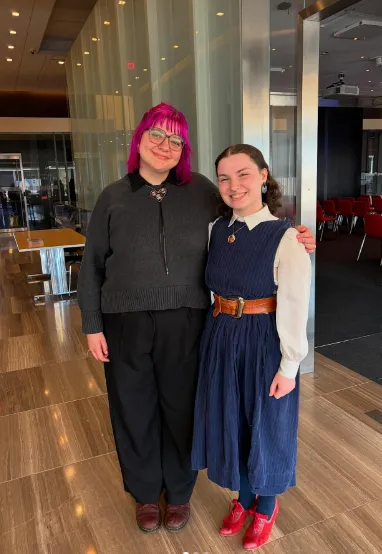
Laurel Gabbard ’26 is a double major in History of Art and Spanish, with a minor in Museum Studies. Below, she shares insights into her senior thesis process.

Tell us about your thesis!
"Throughout my thesis process, I have been able to have multiple Zoom calls with the artist, which has been really special in the production of this thesis."
What result or outcome did your work produce?
How did Bryn Mawr support you during your thesis work?
For the History of Art major, students are all part of a year long senior seminar course. In the fall, we spent classes reading and engaging different approaches to art historical analysis, while also developing our thesis proposals, reading sources, narrowing down our topics, and finally, turning in a polished proposal at the end of the semester.
At the start of the spring semester, each student is assigned a thesis advisor in the department who has some experience or familiarity with your topic, and you then spend the semester working with your advisor to complete your thesis. There are deadlines throughout the semester to keep students on track, and the feedback that you receive from the advisor really helps you shape the direction of your writing, and maintain a strong argument, with the intention of creating the best piece of writing possible. I also used the Writing Center here at Bryn Mawr, specifically the “writing partner” program, where thesising seniors can be assigned a peer who they then meet with every week of the semester as a recurring appointment. It’s a great space to have work time, ask questions, get feedback, work to make a plan, and overall, complete a well thought out thesis!
"I also used the Writing Center here at Bryn Mawr, specifically the “writing partner” program."
How, if at all, will you be using your thesis work in your post-grad plans?
I am hoping to eventually complete a masters in art history, probably either in time-based media or performance art, so this experience of having so much initiative in topic choice, proposal, and execution of the work is definitely something I will carry with me.
Did anything surprise you about your thesis work?
I was surprised by how much I had to say about the work; I was nervous beforehand about falling short on having enough content, but even as I finish my thesis, there is more that I would love to investigate and think about in terms of my topic! I love the works and artists that I chose, and my passion has only grown, and I am shocked by just how much I have learned and continue to imagine as I work through the process.
In brief, what are your post-grad plans?
This summer, I will be interning at the Barnes Foundation in Philly, working in their archives department. I am planning to stay in Philly for a year, and I hope to apply to art history masters programs in Spain next winter.

Curious about student research at Bryn Mawr?
Bryn Mawr College offers undergraduate students many opportunities to undertake academic research. Students refine their research skills once they have declared a Major course of study, with many departments offering research methodology courses along with senior thesis opportunities. Click the button below to learn more.