
Education
Why Study Education at Bryn Mawr College?
The Education Studies program centers teaching and learning as crucial to life and growth. Access to quality education is key to struggles for understanding, liberation, and justice.
Our Bi-College program is built around four goals:
- teacher preparation
- the study of learning
- the politics of schooling
- students' growth as reflective teachers, learners, and researchers.
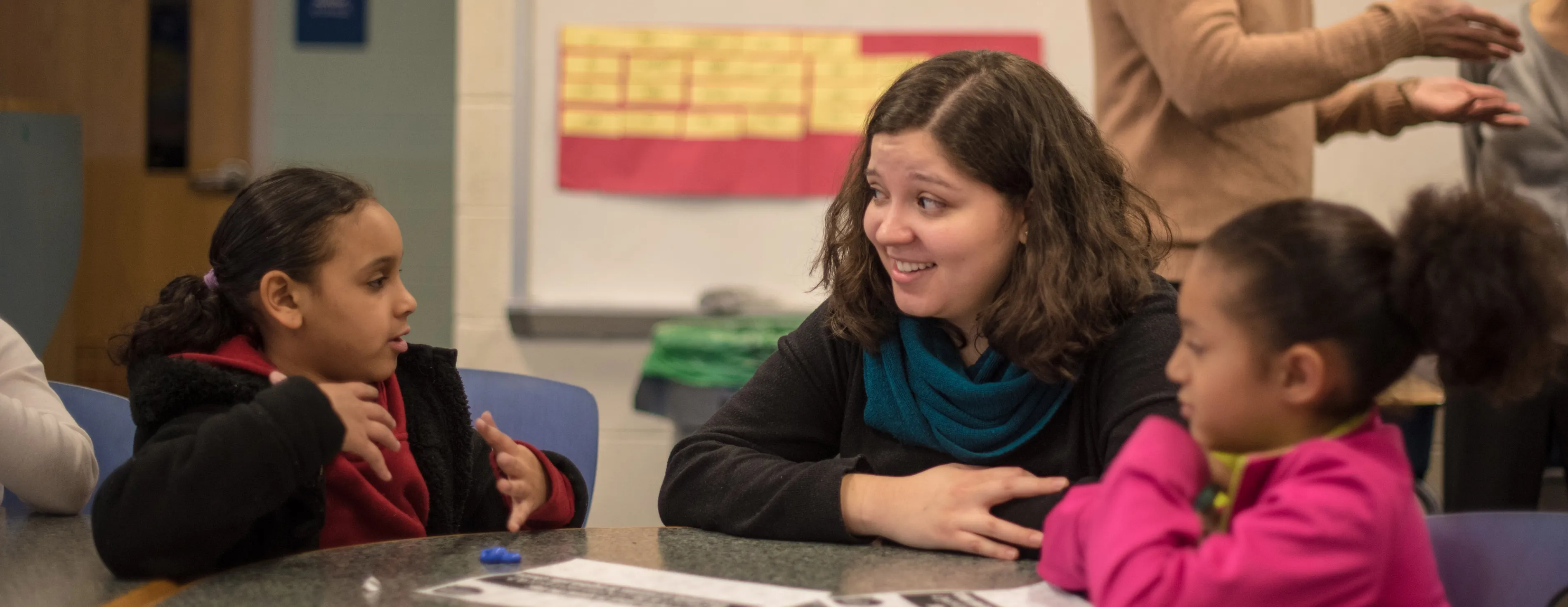
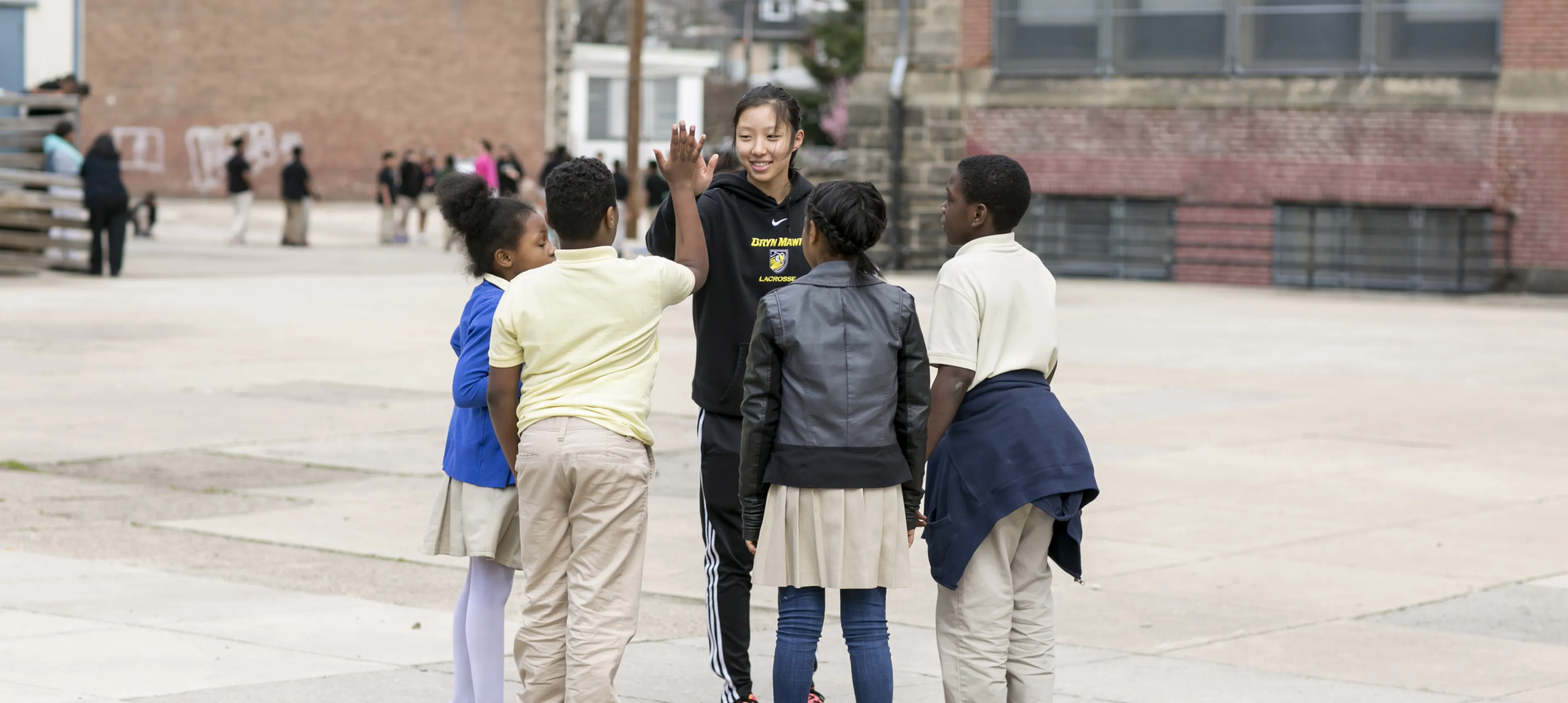
As you complete your chosen education program, you will learn to challenge and transform oppressive educational systems into joyful and just ones. In keeping with the philosophy of the program, each course includes a field experience. These range from two hours each week to full-time practice teaching. Through your field placement you will put your classroom learning into practice.
Education Degree Options
You have several options for an education degree at Bryn Mawr and Haverford Colleges, depending on your career goals.

More Education Degree Information
Abhi Suresh ’24"I am so incredibly grateful to Professor Alison Cook-Sather for being so supportive."
Education Course Highlights
EDUC B105 Education Studies: Theories, Practices, & Possibilities
This course is designed for students interested in exploring key theories, competencies, and questions in the field of education studies in general and the Education Department at Bryn Mawr and Haverford in particular in relation to each enrolled student's experiences and aspirations. Areas of exploration include: the significance of community-based praxis and research; skill-building in conflict resolution and restorative practice; the nature of assessment; the role of technology in education and society; the meaning and purpose of theory; and, throughout, retrospective experiential reflection in dialogue with students' future goals.
EDUC B290 Co-creation for Equity & Justice: Theory & Practice
This course explores co-creation of teaching and learning for equity and justice as a growing practice in various national and global contexts. Students will: (a) analyze the theories, traditions, and policies that inform co-creation (e.g., pedagogical partnership; student voice/Committee on the Rights of the Child; the democratic schools movement; critical and feminist pedagogies; decolonizing and anti-racist education); (b) explore practices of co-creation across contexts around the world; and (c) generate an action plan for a co-creation approach appropriate to one of the area of specialization offered through the major in Education Studies (e.g., secondary education, out-of-school contexts, higher education) and focused on fostering equity and justice within that area.
The 360° Program
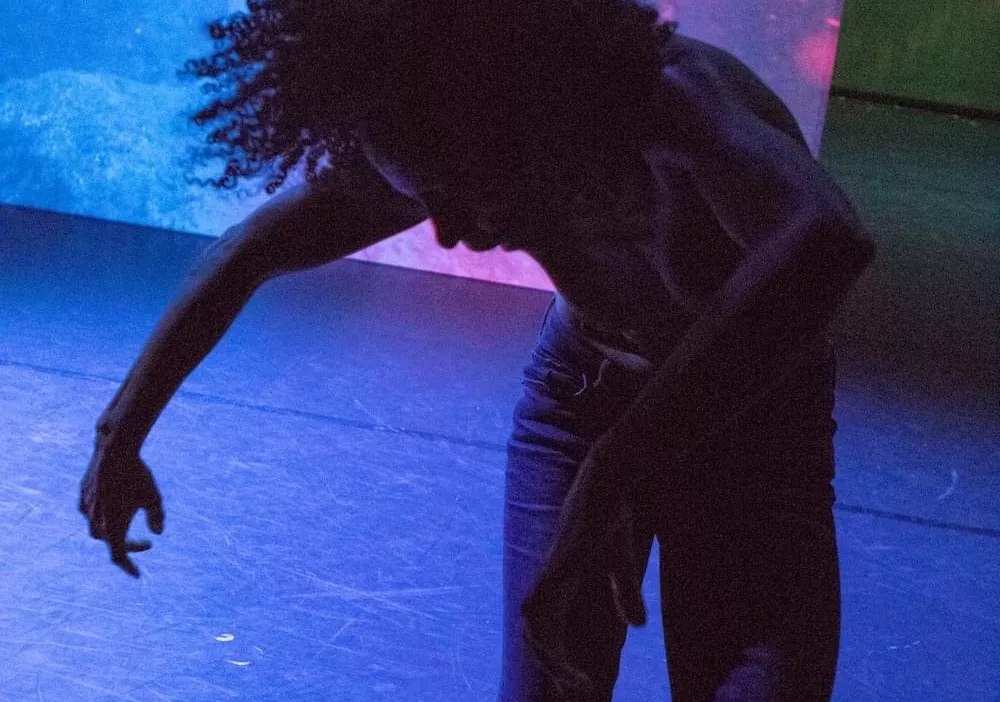
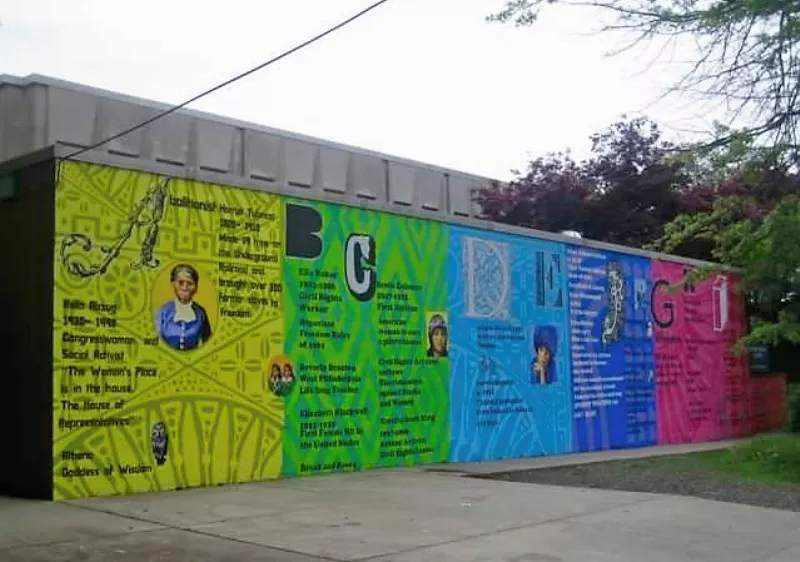
The 360° program lets you take a cluster of courses from different programs that center on the same topic. Check out the previous education-related 360° clusters below.
Education Faculty Spotlight

Chanelle Wilson
Associate Professor of Education
Chanelle Wilson is an assistant professor of education and the director of Africana Studies at Bryn Mawr College. She has served as a public high school teacher in the U.S. and around the world. She has a passion for using research to improve the educational experiences of marginalized groups, promoting equity and critical race-focused conversations. Her life's goal is to rethink, reimagine, and revolutionize education to meet the needs of all children.
A Bright Future
How Bryn Mawr grads are lighting their paths:

Opportunities in Education

Student Teaching
All education courses at Bryn Mawr have a practical component. Education is fundamentally praxis, so right from the beginning you will be in classrooms with students, learning from experienced teachers.

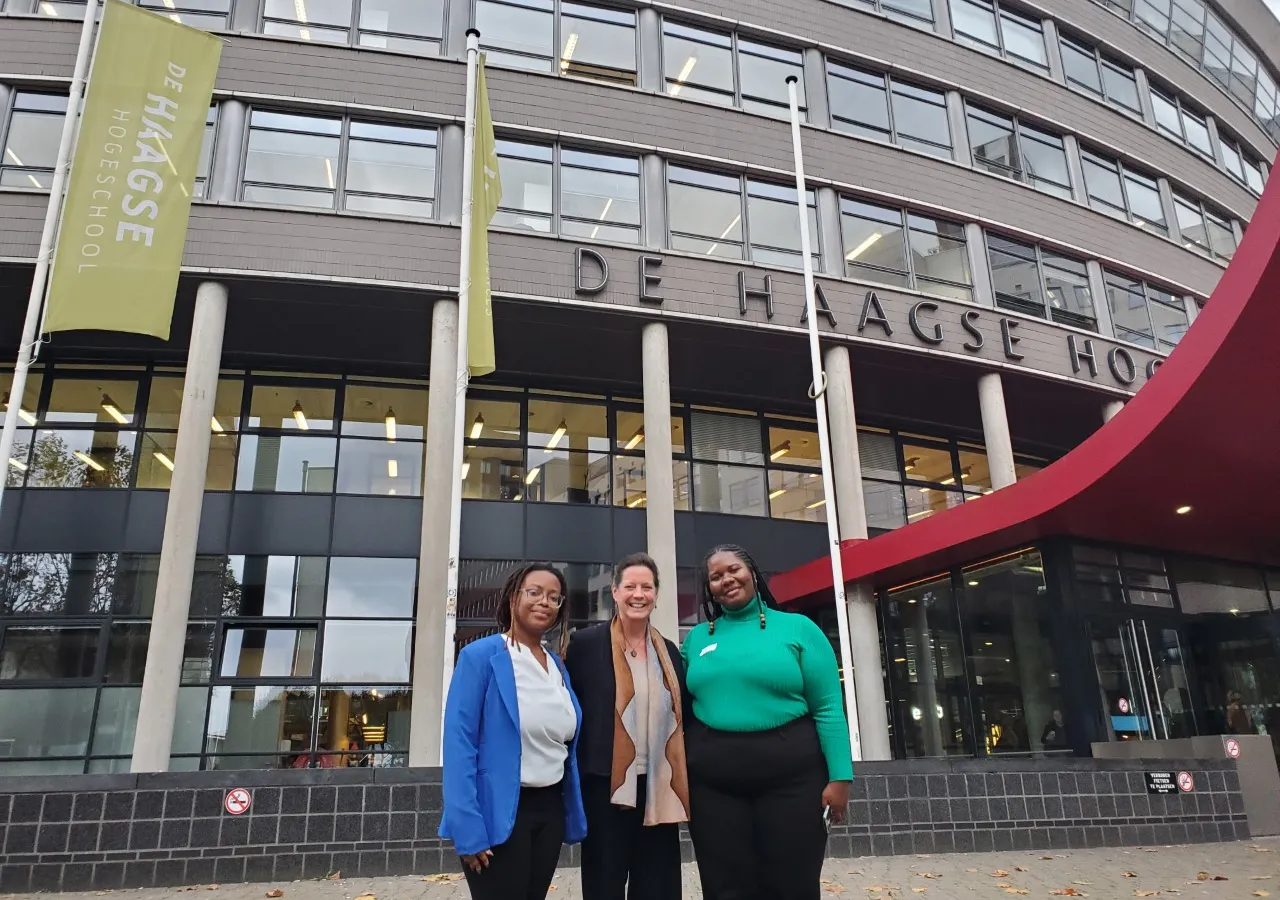
Internships
Many of our students take on internships during long breaks in the school year. This lets you experience non-traditional education settings, or practical work in your specialized secondary education field.
Research
Research into education and human development are a huge part of learning how to be a great educator. Our professors conduct ongoing research and often take on undergraduate research assistants.
Education FAQ
Here are some questions you may have about the education program at Bryn Mawr College—and their answers!
Yes, our program offers teacher certification for secondary education in the fields of English, Math, Science, Social Studies, Citizenship Education, and World Languages. If you want to pursue certification, you will need to major in your target specialization and either major or minor in education.
If you are looking for primary, special education, or another certification, you can pursue those through the University of Pennsylvania as part of the Quaker Consortium.
All of our programs and specializations center research, policy, and practice. They include:
- Secondary Education
- Secondary Education with Certification
- Elementary Education
- Higher Education
- Education in Out-of-School Contexts
Only secondary education with certification results in teacher credentialing through Bryn Mawr and Haverford Colleges.
Many education courses require some kind of classroom or practicum experience, though not necessarily student teaching. Those pursuing certification will need to complete a semester of full time student teaching during their final year.
Up to two courses can be counted towards both programs.
Yes, the education program does have a post-baccalaureate program for graduates of Bryn Mawr and Haverford alumnae/i who would like to return to the Bi-Co to get their teacher certification.
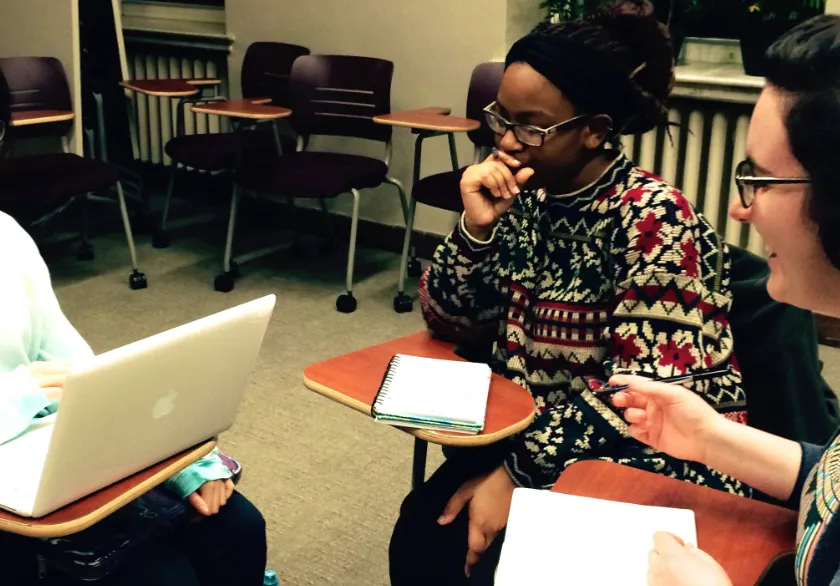
The Teaching and Learning Institute
Students, faculty, and staff work together in this groundbreaking research program to explore the ways that teaching and learning happen, and how they can be improved.
Humanities News
Education is part of a rich community of humanities programs at Bryn Mawr College. Here's what's new:
Contact Us
Education
Bryn Mawr College
Bettws-y-Coed
101 N. Merion Avenue
Bryn Mawr, PA 19010-2899
Phone: 610-526-5010
Haverford College
Founders 028
370 Lancaster Avenue
Haverford, PA 19041-1392