


Environmental Studies
Why Study Environmental Studies?
The Environmental Studies program trains the next generation of scientists for the world that they will inherit. Humanity faces daunting environmental challenges. We must find rational, holistic, and ethical ways to combat these issues.
Environmental Studies teaches you to apply critical thinking to a complex system of connected issues. Our focus is always to push for social justice. We also encourage you to do research on your own and with a team via internships in the US and abroad.
Courses of Study
You have the chance to major or minor in Environmental Studies.
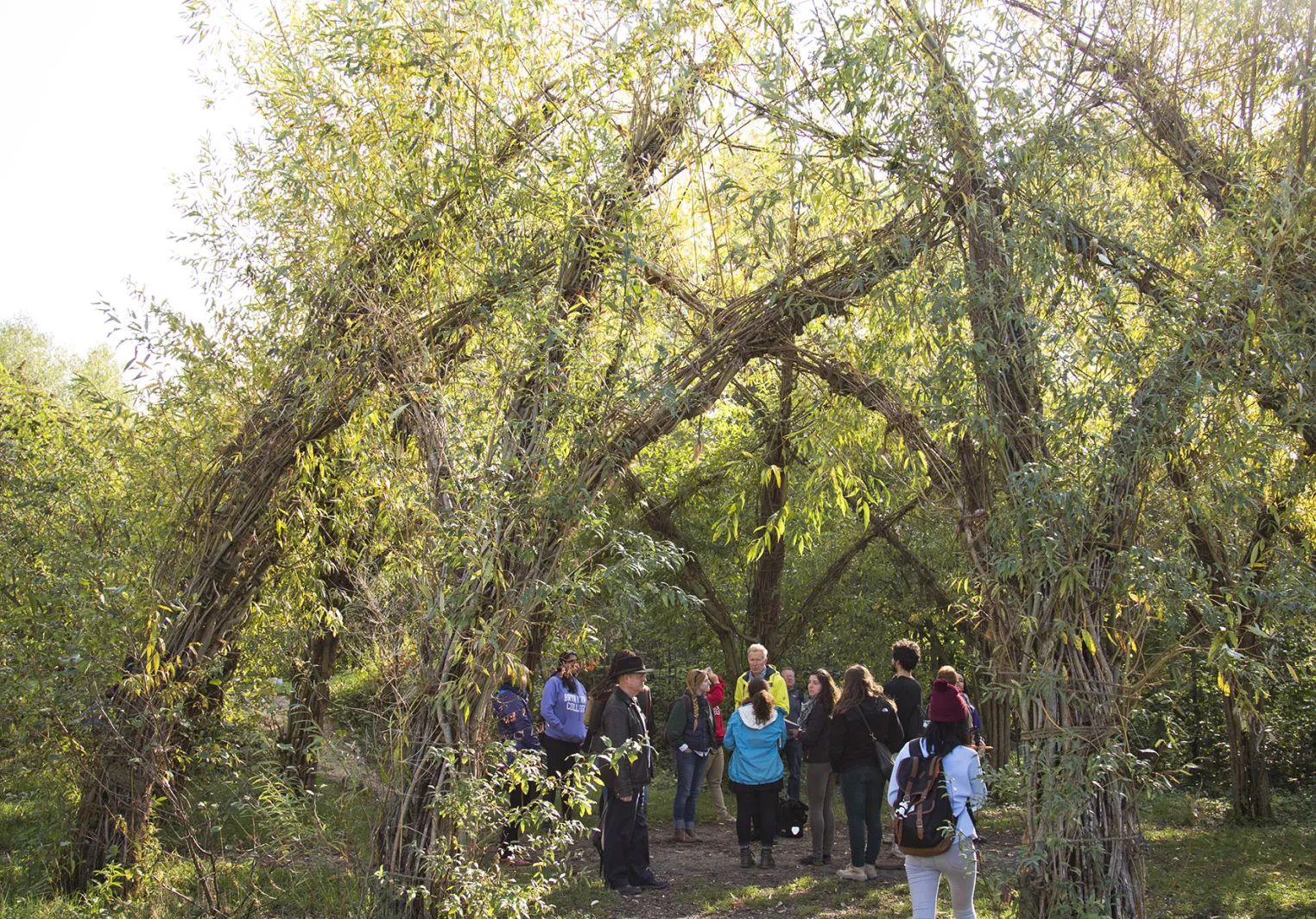
Tri-Co Environmental Studies Program Partners

Course Highlights
ENVS B203 Environmental Humanities: Environmental Futures Writing Workshop
Bringing the traditional focus of the humanities–questions of meaning, value, ethics, justice and the politics of knowledge production–into environmental domains calls for a radical reworking of a great deal of what we think we know about ourselves and our fields of inquiry. Inhabiting the difficult space of simultaneous critique and action, this course will re-imagine the proper questions and approaches of the humanities, asking how our accumulated knowledge and practice might be refashioned to meet current environmental challenges, to productively rethink ‘the human’ in more than human terms. In order to resituate the human within the environment, and to resituate nonhumans within cultural and ethical domains, we will draw on a range of texts and films, and engage in a range of critical and creative practices of our own.
ENVS B330 Organizing for Climate Action
To win climate action, you need more than good science, accurate data, and bold ideas. You need power. Behind the scenes of social movements, organizers are setting clear goals, building relationships, and creating meaningful opportunities for others to express their values together. A central premise of this class is that policymaking and social change takes strategic campaigning. Whether you aim to lead campus organizations more effectively, influence public policy, or grow a grassroots movement for a more just and sustainable future, this course will help you develop practical skills for mobilizing collective action.
ENGL B372 Black Ecofeminism(s): Critical Approaches
How have Black feminist authors and traditions theorized or represented the ecological world and their relationship to it? How does thinking intersectionally about gender(ing) and racialization expand or challenge conventional notions of “nature,” conservation, or environmental justice? In what ways does centering racial blackness critically reframe a host of practical and philosophical questions historically brought together under the sign “ecofeminism?” Combining history and theory, the humanities and the social sciences, this interdisciplinary course will use the work of Black feminist writers (broadly defined) across a range of genres to approach and to trouble the major paradigms and problems of contemporary Euro-American ecofeminist thought. The course uses fiction and poetry by Toni Cade Bambara, Toni Morrison, and Countee Cullen as a gateway to a range of critical work by Jennifer Morgan, Sylvia Wynter, Maria Mies, and Val Plumwood as it attempts to define and deconstruct what Chelsea Frazier calls “Black Feminist Ecological Thought.”
360° Programs in Environmental Studies
The 360° Program invites students to study a theme or question from multiple perspectives by enrolling in a cluster of interdisciplinary courses in a single semester.
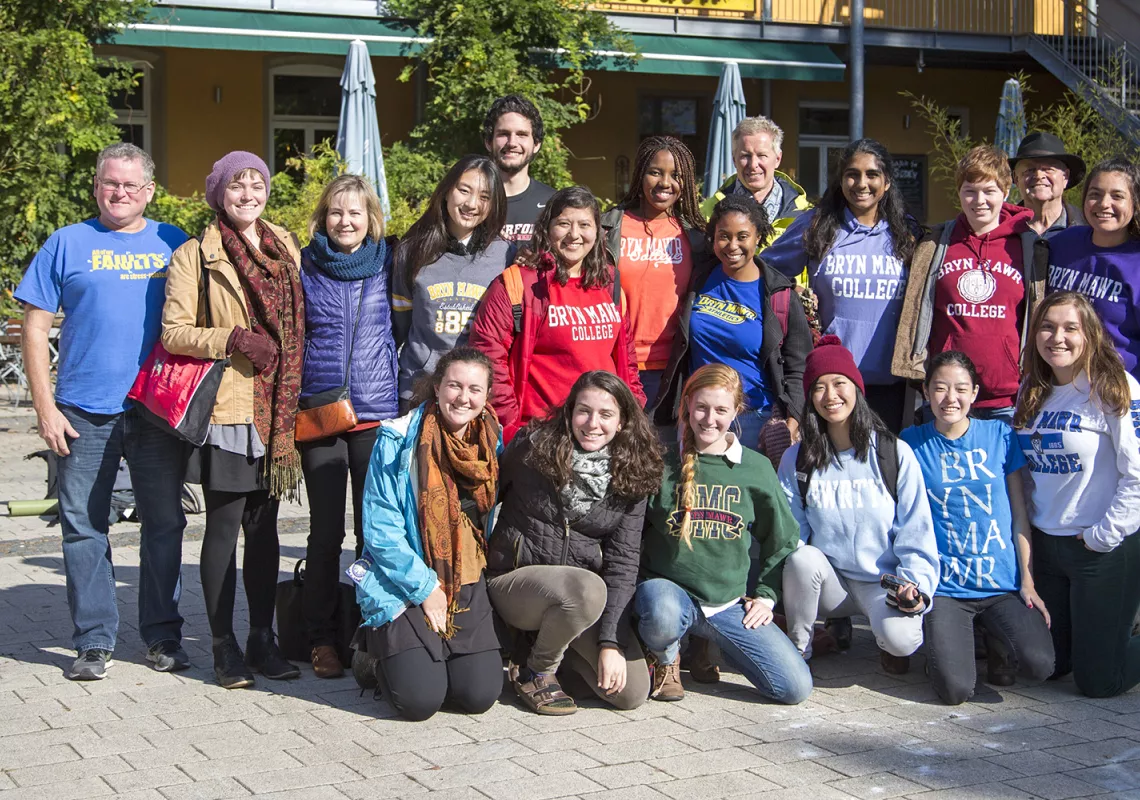

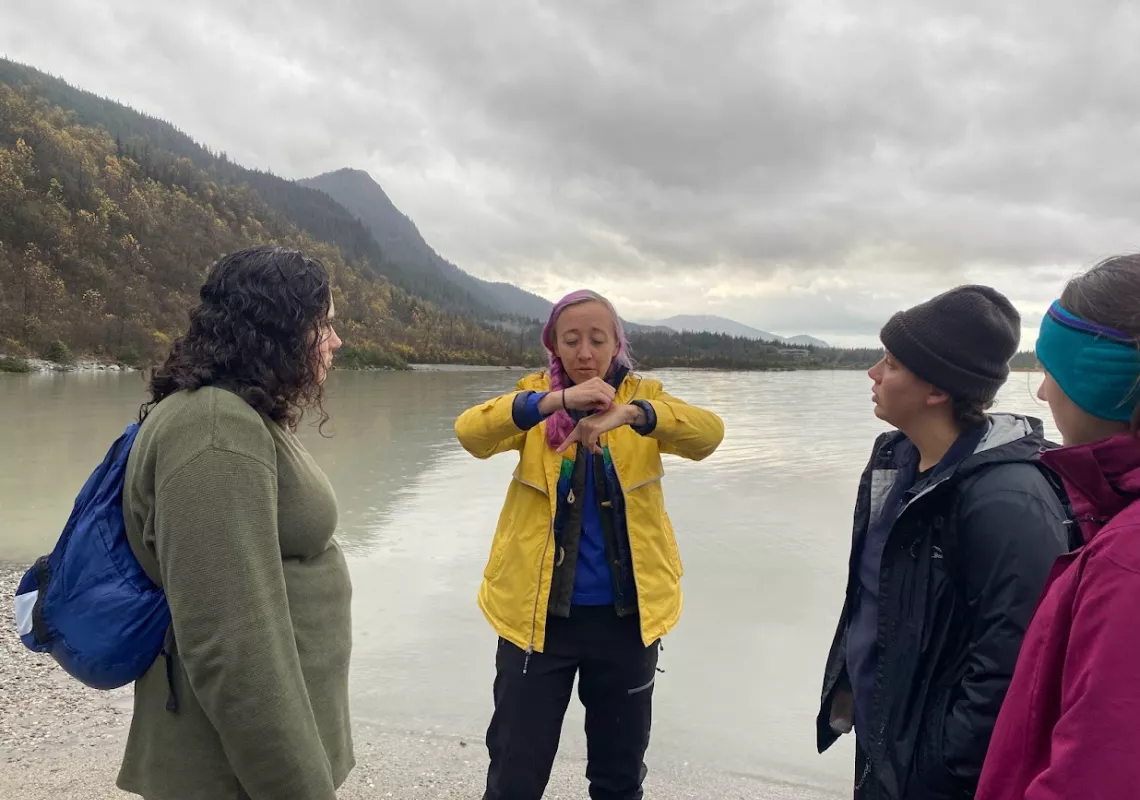
Faculty Spotlight

Carol Hager
Professor of Environmental Studies and Political Science and Chair of Environmental Studies
Professor Hager came to Bryn Mawr to teach Political Science in 1989. Since then, she has written 5 books, with the latest, Green Germany: Local Pathways to Global Sustainability, coming out later in 2026. In 2012 she co-founded the Bi-Co Environmental Studies program.
A Bright Future
How Environmental Studies grads are lighting their paths

Caroline Larsen-Bircher '10I took an ecology course and everything just clicked for me! I finally found something that I was naturally interested in."
Opportunities for Environmental Studies Majors
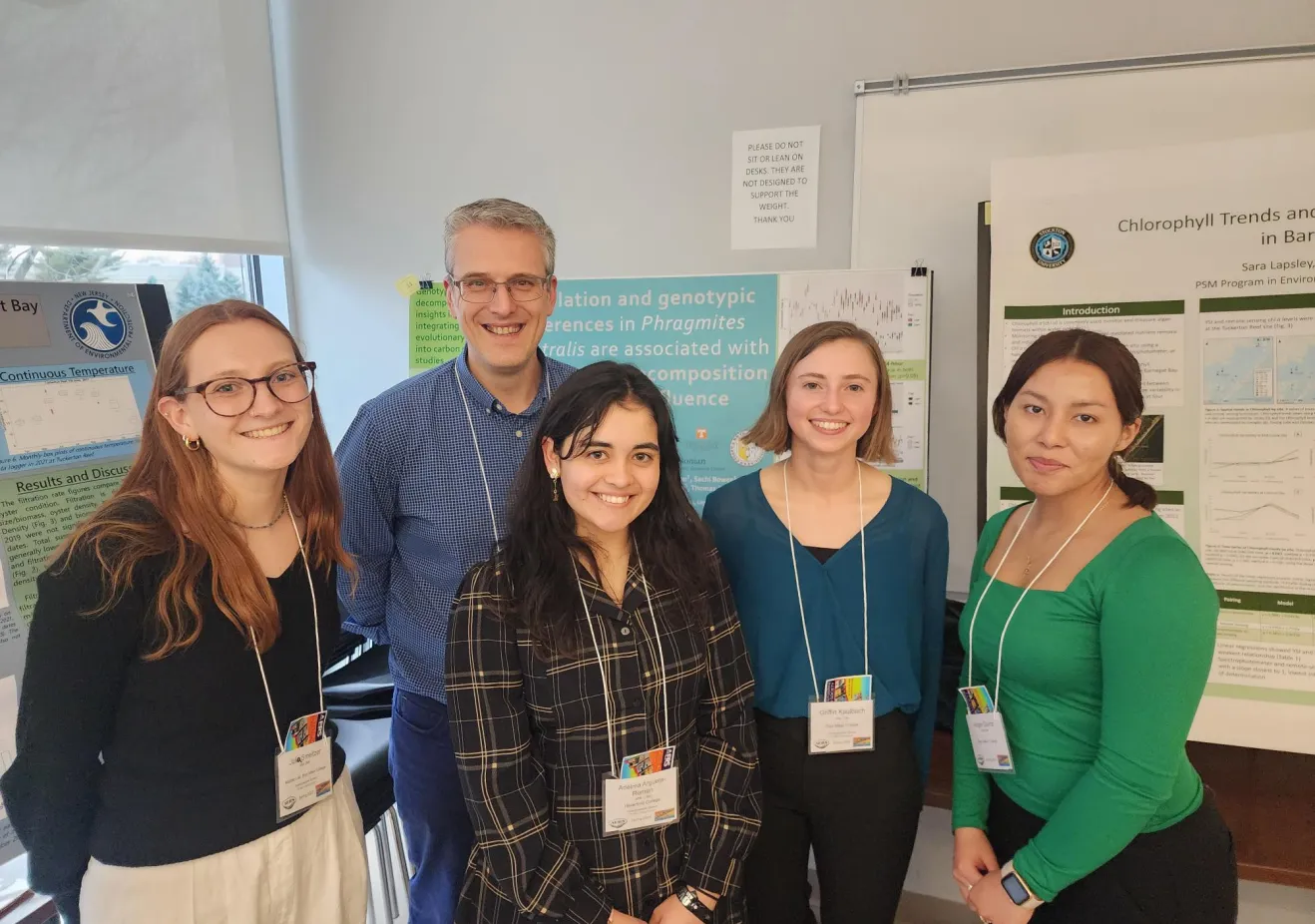
Research
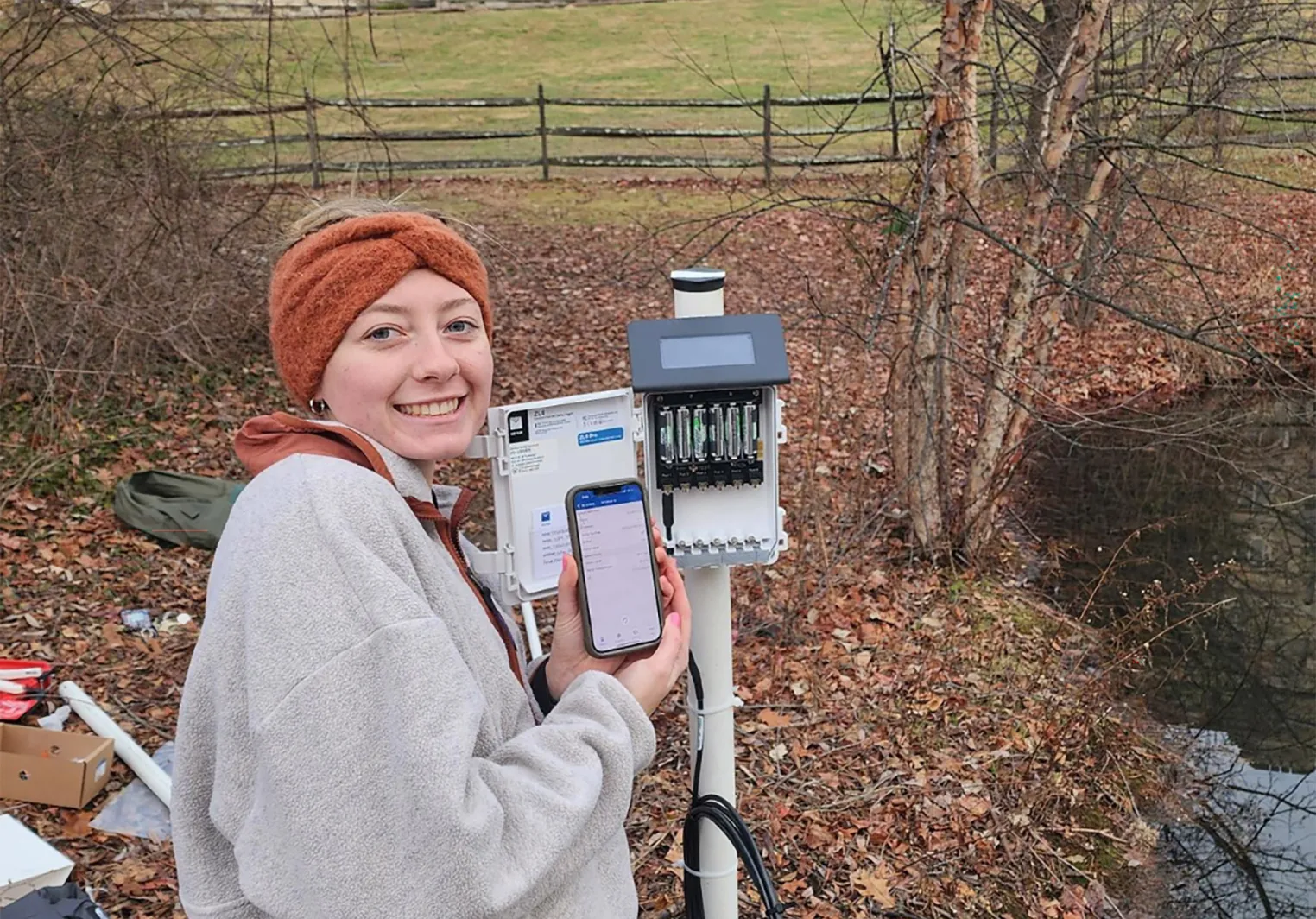
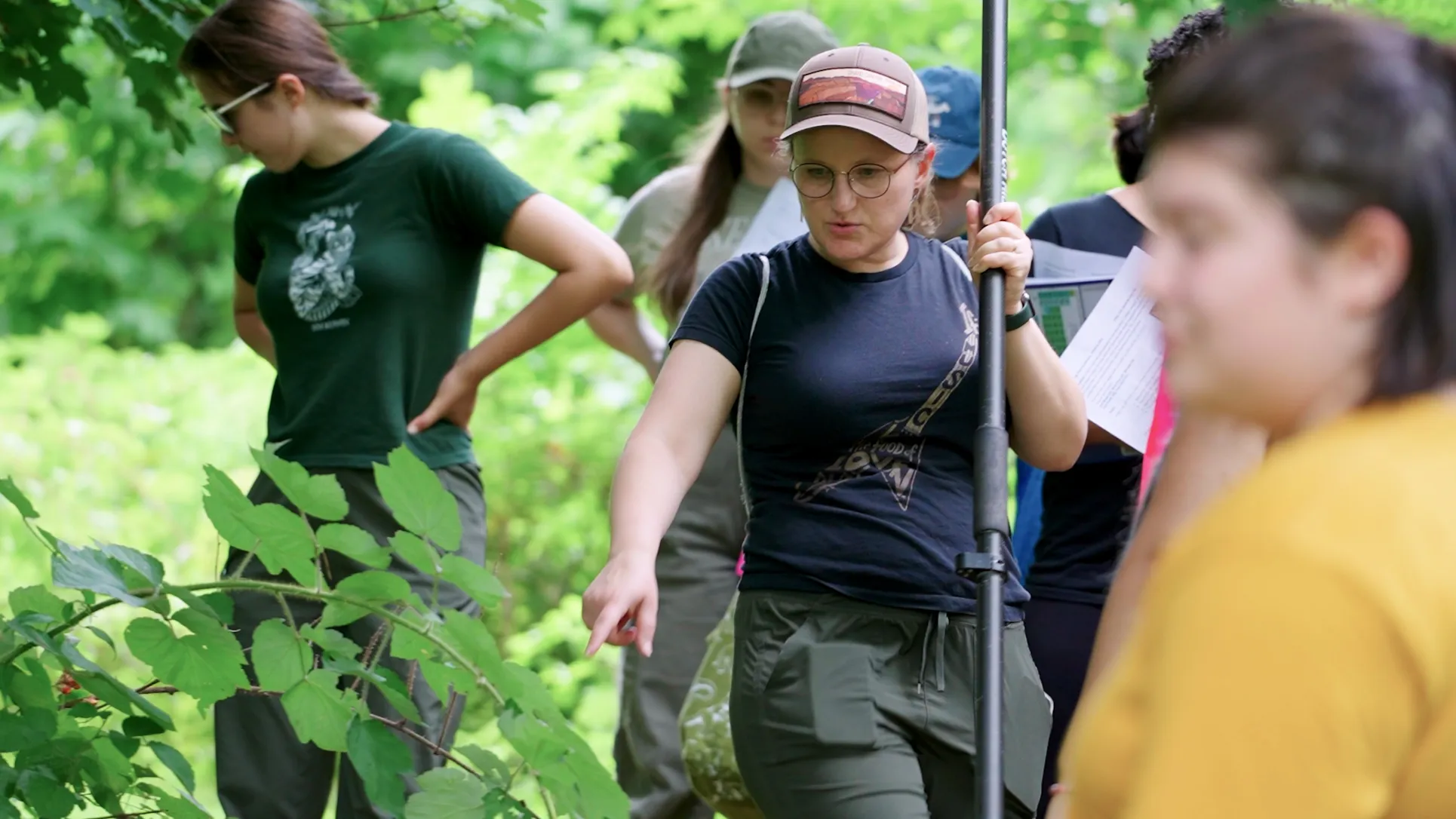
Environmental Studies lets you do research alongside professors. Recent research topics include the impact of road salting on the local environment and the effects of elevated CO2 levels on salt marshes.
Internships
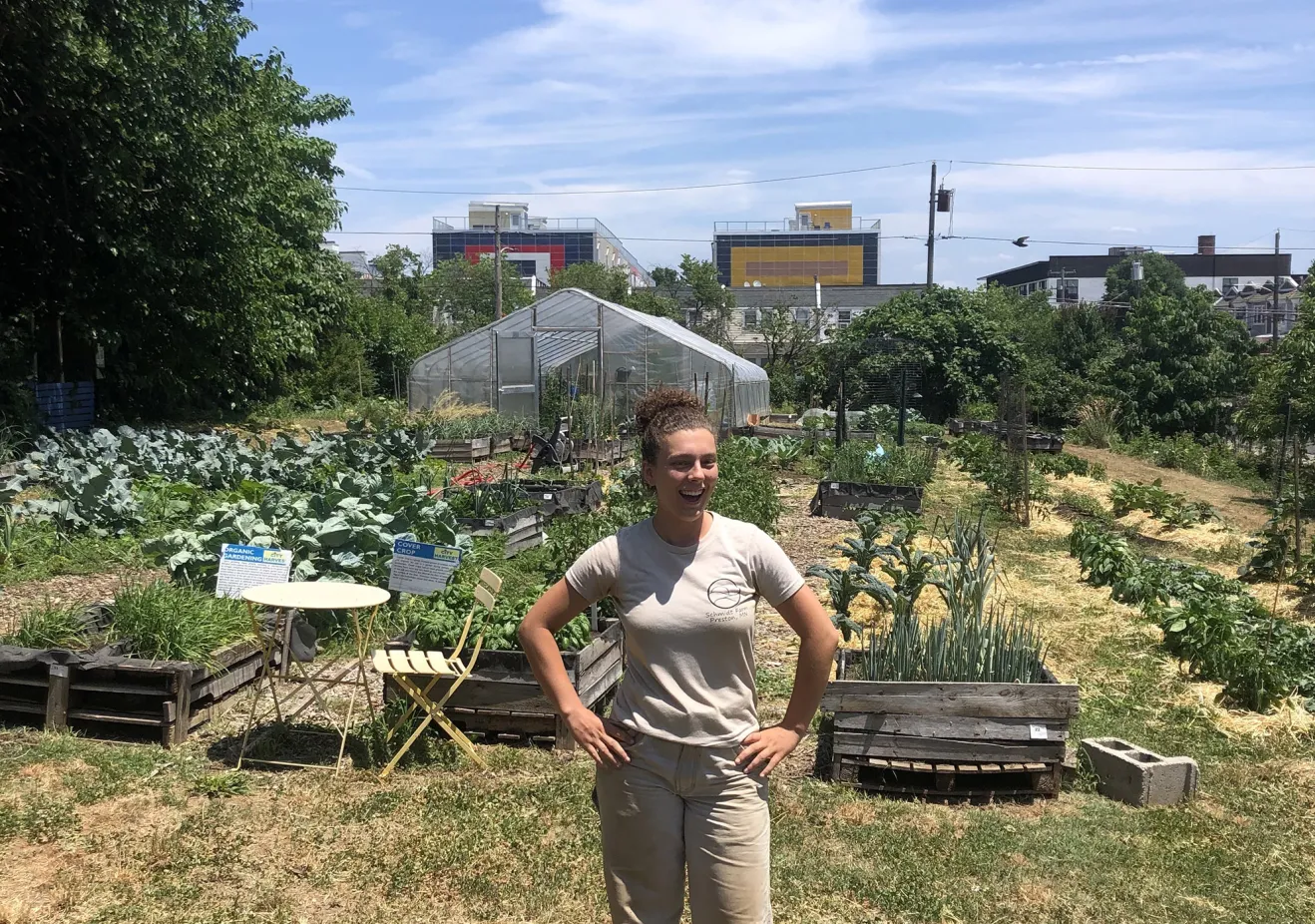
Internships are a fantastic way for you to gain practical field experience while bolstering your resume. Recent organizations include the New York Botanical Gardens, Mill Creek Urban Farm, and Fishadelphia.
Study Abroad
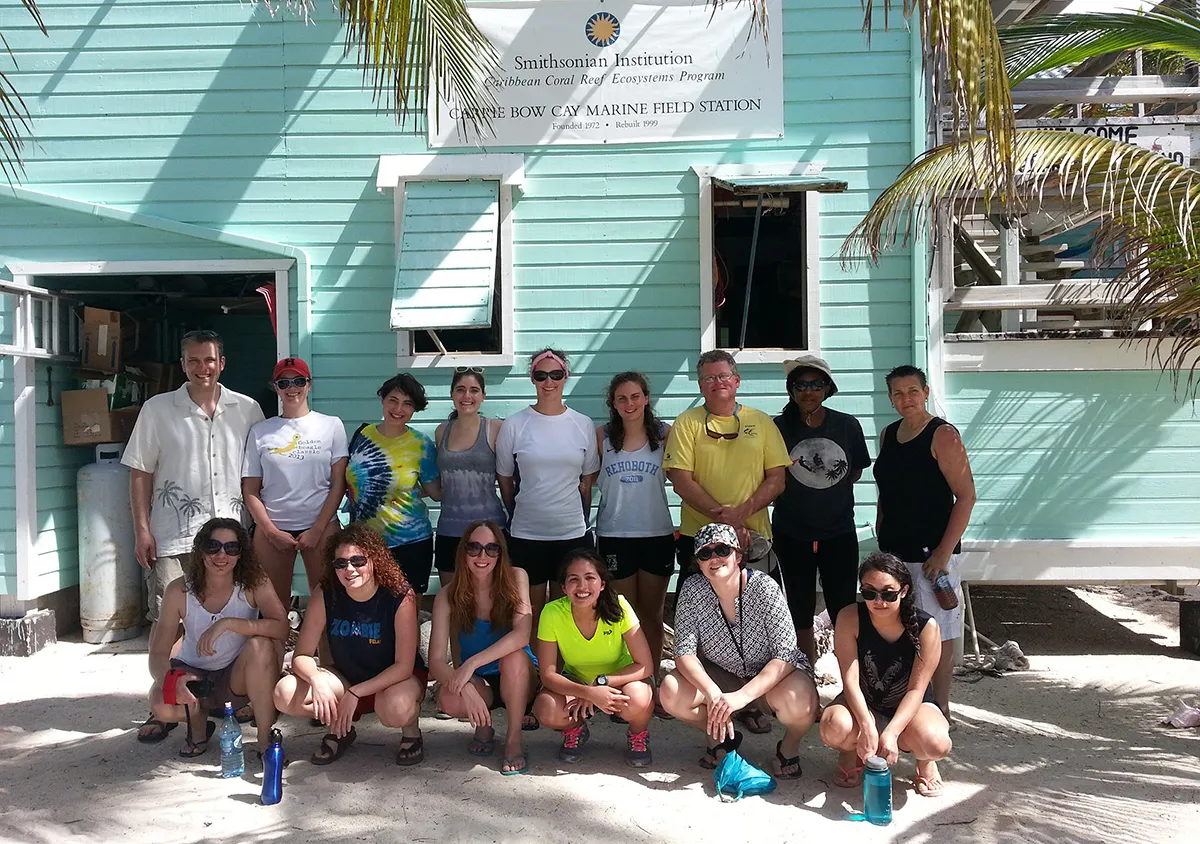
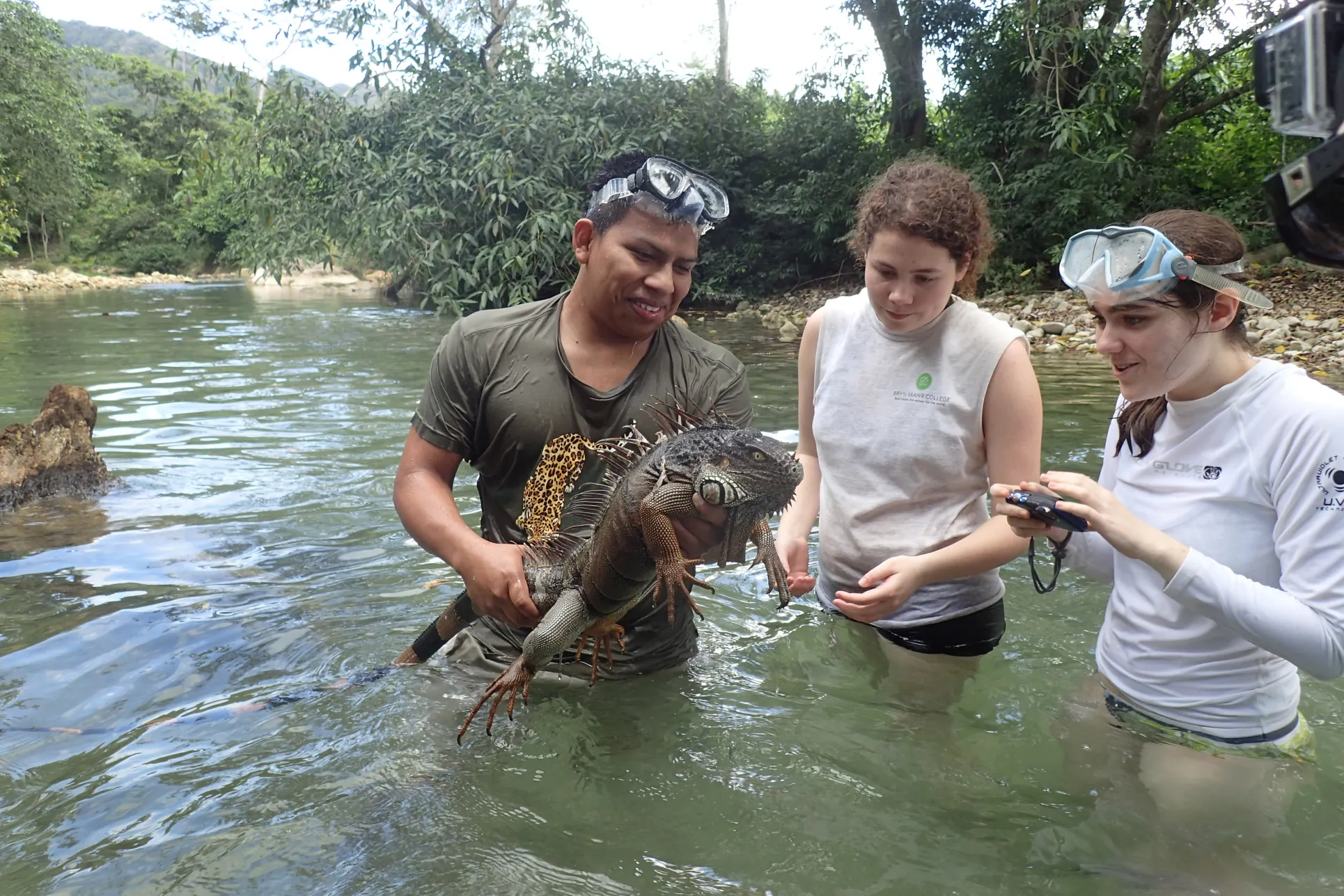
As an Environmental Studies student, you have many opportunities to study abroad. Some courses in the program take research trips over breaks, and you are encouraged to spend part or all of your Junior year studying ecology in one of our approved international programs.
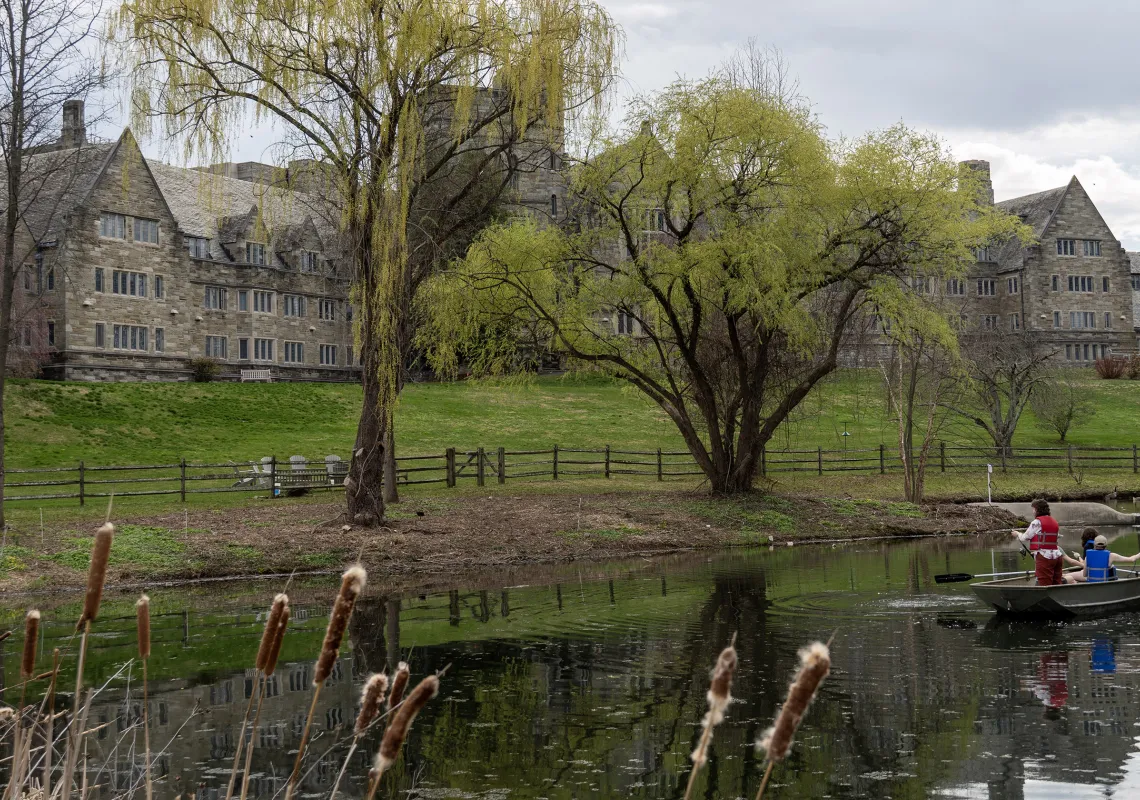
Campus as a Living Lab
Professor Tom Mozdzer and Kate Ervin '25 investigate the environmental impact of road salting.
Kate Ervin '25If there was one thing I would have done differently, I would have taken advantage sooner of all the amazing opportunities in our Environmental Studies and Biology departments."








STEM News
See what's happening in Environmental Studies and the other STEM programs at Bryn Mawr.


Contact Us
Bi-Co Environmental Studies
Bryn Mawr Point of Contact, Bi-Co Environmental Studies
Carol Hager
Professor of Environmental Studies and Political Science, Bryn Mawr College
chager@brynmawr.edu | 610-526-5328
Haverford Point of Contact, Bi-Co Environmental Studies
Joshua Moses
Associate Professor of Environmental Studies, Haverford College
610-896-1487
jmoses@haverford.edu