

Bryn Mawr 101: Summer Science Research
"Beyond traditional laboratory research experience, the research program provides students with various professional development and networking opportunities."
"Beyond traditional laboratory research experience, the research program provides students with various professional development and networking opportunities."
Bryn Mawr's Summer Science Research Program (SSR) gives students the opportunity to conduct faculty-mentored research with the support of a stipend. Below, Director Olga Karagiaridi shares more about the program.
What is Bryn Mawr’s Summer Science Research program?
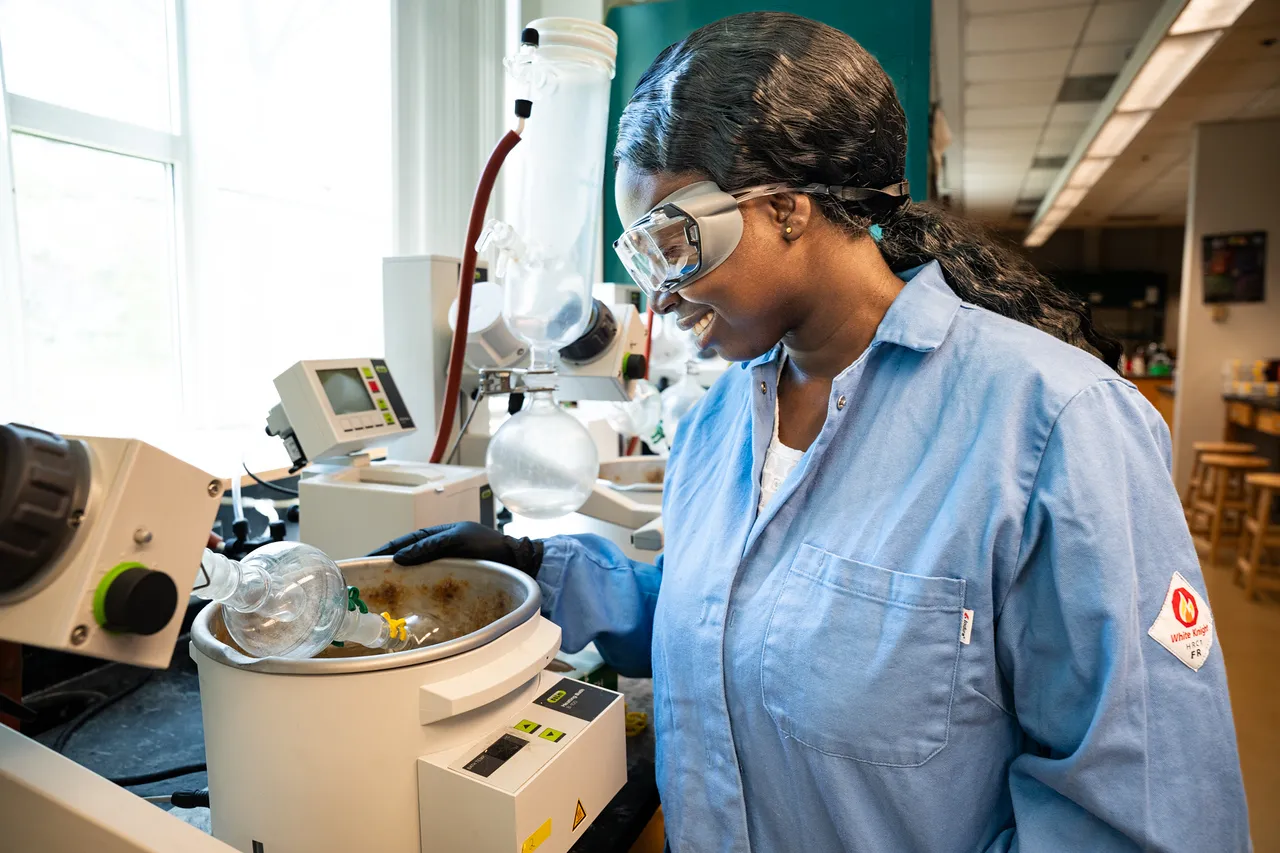
The Summer Science Research (SSR) program at Bryn Mawr is a unique opportunity for Bryn Mawr and Haverford students to spend ten weeks in summer performing full-time paid research with Bryn Mawr STEM faculty in the departments of biology, chemistry, computer science, geology, mathematics, physics and psychology/neuroscience.
Are there aspects of the program that are unique to Bryn Mawr?
What makes the SSR program “unique” is that it exists specifically for Bi-College students. Many students begin performing research in the laboratory of a professor who already taught them in a class, and alongside their classmates, which makes this first experience more accessible and manageable.
Beyond traditional laboratory research experience, the SSR program provides students with various professional development and networking opportunities. Every summer, three external speakers (typically women with PhD degrees and careers in STEM) are invited to give seminars for SSR students, during which they share their career paths and current work. Dr. Matthew Ruben has also consistently offered his highly informative public speaking workshop “Speaking and Posters: Presenting your Work and Yourself”.
"Many students begin performing research in the laboratory of a professor who already taught them in a class"
How do students apply for the program, and who is it designed for?
The program is targeted to students who wish to gain hands-on research experience and immerse themselves in this work full-time, during a period when they are not taking classes. The students apply to the program by submitting a form on the SSR website. Prior to applying, the students are required to have discussed a potential summer project with a faculty member and obtained their approval to apply.
How are students paired with faculty mentors, and what does that mentorship look like?
Prospective SSR participants are encouraged to reach out to faculty to discuss the possibility of performing summer research with them. On the SSR website there are links to faculty profiles across the STEM departments, as well as a list of suggested questions for the students to ask professors during their meeting to discuss research opportunities.
Several departments hold info sessions, during which faculty members describe their research areas and potential projects. Students are encouraged to find out when these sessions take place and to attend them to learn about research opportunities in their department of interest.
Can you describe a typical day during the program?
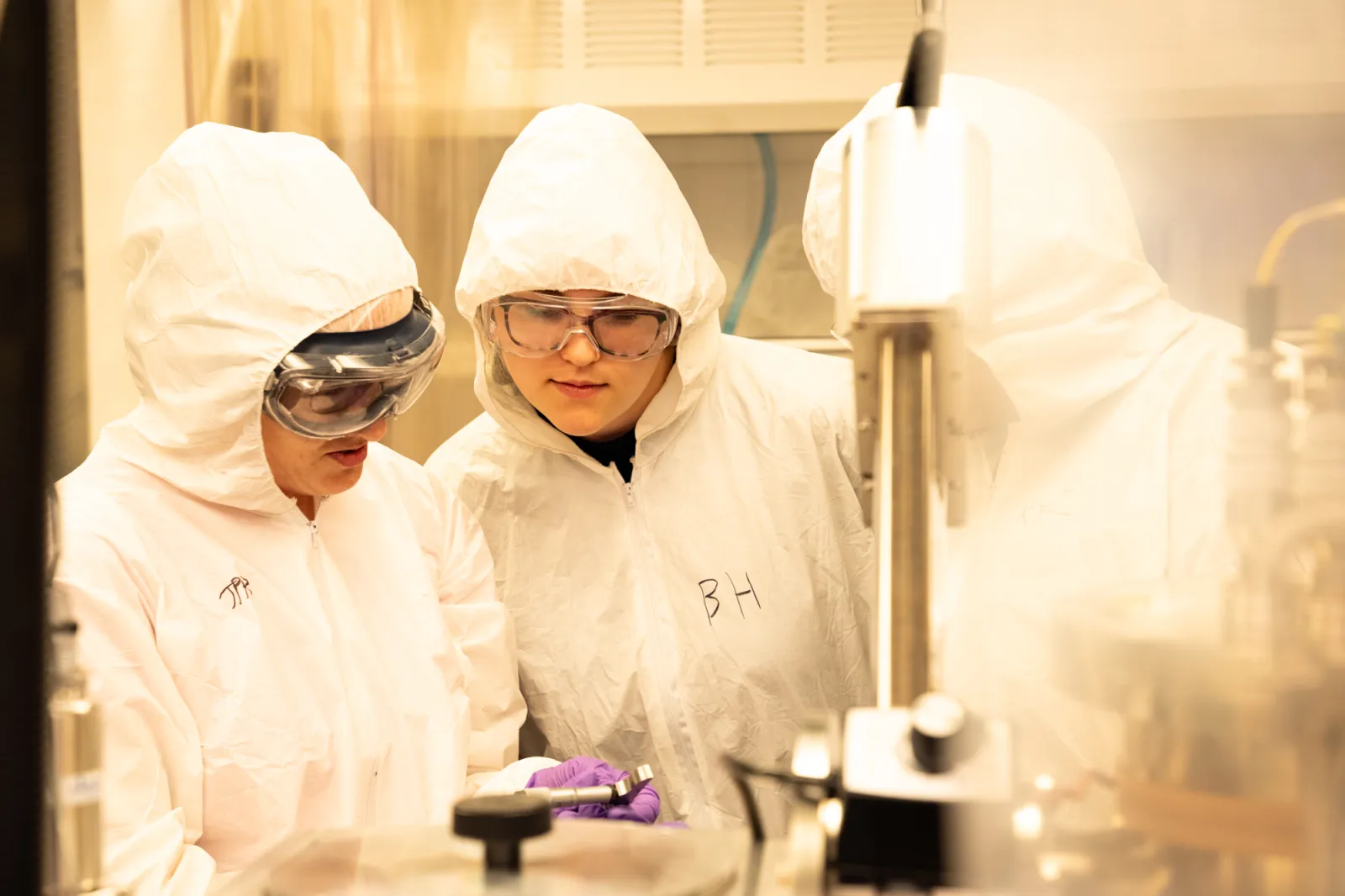
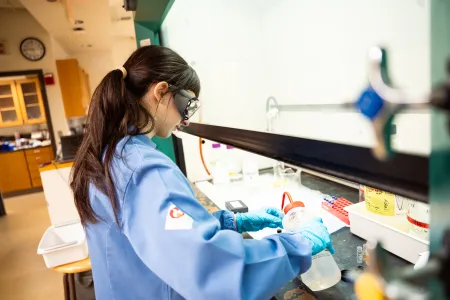
The day can look very different depending on the department and the area of research! Many chemistry, biology and physics students come to a physical laboratory every day to set up and perform experiments and analyze data. A large group of mathematics students who participated in SSR in the summer of 2025 working with Dr. Leslie Cheng describe working remotely, but having frequent virtual meetings – often from different time zones – to discuss their work. Many geology students – and students from other departments, such as Dr. Tom Mozdzer’s students in the department of biology – may go on an extended out-of-state trip to perform fieldwork. The research is vibrant, highly variable and multifaceted. You can find abstracts from past students’ SSR projects on the SSR website.
Are there opportunities for interdisciplinary research or collaboration with other students?
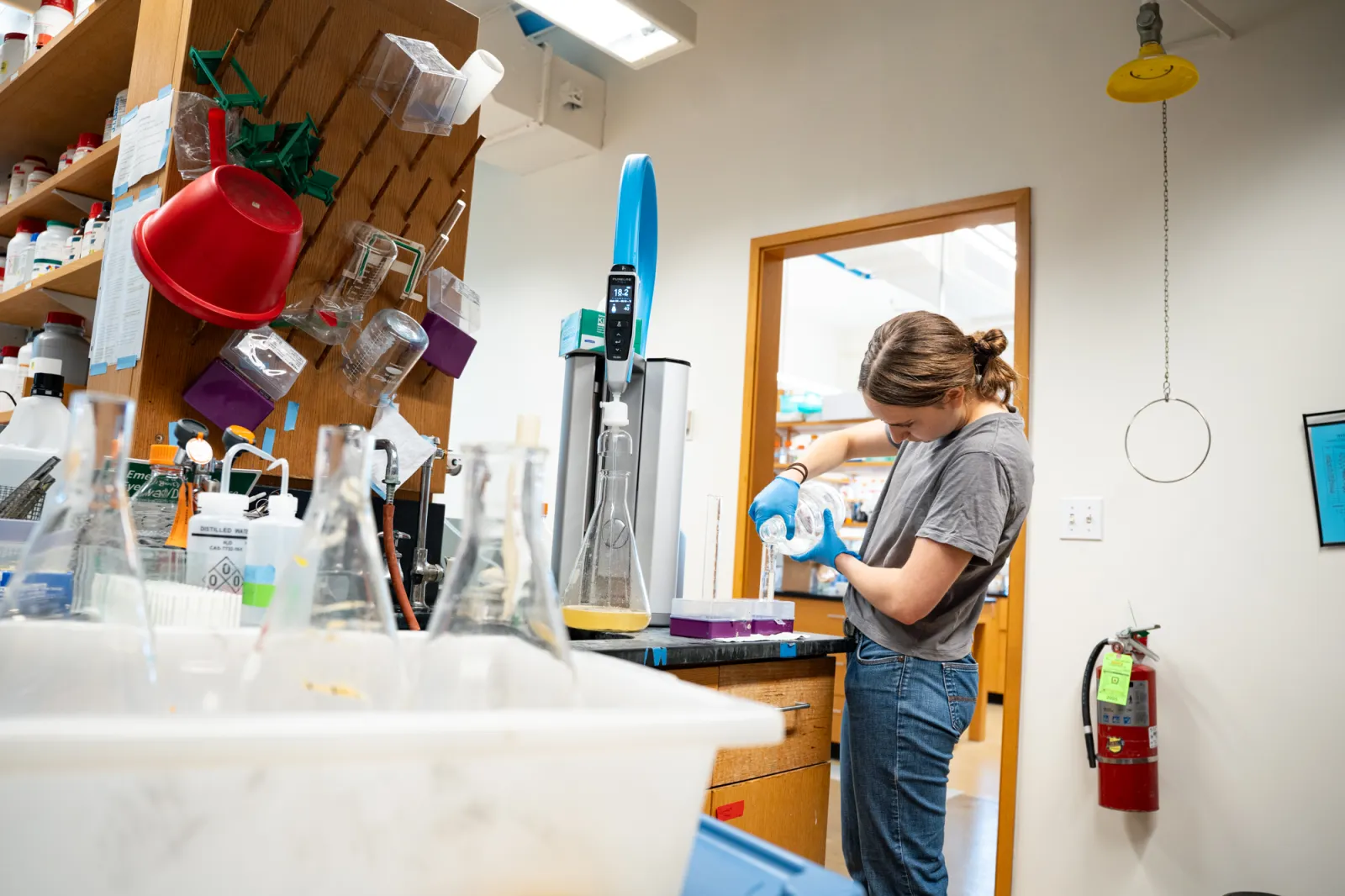
This depends on the specific laboratory that the student joins, but it is definitely happening! In the summer of 2025, Dr. Mike Noel in the department of physics collaborated with a laboratory at Ursinus College, and his students commented positively on the opportunity to create a close connection to Ursinus’s physics department and members of their student body.
At the same time, Dr. Bill Malachowski in the department of chemistry had a collaborative project with Peter Lee, a pharmaceutical scientist and owner of the company SpaceRx, that involved the development of a nicotine dependency drug. This project received external funding and attracted two SSR students – Ellie Berry (BMC ’27) and Sahana Datar (BMC ’26). The students benefited by doing some interesting chemistry and trying a new synthetic approach to a bioactive alkaloid called cytisine.
"The SSR program sets the stage by providing a funded opportunity for students to fully dedicate themselves to the process of scientific inquiry"
How does the program support students who are new to research?
The SSR program sets the stage by providing a funded opportunity for students to fully dedicate themselves to the process of scientific inquiry and get a firsthand experience of what “doing science” looks like day to day. “Rather than working on a single component of a project, as they might over the semester, they have an opportunity to engage with a wider range of experiences across the research process – from study design to data cleaning and analysis, to preparing results for presentation", shares Dr. Ariana Orvell in the department of psychology. “They have an opportunity to engage with a wider range of experiences across the research process – from study design to data cleaning and analysis, to preparing results for presentation," shares Orvell.
Novice student researchers receive support and mentorship in their laboratories. In the department of chemistry, many faculty members closely train students in relevant procedures and techniques; for example, Dr. Patrick Melvin sets up and runs reactions side by side with his new students. Moreover, every chemistry lab is a closely knit team of several undergraduate students; beginners can and do turn to their more experienced peers for advice and troubleshooting.
What advice would you give to students who are considering applying?
Visit the SSR website, read the information for prospective applicants and begin reaching out to faculty! Don’t be afraid of connecting with them – you will learn valuable firsthand information on what it takes to join their lab. Also don’t be discouraged or take it personally if your first attempt to join a lab doesn’t pan out (e.g., because there is currently no space in that lab). Look for new labs, keep reaching out, seek information and persevere – just like you would do in real research.
Please note that many traditional federally funded research opportunities for undergraduates that exist across USA are unavailable for international (non-US citizen or permanent resident) students that comprise a sizable percentage of Bryn Mawr student population. In contrast, international Bryn Mawr and Haverford students are fully eligible to participate in the Bryn Mawr SSR program.
Student Testimonials:
At the end of each summer, SSR students are asked to reflect on the skills and competencies gained by participating in the program. Here are just a few examples:
“I found myself implementing solutions to issues that arose without having to ask for guidance, adding certain details to my notes and diagrams, and creating my own methodology timeline that maximized my efficiency."
- Lia Wong-Fodor '26 | Dr. Tamara Davis lab | Department of Biology
“Throughout the course of the summer, I learned a lot about how to communicate in a scientific manner. I had never communicated in this way before, and thus had to adapt to a new style of communication in order to successfully carry out my experiments and showcase my results."
- Savanna Shaw HC'26 | Dr. Hannah Shoenhard Lab | Department of Biology
“I collaborated with researchers from a different cultural background. Through this experience, I gained a deeper understanding of new cultures and learned to recognize and respect differences across them. I was initially unfamiliar with both the culture of my labmates and the storybooks I was analyzing, but this exposure strengthened my ability to engage with unfamiliar perspectives. Working within this cross-cultural context deepened my interest in the social dynamics of culture and enhanced my commitment to diversity, equity, and inclusion."
- Mahveen Wani '27 | Dr. Zhenlan Wang lab | Department of Psychology
“After graduation I plan on applying to medical school. During the graduate years I will continue to participate in research, as I believe it is an essential component of what makes a well-rounded professional. The SSR program has given me the foundational skills I will need to accomplish that: over the two summers I’ve improved my communication, problem-solving and collaboration skills, and internalized the patience, planning and persistency that it takes to work on a single task over a long period of time.”
Kir Morozov '26 | Dr. Bárbara Bitarello lab | Department of Biology
“Being a part of Mike’s lab and SSR in general made me realize the how much all the sciences overlap with one another. The speakers who came from different disciplines also helped me come to that realization.”
Alyssa Ya '28, | Dr. Michael Noel’s lab | Department of Physics
Interested in research at Bryn Mawr?
Bryn Mawr College offers undergraduate students many opportunities to undertake academic research. Click the button below to learn more about research at Bryn Mawr.