
Resources and Collections
Anthropology students have access to Bryn Mawr’s Special Collections, which includes Art & Artifacts from around the world, plus archaeological and ethnographic archives in College Archives. The College is actively engaged in NAGPRA work and repatriations.
In the course of study, anthropology majors have the opportunity to do fieldwork in a variety of settings. For example, students have recently worked with departmental faculty on archaeological excavations in Alaska and Illinois, they have undertaken paleoanthropological studies in Kenya, bioarchaeological research in Poland and Romania, and in Cambodia on medical anthropology. Closer to home, especially during their senior year, students have worked among Bryn Mawr and nearby Philadelphia populations studying such topics as ethnic identity, ritual, gender roles, health practices, religion, law, aging, and the life cycle. Additional course offerings in anthropology are available to Bryn Mawr students at Haverford College, Swarthmore College, and the University of Pennsylvania.
Physical and Digital Archives
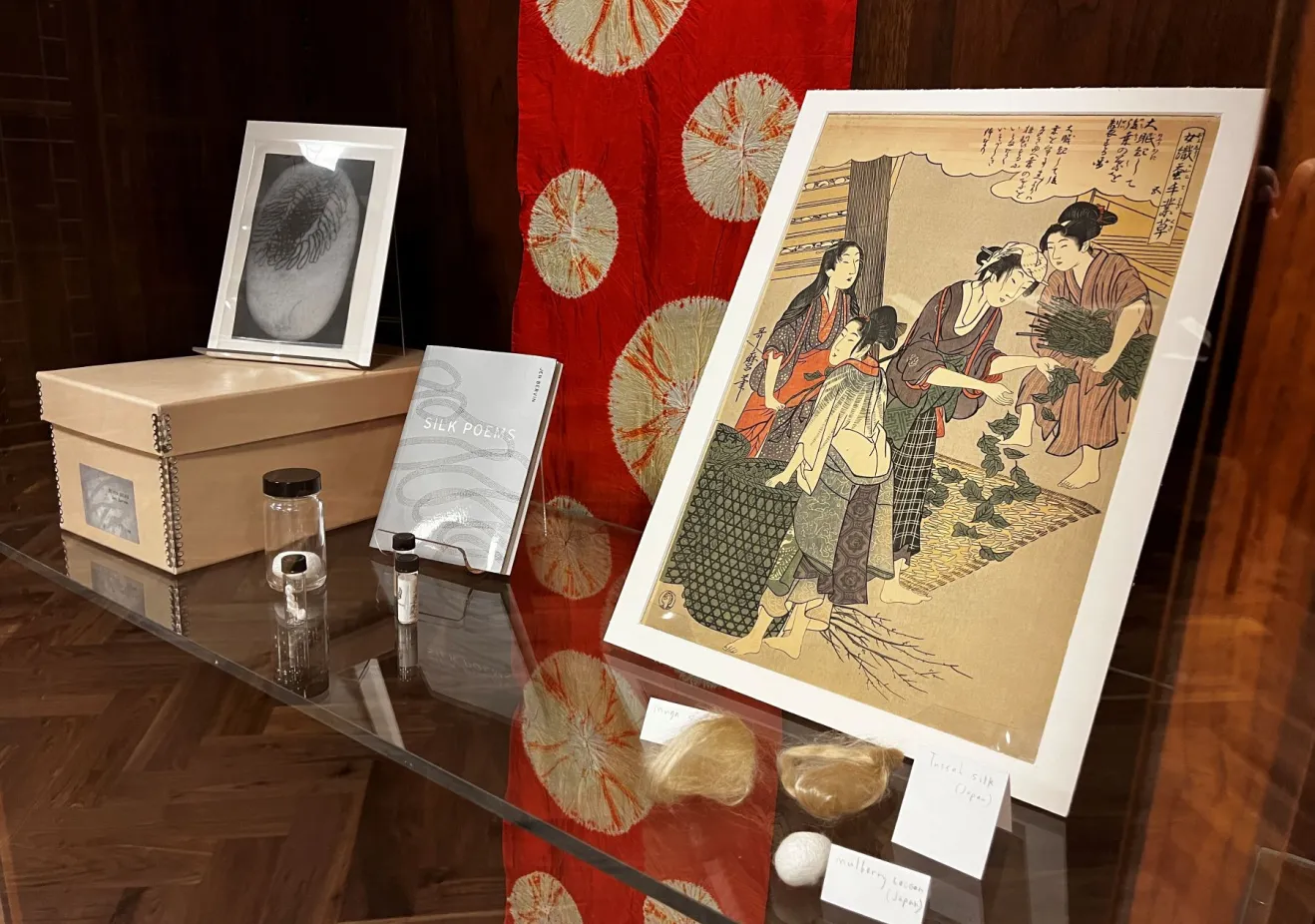
Special Collections
Anthropology students have access to Bryn Mawr’s Special Collections which includes Art & Artifacts from around the world.
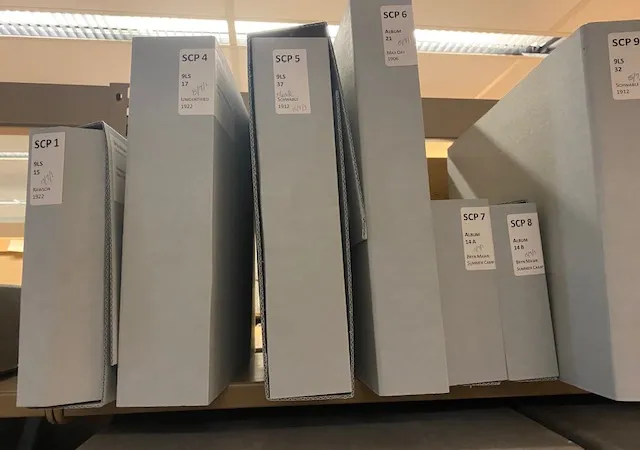
College Archives
The College Archives holds more than 3 million items that document administrative decisions and campus life, from 1885 to today.
TriArte
TriArte is the online home for art and artifacts from Bryn Mawr College, Haverford College, and Swarthmore College.
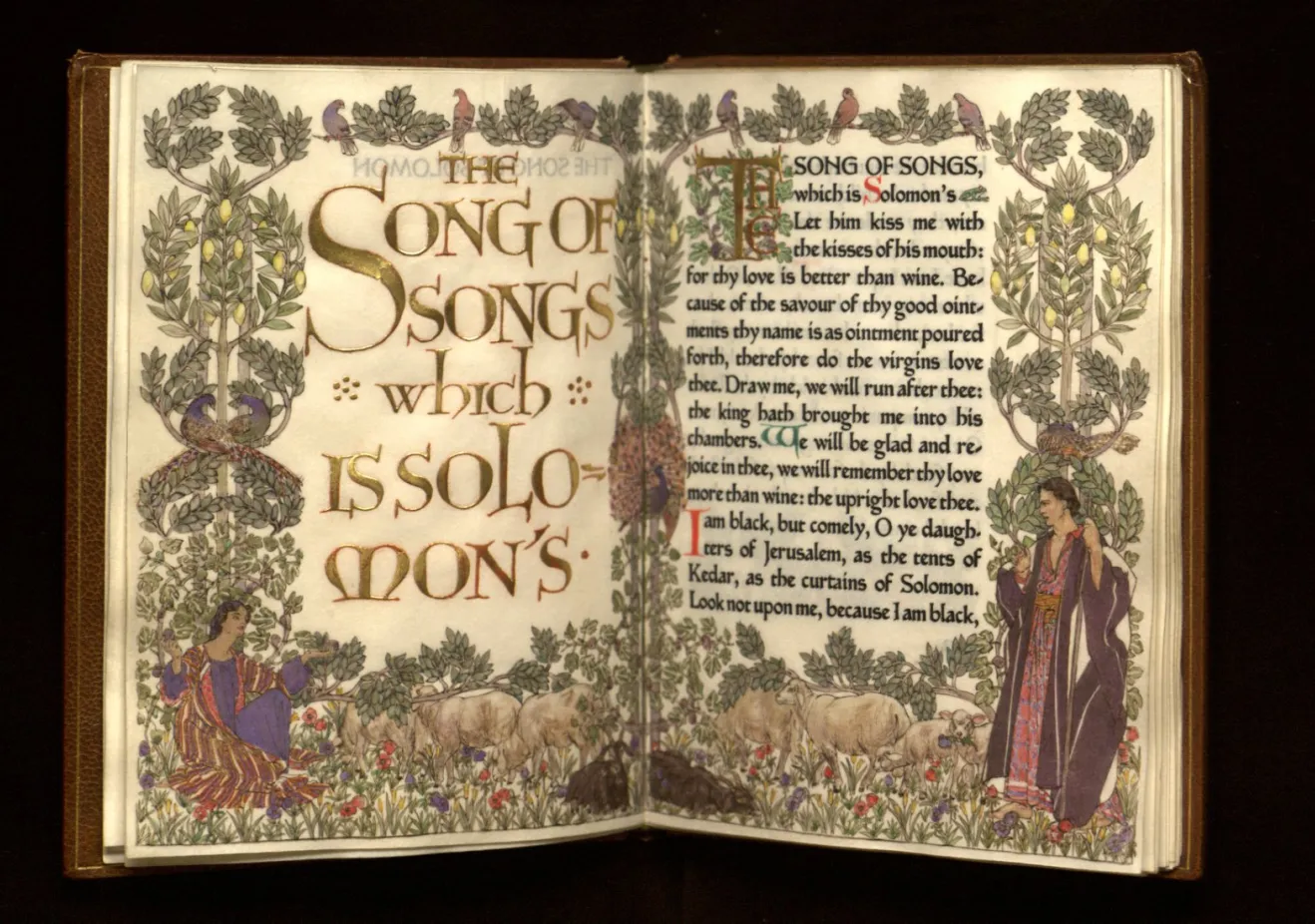
TriCollege Libraries Archives & Mansucripts
The TriCollege Libraries Archives & Mansucripts is a database of archival and manuscript collections physically available at Bryn Mawr College, Haverford College, and Swarthmore College.
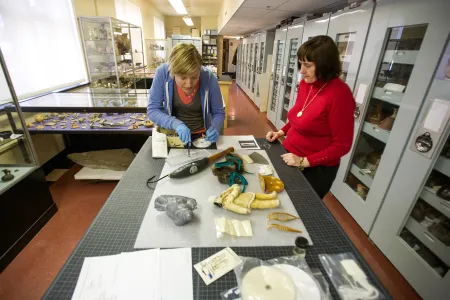
NAGPRA Work and Repatriations
Bryn Mawr College is located within Lenapehoking, the traditional, ancestral land of the Lenape people, who have been caretakers of this area since time immemorial. Bryn Mawr College is committed to fulfilling its obligations under The Native American Graves Protection and Repatriation Act (NAGPRA).
Statement on MOVE Bombing Human Remains
As members of Bryn Mawr College’s Department of Anthropology, we join our colleagues in the Bi-Co and around the nation in condemning the unethical keeping and use of remains of the MOVE family children, believed to be Katricia Tree Dotson Africa and Delisha Orr Africa, murdered in the 1985 bombing of the MOVE organization in West Philadelphia. We recognize and condemn the patterns of structural and racialized inequality and institutional and governmental negligence that have enabled this to happen. The fact that Tree’s and Delisha’s remains were held by two university departments for so long without being returned to the family represents an atrocious violation of human rights and ethical principles, which stress that human remains must be treated with dignity and repatriated or returned according to the wishes of those closest to the deceased whenever possible. This is also a violation of the professional code of ethics for both the American Anthropological Association and the American Association of Physical Anthropologists.
We support the steps being made to address the demands of the MOVE family, including the return of Tree’s and Delisha’s remains, the apologies by the institutions directly involved, and the removal of the Coursera online course in which Tree’s and Delisha’s remains were displayed. We fully support the call for thorough and transparent investigations by UPenn and Princeton, which should be undertaken in agreement with the demands of the MOVE family, into how these remains were obtained and used over the years. We also call for a complete and transparent investigation into the role of the medicolegal establishment of the City of Philadelphia in this egregious violation of regulations and ethical standards in death investigations. We support the call for reparations to be paid to the MOVE family by these institutions.
Anthropology, like many other disciplines, has roots in colonial, racist, and extractive structures of power/knowledge. We must acknowledge our complicity in the structures that continue to perpetuate racism. We strive daily to do better, especially with respect to those most often excluded from consideration and representation, and to promote social justice and identify and dismantle racist institutional structures. As teachers and scholars, we are continuously reflecting on our roles in perpetuating the systems of power around us, and working to develop more just and equitable approaches in our study of human experience. We follow ethical best practices across all the subfields of anthropology, in our fieldwork, research, and teaching. To the best of our knowledge, the remains of the MOVE children were never present on our campus or used in anthropology courses at Bryn Mawr. We are committed to maintaining ethical procedures and practices in working with human remains, material culture, and the communities with whom we work.
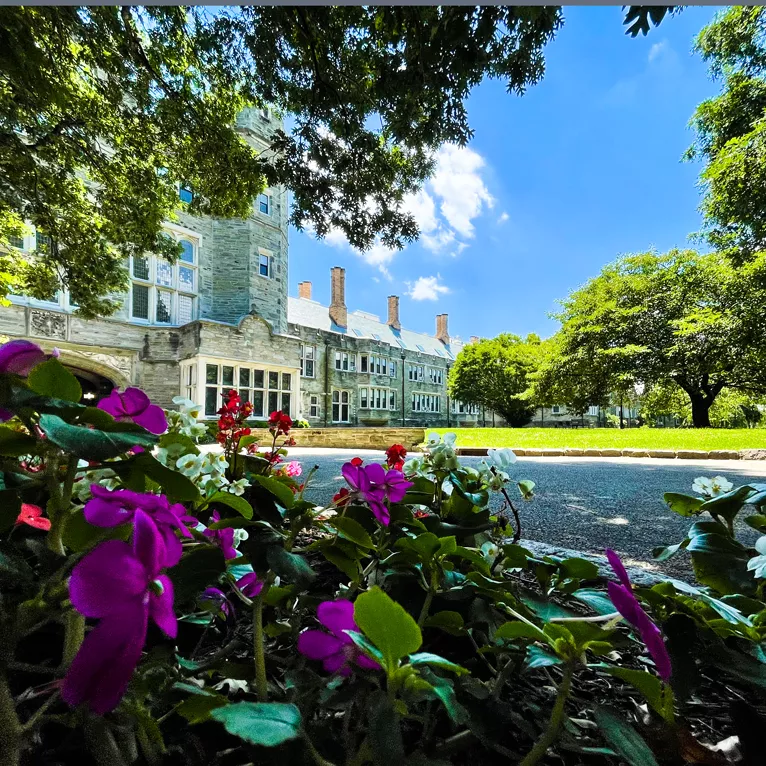
Contact Us
Department of Anthropology
Dalton Hall
Bryn Mawr College
101 N. Merion Avenue
Bryn Mawr, PA 19010
Phone: 610-526-5030
Fax: 610-526-5655