
"Shaping the United States: Italian Contributions and the Philadelphia Legacy" Lecture Series
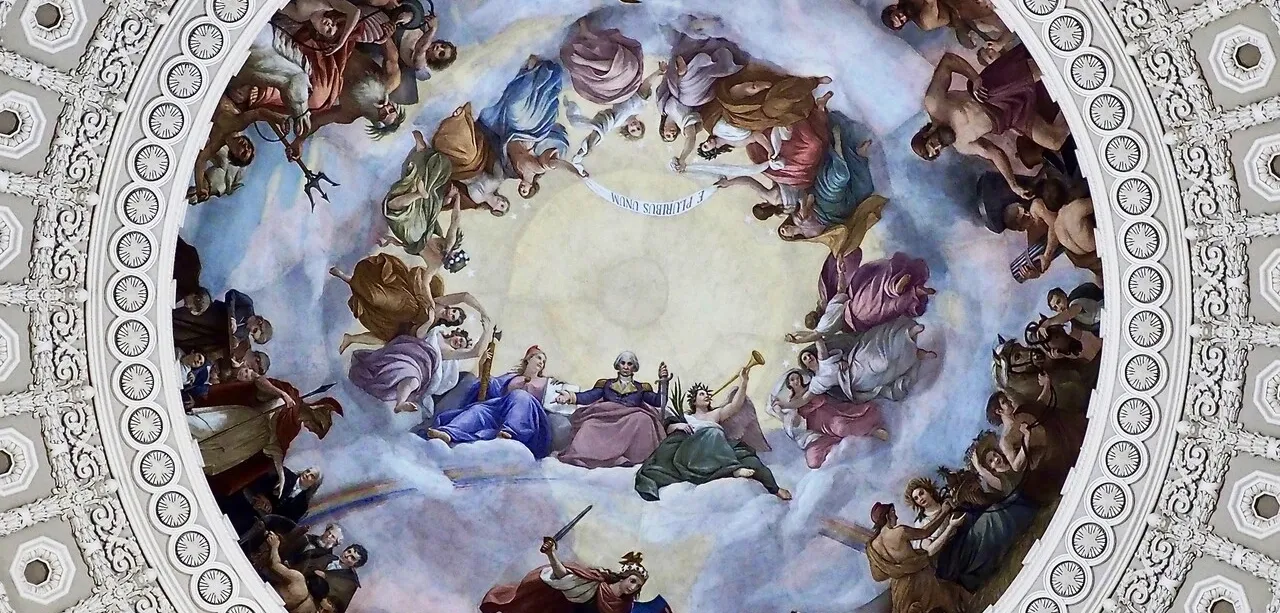
Image at the top of page: “The Apotheosis of Washington” by Constantino Brumidi, photo from Wikimedia Commons distributed under the Creative Commons Attribution-Share Alike 4.0 International license.
Shaping the United States: Italian Contributions and the Philadelphia Legacy
On the occasion of the 250th anniversary of the United States in 2026, the Department of Transnational Italian Studies at Bryn Mawr College has established a collaboration with the Consulate General of Italy in Philadelphia, the America-Italy Society, and Pi-Philly, to organize a series of lectures, symposia, and events at different prestigious venues in Philadelphia. The aim is to celebrate the Italian contributions to the Declaration of the Independence and to highlight the rich cultural exchanges that existed between Italy and the United States across its first two and a half centuries. Under the patronage of the Embassy of Italy in Washington, D.C., this initiative received the prestigious sponsorship of “America 250”, the nonprofit organization created at the federal level to promote the national celebrations of the United States Semicinquentennial.
All the events are free and open to everyone, with required RSVP through Eventbrite. Please contact Professor Luca Zipoli (lzipoli@brynmawr.edu) for more information.
Calendar of Events
Thursday, March 12, 2026, 5 p.m. to 6:30 p.m.
Museum of the American Revolution (101 South 3rd Street)
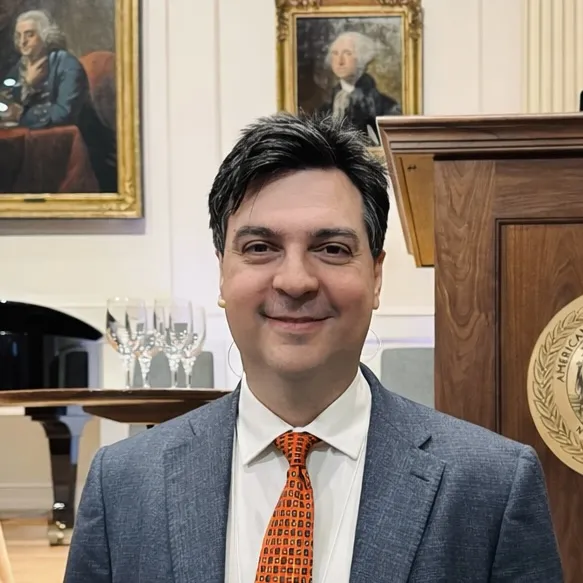
“Happiness as the Supreme Law: Gaetano Filangieri and the Declaration of Independence at the 250 – Year Mark”
Prof. Amedeo Arena (Università di Napoli “Federico II”)
Wednesday, March 18, 2026, 5:30 p.m. to 7 p.m.
Free Library, Parkway Central Library (1901 Vine Street)
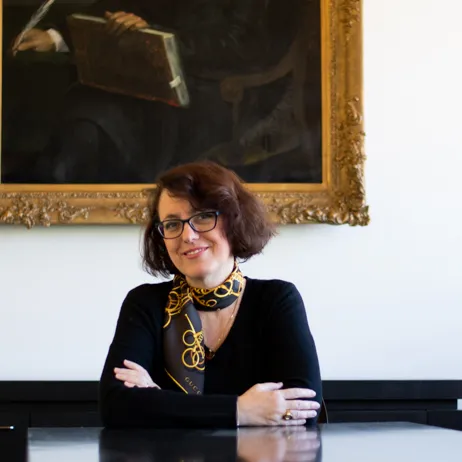
“250 Years of USA – Italy Cultural Relations: Philip Mazzei and Other Key Figures” Prof. Barbara Faedda (Italian Academy, Columbia University)
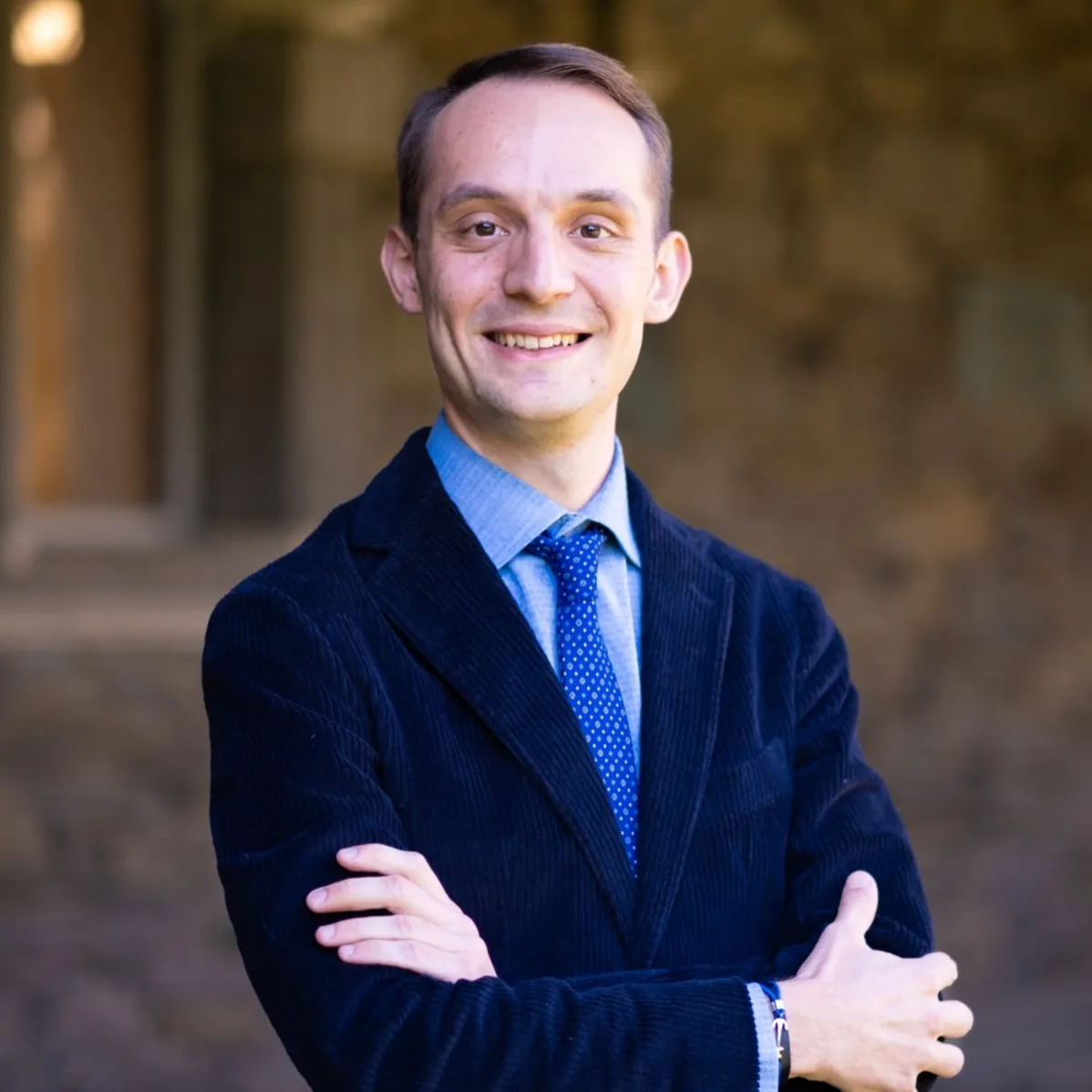
Friday, March 27, 2026, 5:30 p.m to 7 p.m.
Masonic Temple, Renaissance Room (One North Broad Street)
“Arts across the Atlantic: The Italian Legacy in Philadelphia” Prof. Luca Zipoli (Bryn Mawr College) Read more

Saturday, April 11, 2026, 11 a.m. to 12:30 p.m.
The Athenaeum of Philadelphia (219 South 6th Street)
“How Cesare Beccaria and the Italian Enlightenment Shaped America’s Founders and Early American Law” Prof. John Bessler (University of Baltimore)
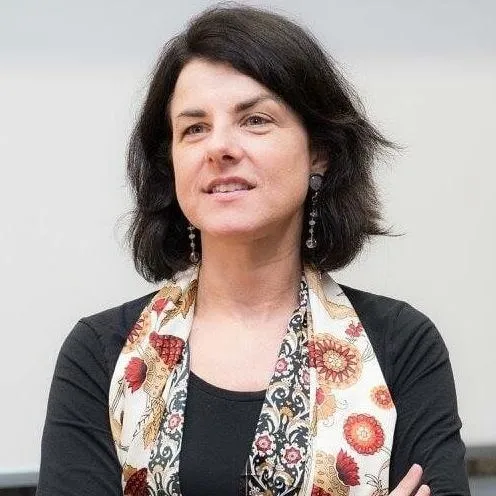
Thursday, April 16, 2026, 6 p.m. to 7:30 p.m.
Consulate General of Italy in Philadelphia (1818 Market Street)
“80 Years of Fulbright: Continuing the Transatlantic Dialogue between Italy and the US” Paola Sartorio (US-Italy Fulbright)
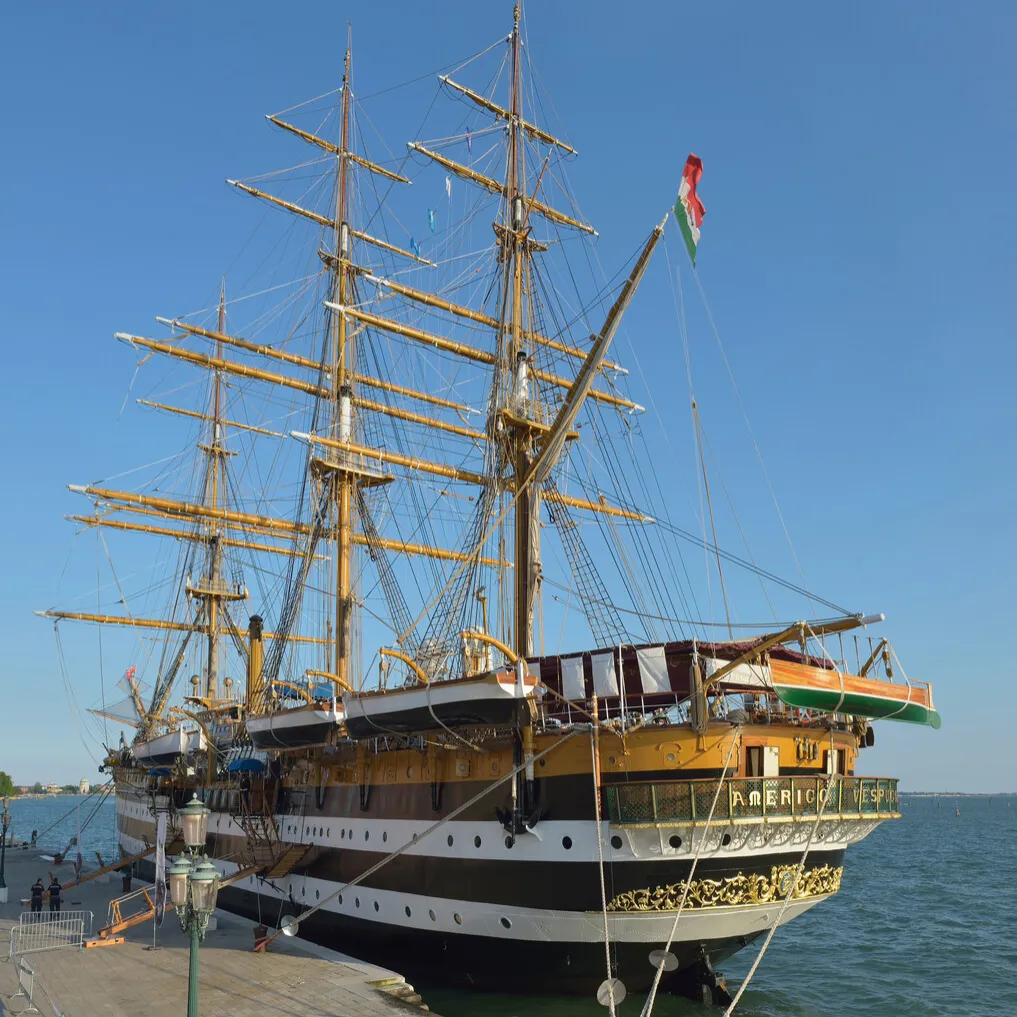
Sunday, June 28, 2026, 7 p.m. to 8:30 p.m.
Baltimore, MD, in front of the Italian historic training ship “Amerigo Vespucci” on its North-American sail trip
“From Vespucci to America 250: A Musical Journey” Cristiana Pegoraro, Pianist
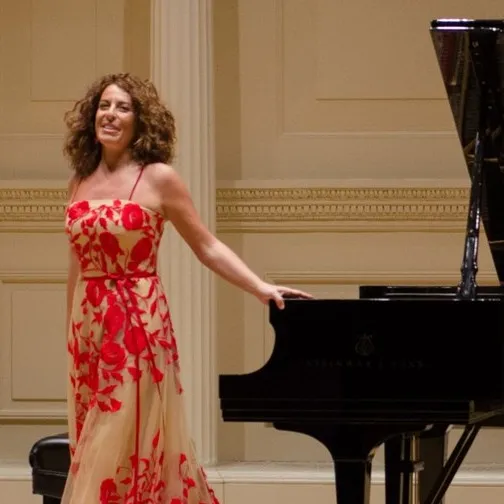
Thursday, July 2, 2026, 5:30 p.m. to 9 p.m.
Union League (140 South Broad Street)
“An Italian Tribute to the United States” Cristiana Pegoraro, Pianist
Abstracts and bios
On the 250th anniversary of the Declaration of Independence, revisit the transatlantic Exchange between America and Italy around liberty, equality, and the “pursuit of happiness.” At the center stands the Neapolitan thinker Gaetano Filangieri, whose Science of Legislation and correspondence with Benjamin Franklin argue that happiness must guide law and reform. A powerful reminder that happiness is not a slogan, but a civic responsibility sustained through just institutions. In the early days of the United States of America-at a time when the Italian peninsula had yet to become a unified nation-the two countries enjoyed rich and lively intellectual connections. The Founders deeply engaged with Italian history and thought – Washington studied Roman military history, Adams admired Machiavelli, Jefferson drew from Palladio and had a longtime friendship with Mazzei, and Franklin corresponded with Italian scholars and scientists. It is a fascinating history, one that deserves to be more widely known and celebrated.
Amedeo Arena is Full Professor of European Union Law at the University of Naples “Federico II” and Senior Fellow at the Institute of European Studies at UC Berkeley. Scientific Coordinator of the Filangieri Academy of Partenope, his research explores the transatlantic circulation of Enlightenment ideas, especially the correspondence between Gaetano Filangieri and Benjamin Franklin. He has edited leading volumes on Filangieri published in 2024 and 2025.
In the early days of the United States of America—at a time when the Italian peninsula had yet to become a unified nation—the two countries enjoyed rich and lively intellectual connections. The Founders deeply engaged with Italian history and thought — Washington studied Roman military history, Adams admired Machiavelli, Jefferson drew from Palladio and had a longtime friendship with Mazzei, and Franklin corresponded with Italian scholars and scientists. It is a fascinating history, one that deserves to be more widely known and celebrated.
Barbara Faedda serves at Columbia University as the executive director of the Italian Academy for Advanced Studies and as an adjunct professor in the Italian Department. Since 2019, she is Ambassador and Permanent Observer for the European Public Law Organization to the United Nations. In 2022, the President of the Italian Republic appointed her Commander of the Order of Merit of the Italian Republic. Her books include From Da Ponte to the Casa Italiana: A Brief History of Italian
Studies at Columbia University (Columbia University Press, 2017), and Elite: Cultura italiana e statunitense tra Settecento e Novecento (Ronzani, 2020).
The talk investigates the impact and legacy that Italian arts and architecture exerted on Philadelphia’s landscapes from the 18th-century to nowadays, making it become the cosmopolitan urban environment that it is today. Throughout the centuries Philadelphians traveled to the peninsula bringing back objects to display or studied the country’s art and architecture styles to shape the evolving aspect of the city. By analyzing some lesser-known sites, monuments, and artworks in Philadelphia, the talk highlights also the role that migrant Italian artists played in the development of the city, showing how places, arts, identities that today are perceived as ‘American’ have in most cases a transnational history to tell.
Luca Zipoli is Assistant Professor in the Department of Transnational Italian Studies at Bryn Mawr College. He holds a Ph.D. in Italian literature from the Scuola Normale Superiore in Pisa and has been a Fellow of the Italian Academy at Columbia University. His scholarly interests and publications span a broad variety of topics, from Renaissance Culture to Modern Italian Literature, including the co-edited 2 volumes Lettura del «Morgante» (Olschki, 2026) and numerous essays in peer-reviewed journals (Annali della Scuola Normale Superiore, Giornale Storico della Letteratura Italiana, Italian Culture, Italianistica, Nemla Italian Studies, Parole rubate).
The Italian Enlightenment – and, in particular, the writings of an Italian thinker, Cesare Beccaria – had a major influence on the American Revolution. Beccaria’s book, Dei delitti e delle pene (1764), quickly translated into French and then into English as An Essay on Crimes and Punishments (1767), shaped the views of countless American revolutionaries and lawmakers on topics ranging from liberty and tyranny to capital punishment and torture. America's foundational legal documents-the Declaration of
Independence, the U.S. Constitution, and the U.S. Bill of Rights-were all shaped by Beccaria’s ideas, and those ideas continue to shape modern-day debate over abuses of power and the criminal justice system.
John Bessler is Professor of law at the University of Baltimore and an adjunct professor at the Georgetown University Law Center. He has published extensively on the topic of capital punishment and on the foundations and origins of American law. One of his books, The Celebrated Marquis: An Italian Noble and the Making of the Modern World (Carolina Academic Press, 2018), is an award-winning biography of the 18th-century Italian philosopher Cesare Beccaria. The relationship between Beccaria, the Enlightenment, and criminal justice issues is also at the center of his books The Baron and the Marquis: Liberty, Tyranny, and the Enlightenment Maxim That Can Remake American Criminal Justice (Carolina Academic Press, 2019), and The Birth of American Law: An Italian Philosopher and the American Revolution (Carolina Academic Press, 2014), the latter being the recipient of the prestigious 2015 Scribes Book Award. He has taught at multiple law schools, including the University of Minnesota Law School and the George Washington University law School. In 2024, he was elected as a member of the American Law Institute.
This concluding lecture briefly reflects on Italian contributions to the intellectual and cultural foundations of the United States, from Enlightenment thought to the shaping of Philadelphia’s urban identity. The evening will then center on the enduring impact of academic exchange, featuring the Executive Director of the Italian Fulbright Commission alongside Fulbright scholars who will share their personal and professional experiences. Celebrating the 80th anniversary of the Fulbright Program, the event highlights its vital role in fostering dialogue, international collaboration, and mutual understanding between the United States and Italy.
Paola Sartorio has been since March 2013 the Executive Director of the US-Italy Fulbright Commission, the bilateral governmental organization that promotes academic exchanges between Italy and the U.S. In AY 2023-24, she was a visiting fellow at the School of Diplomacy of Seton Hall University, and she has more than 25 years of experience in international relations, resource mobilization, and academic cooperation. Under her leadership, the Commission grew public-private partnerships and launched innovative programs. Her previous experience includes being part of the team that lead the second wave of reform of the United Nations of the office of the Secretary-General. Born in Milan and raised in Palermo and Geneva, Switzerland, Ms. Sartorio holds a laurea cum laude in Political Science and International Relations from the University of Rome, La Sapienza. She also attended the London School of Economics (LSE) and the Italian Association for International Organizations (SIOI). In addition to her native Italian, she is fluent in English and Spanish and also speaks French and German.
Support Italian at Bryn Mawr
Contact Us
Transnational Italian Studies Department
Old Library 103
Bryn Mawr College
101 N. Merion Avenue
Bryn Mawr, PA 19010-2899
Phone: 610-526-5198
Fax: 610-526-7479
Roberta Ricci, Chair
Phone: 610-526-5048
rricci@brynmawr.edu
Sarah Beaird, Academic Administrative Assistant
Phone: 610-526-5198
sbeaird@brynmawr.edu