

Apply
Take the Next Step
Applications for the Spring 2027 clusters will be available after Fall Break, and will be due November 4th, 2026 at NOON.
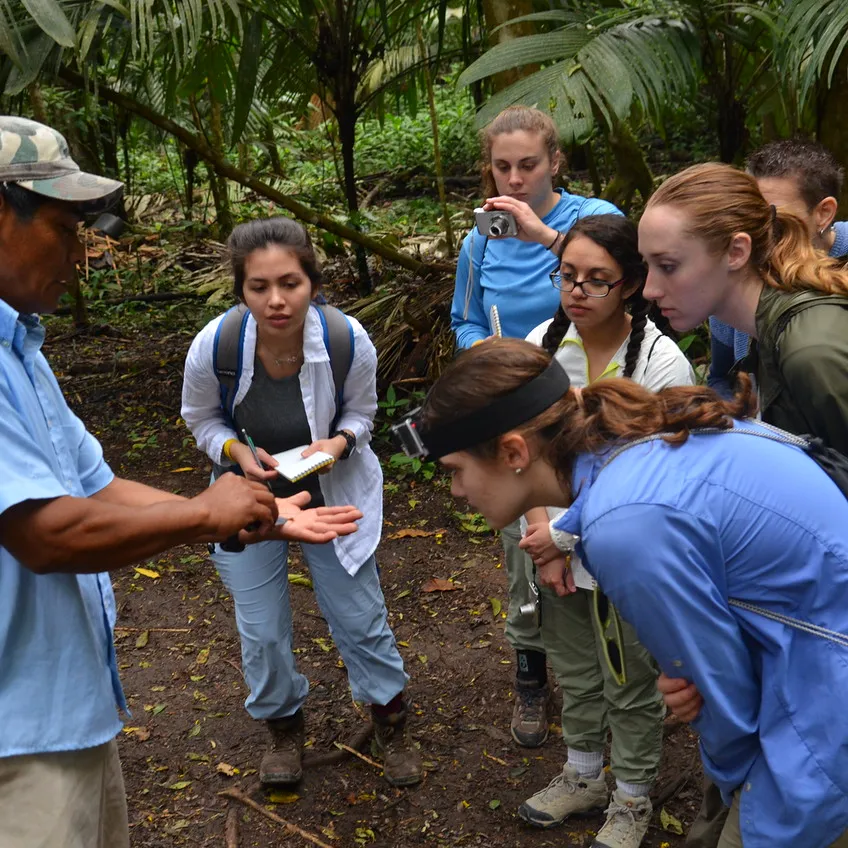
Coasts in Transition - Spring 2027
Courses: BIOL 323, GEOL 350, INDT 460
360 Course Units: 2.5 units
Field Component: One week-long field excursion (tentatively scheduled March 5-13, 2027), to Belize, and one day trip to a research station along the US Mid-Atlantic coast
Prerequisites: BIOL 220: Ecology AND 1 full-semester Geology course
Approaches Met: None
Open/Closed: all courses available to 360 students only
Coastlines, by definition transitional environments, are naturally dynamic and resilient. But climate change, sea level rise and shifting species distributions are now causing rapid physical and ecological changes to the world’s coasts. Anticipating and addressing these changes requires understanding the physical, chemical and biological processes that interact at the land-sea boundary. Two trips over the course of the semester will investigate the temperate and tropical coastal environments, including barrier islands, saltmarshes, coral reefs, and mangroves.
Info Session: Wednesday, October 21st in Park 300 (4:15-5:15 pm)
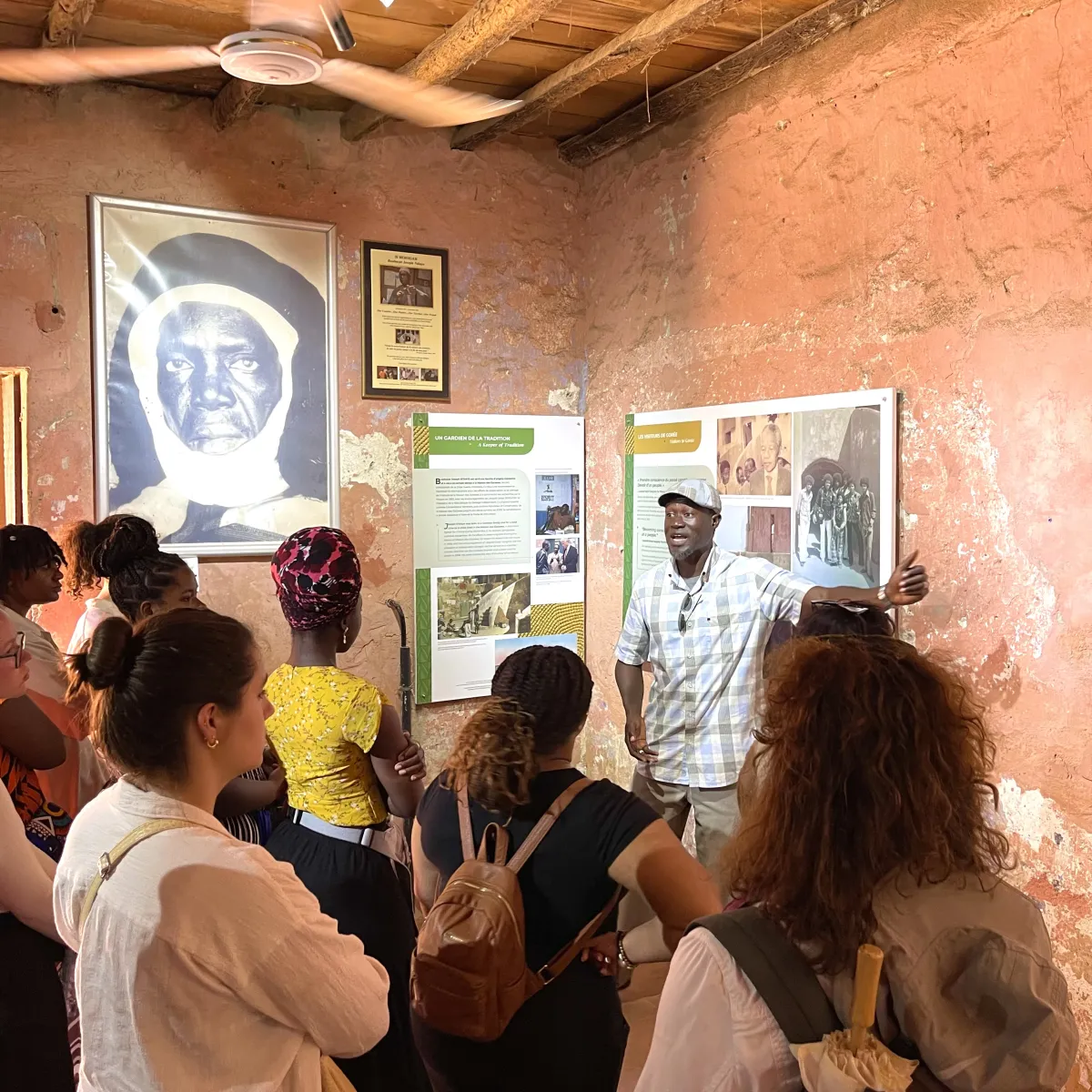
Healing Traditions in Africa - Spring 2027
Courses: ENVS H328, HIST B237, FREN B211, INDT B460
360 Course Units: 3.5 units
Field Component: 9-day field study in Dakar and Ziguinchor, Senegal (tentatively scheduled February 27 - March 8, 2027)
Prerequisites: None. No experience in French language or culture is required as all texts will be taught in translation.
Approaches Met: CC/CI, IP, PIJ
Open/Closed: HIST 237 open to non-360 students, FREN 211 and ENVS 328 open to 360 students only
Info Session: Tuesday, October 27th in Taylor E (4:15-5:15 pm)

Frequently Asked Questions
This half-unit Credit/No Credit course is the home for synthesizing conversations, bringing together the perspectives of individual courses/disciplines in the cluster, and driving towards the central theme of the 360. The course also provides a common scheduled time for speakers, field trips, logistical meetings, and other cluster business. The course is attended by all faculty and students participating in the cluster.
In December, descriptions of 360°s we anticipate offering in the following academic year are posted to the 360° Upcoming Courses webpage. Any prerequisites for courses are indicated there.
In the month prior to preregistration (October and March), info sessions are hosted by the Program for students interested in the 360°s being offered the following semester. Faculty highlight any enrollment criteria, such as preference given to majors, concentrators, seniors, etc.
Following the info session, applications are made available to students via class listservs, the Tri-Co Course guide, Instagram, and the website.
Students must complete the application by noon on the Wednesday before preregistration, and are notified of their status by the Monday of preregistration at noon.
If accepted, students must confirm their intention to participate no later than the Wednesday of preregistration at noon. Accepted students who do not respond are contacted (by email and phone), and given until Wednesday, 5 p.m. to respond. Faculty then consider waitlisted students.
If waitlisted, students must confirm their interest in remaining on the wait list by no later than the Tuesday of preregistration, noon. Waitlisted students are notified as soon as a space becomes available, but no later than the end of the first week of classes in the semester the 360° is being offered. Students are selected from the waitlist at faculty discretion.
The registrar enrolls Bryn Mawr students in all 360° courses following faculty decisions and student acceptances. Haverford and Swarthmore students will confer with their home registrars to confirm their preregistration.
Applications are open to Tri-Co students during pre-registration for the upcoming semester. Students may not participate in a 360 during their first semester at Bryn Mawr. Selection criteria vary depending on the demands of the cluster, but successful applicants will demonstrate deep interest in the theme of the 360, and a willingness to engage in interdisciplinary exploration. For more information, see Application Procedures.
It depends on the interest among students and the content of the cluster. Each 360° cohort usually has 15 students. Faculty set criteria to evaluate applications based on the requirements of the 360°. The application process runs through the first week of preregistration, in case students need to make alternate plans before the end of preregistration (see Application Procedures for more details).
All 360°s include some kind of non-traditional classroom experience, which can take many forms, including international travel, domestic travel, Praxis placement, intensive lab experience, project work, and shadowing experts in the field.
Individual 360° courses often fulfill one or more College requirements, and many count towards major requirements in their respective departments. Before applying, you should consult your dean and/or major advisor.
Yes. Each cluster is made up of 2-3 courses plus the half-unit Synthesis course, and students typically take 1-2 non-360° courses in addition to their 360° classes (a full-time student at Bryn Mawr usually takes 4 classes each semester). Special permission is required to enroll in more than 4.5 units in a semester (please see your Dean for further information).
360° clusters are a great way to explore new topics, subjects, and skills. Each 360° is designed to bring a variety of specialties together to explore a central theme from many perspectives, and we encourage students to try out different fields of study. Some courses in 360° clusters do have pre-requisites, but faculty are often able to work with students to find ways to meet those requirements (even if you haven't completed the exact pre-requirement course).
We don't want money to be a barrier for students who are interested. There is no additional tuition fee to participate in a cluster. The 360° Program covers the cost of visas, transportation, food, and lodging during program trips, as well as fees associated with program elements (museum admission, etc.). Students are responsible for passport fees, if the field experience requires one. If students encounter unanticipated costs as part of their 360° experience, they are encouraged to be in contact with the Program coordinator for additional resources.
Bryn Mawr welcomes students with disabilities to all aspects of College life. If you are a student with a diagnosed learning, physical, or psychological disability who may need to request academic or facilities accommodations to participate in program activities, early planning is essential. Some programs include a significant amount of physical activity. For locations abroad in particular, attitudes towards disabilities, the terrain, housing options, and the availability of accommodations vary. Please contact Access Services (610-526-7351 or accessservices@brynmawr.edu) right away to discuss your needs and start gathering information. Early planning and flexibility can help to ensure a positive experience.
Learn more on our Travel Resources page.